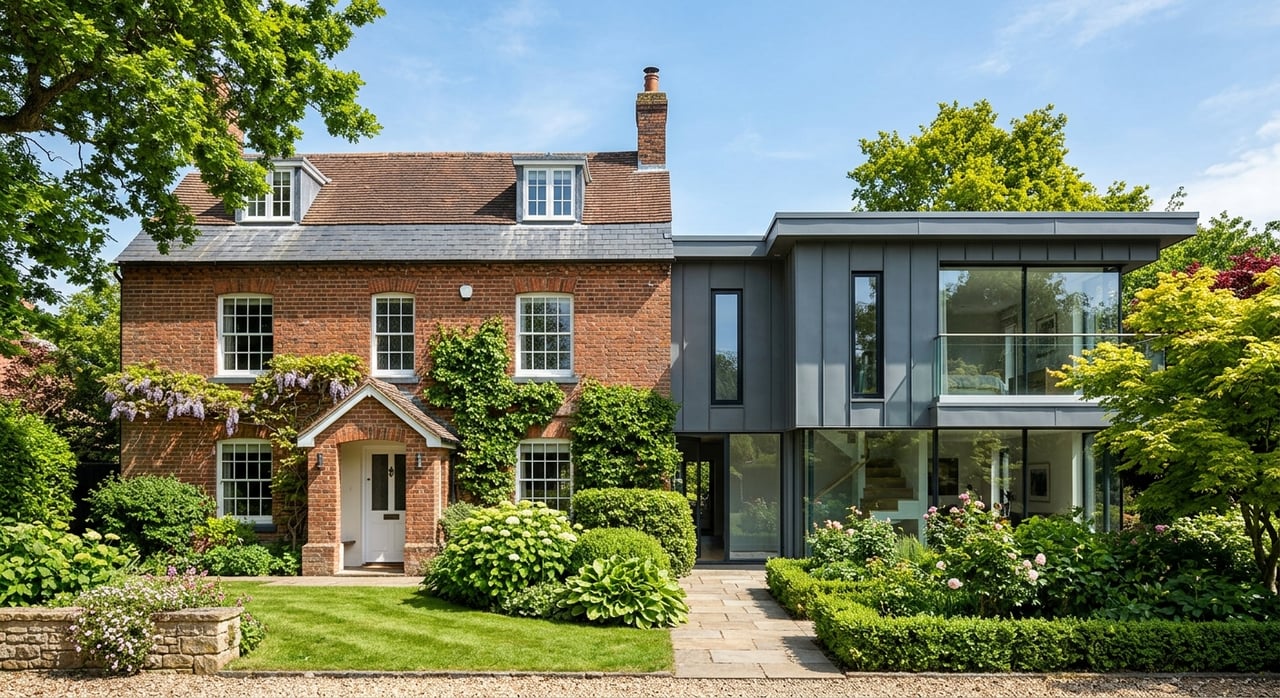
Wondering whether Chapel Hill feels more like your place in a historic in-town neighborhood or a newer planned community? It is a smart question, because in Chapel Hill, that choice shapes how you live day to day, from walkability and transit access to renovation rules and parking. If you are weighing character against convenience, or proximity against newer amenities, this guide will help you sort through the tradeoffs with more confidence. Let’s dive in.
How Chapel Hill Balances Old and New
Chapel Hill has grown with intention. Town planning protects older neighborhoods near downtown and UNC while also encouraging more housing types, mixed-use areas, greenways, and stronger transit and pedestrian connections.
That means your neighborhood choice is not simply about the age of the house. It is also about the kind of setting you want, how much structure you are comfortable with, and what daily routines matter most to you.
What Historic Means in Chapel Hill
In Chapel Hill, “historic” has a specific local meaning. The Town has three local historic districts: Franklin-Rosemary, Cameron-McCauley, and Gimghoul. It also has five National Register historic districts.
That distinction matters. If a home is in a local historic district, exterior changes generally require a Certificate of Appropriateness. If a property is only in a National Register district, that designation alone does not trigger the same local review.
Local rules shape the experience
The Town also uses Neighborhood Conservation Districts to protect older areas that help define Chapel Hill’s identity. These rules can address features like lot layouts, setbacks, street patterns, alleys, and sidewalks.
They can also affect new construction and additions. Standards may apply to height, parking, roof pitch, driveways, sidewalks, and landscaping, which means buyers should understand not just the home itself, but the overlay rules that come with it.
Older neighborhoods near the core
Many of Chapel Hill’s historic areas cluster near the UNC and downtown core, including places tied to Franklin Street and Cameron Avenue. Northside is another notable older in-town neighborhood. The Town describes it as a 188-acre area near UNC and downtown and notes its long history as Chapel Hill’s largest African American community.
For buyers, these older neighborhoods often offer a strong sense of place and a close connection to the heart of town. They also come with a more established street pattern and a different set of practical considerations than newer neighborhoods farther out.
Why Buyers Choose Older In-Town Neighborhoods
If you want to be closely connected to UNC, downtown, and daily destinations, older in-town neighborhoods often have a clear advantage. Chapel Hill Transit serves Chapel Hill, Carrboro, and UNC through a fare-free system with 21 routes and more than 7 million rides per year.
That transit access can make everyday life simpler, especially if you prefer to drive less. UNC also notes that campus routes circulate on weekdays every 10 to 15 minutes, which adds another layer of convenience near the university.
Walkability and access
In many older neighborhoods, the appeal starts with location. You may be closer to downtown destinations, campus activity, and connected transit options.
For some buyers, that kind of access is worth a great deal. It can support a more walkable routine and reduce the need to plan every errand around a car.
Character and long-term identity
Historic districts and conservation districts are designed to preserve distinctive neighborhood features. Chapel Hill’s ordinances state that these tools are meant to protect heritage and character while promoting the stabilization and enhancement of property values.
That does not guarantee future appreciation, but it does show how the Town views preserved character. In Chapel Hill, neighborhood identity is treated as part of the long-term value story.
Renovation and maintenance tradeoffs
Older homes often come with more nuance when it is time to improve or expand. In local historic districts, exterior changes and larger projects typically involve review, and owners may need guidance to make sure plans fit district standards.
Routine maintenance is generally allowed, but the process is still different from what you may find in a newer subdivision. If flexibility for exterior updates is high on your list, this is a key point to verify before you buy.
Parking matters more than you think
Parking can be one of the biggest practical tradeoffs in older Chapel Hill neighborhoods. The Town recognizes strong demand for on-street parking around UNC and nearby downtown neighborhoods and manages that pressure through residential parking districts and permits.
If you are considering an older in-town home, parking convenience should be part of your decision. It may affect your daily routine more than it would in a newer suburban-style setting.
Why Buyers Choose Newer Communities
Newer planned communities in Chapel Hill offer a different kind of lifestyle. In many cases, they combine housing variety, shared open space, and access to mixed-use amenities in a more structured setting.
This pattern aligns with Chapel Hill’s broader planning direction. The Town’s comprehensive plan supports mixed-use development, architectural diversity, greenways, and stronger bicycle, pedestrian, and transit connections in growth areas.
Meadowmont as an example
Meadowmont is one of Chapel Hill’s best-known newer planned communities. Its official community information describes it as a mixed-use neighborhood built in 1999 on 435 acres, with row houses, traditional homes, cottage homes, condos, apartments, and a retirement community.
It also includes walking trails, open community space, and Meadowmont Village’s stores and restaurants. For buyers who want neighborhood amenities built into the setting, that can be a compelling package.
Southern Village as another model
Southern Village reflects a similar but distinct approach. Its official site describes a location less than 2 miles from UNC, with restaurants, a coffee shop, a movie theater, a local market, and year-round events around Market Street.
The community also has a formal HOA structure and an Architectural Review Board. That is a useful reminder that newer planned neighborhoods often come with oversight designed to support a certain look, feel, or shared standard.
More variety and managed amenities
Chapel Hill’s newer housing policies allow a broader mix of housing types, including accessory apartments in all residential zoning districts and cottages beginning in R-1 zoning. The Town expects neighborhood change from these policies to be incremental.
For buyers, that can translate into more housing choice and a more planned environment. You may find open space, trail connections, and mixed-use convenience that feel different from the more organic pattern of older in-town neighborhoods.
Historic vs. Newer: What Fits You Best?
The right fit depends on what matters most to you. Chapel Hill offers both preserved in-town character and more amenity-driven planned communities, but they serve different priorities.
A simple framework can help narrow the decision.
Choose older or historic areas if you value:
- Close access to UNC and downtown
- Mature streetscapes and established neighborhood patterns
- Preserved character supported by local overlay rules
- A more walkable, transit-connected daily routine
- Scarcity and a strong sense of place
Choose newer communities if you value:
- Mixed-use amenities close to home
- Walking trails and shared open space
- A wider range of housing types
- HOA or design-review structure in some neighborhoods
- A more planned setting with modern neighborhood features
Resale Questions Worth Asking
In Chapel Hill, resale potential often ties back to two different value stories. Older areas may appeal because of scarcity, preserved character, and proximity to campus or downtown. Newer communities may appeal because of convenience, housing variety, and built-in amenities.
Just as important, Chapel Hill’s planning framework suggests that neighborhood change is expected to be incremental rather than abrupt. That can support buyer confidence, especially when you are thinking beyond the next few years.
Before you move forward on any property, verify these points carefully:
- Is the property in a local historic district?
- Is it in a Neighborhood Conservation District?
- Is it only in a National Register district?
- Will exterior changes require a Certificate of Appropriateness?
- Does an HOA or Architectural Review Board apply?
- How will parking work day to day?
- What transit options are nearby and realistic for your routine?
These questions carry unusual weight in Chapel Hill because the Town’s overlay system and transportation network are both highly active parts of the local housing experience.
A Chapel Hill Choice, Not a Right Answer
In the end, choosing between historic and newer Chapel Hill neighborhoods is less about which option is better and more about which one fits your life. Some buyers want the texture, location, and legacy of an older in-town street. Others want the ease, amenities, and housing variety of a newer planned community.
A thoughtful search starts by matching your priorities to how Chapel Hill is actually built and regulated. If you want local guidance on Chapel Hill neighborhoods, historic homes, new construction, or your next move in the Triangle, Hodge & Kittrell Sotheby’s International Realty is here to help.
FAQs
What is the difference between a local historic district and a National Register district in Chapel Hill?
- In Chapel Hill, homes in local historic districts generally need review for exterior changes, while National Register status alone does not trigger the same local review unless the property is also in a local historic district.
What should buyers know about parking in older Chapel Hill neighborhoods?
- The Town manages on-street parking demand near UNC and downtown through residential parking districts and permits, so parking convenience can be a more important factor in older in-town neighborhoods.
What are examples of newer planned communities in Chapel Hill?
- Meadowmont and Southern Village are two well-known examples, each offering a mix of housing, amenities, and a more planned neighborhood structure.
What should buyers verify before purchasing a historic home in Chapel Hill?
- Buyers should confirm whether the property is in a local historic district, a Neighborhood Conservation District, or a National Register district, and whether exterior changes will require a Certificate of Appropriateness.
How does Chapel Hill support transit in older in-town areas?
- Chapel Hill Transit is fare-free, serves Chapel Hill, Carrboro, and UNC on 21 routes, and gives many older in-town neighborhoods strong access to campus and downtown destinations.
Do newer Chapel Hill communities always have HOA oversight?
- Not every newer community is the same, but some planned neighborhoods, including Southern Village, have HOA or architectural review structures that buyers should review before purchasing.