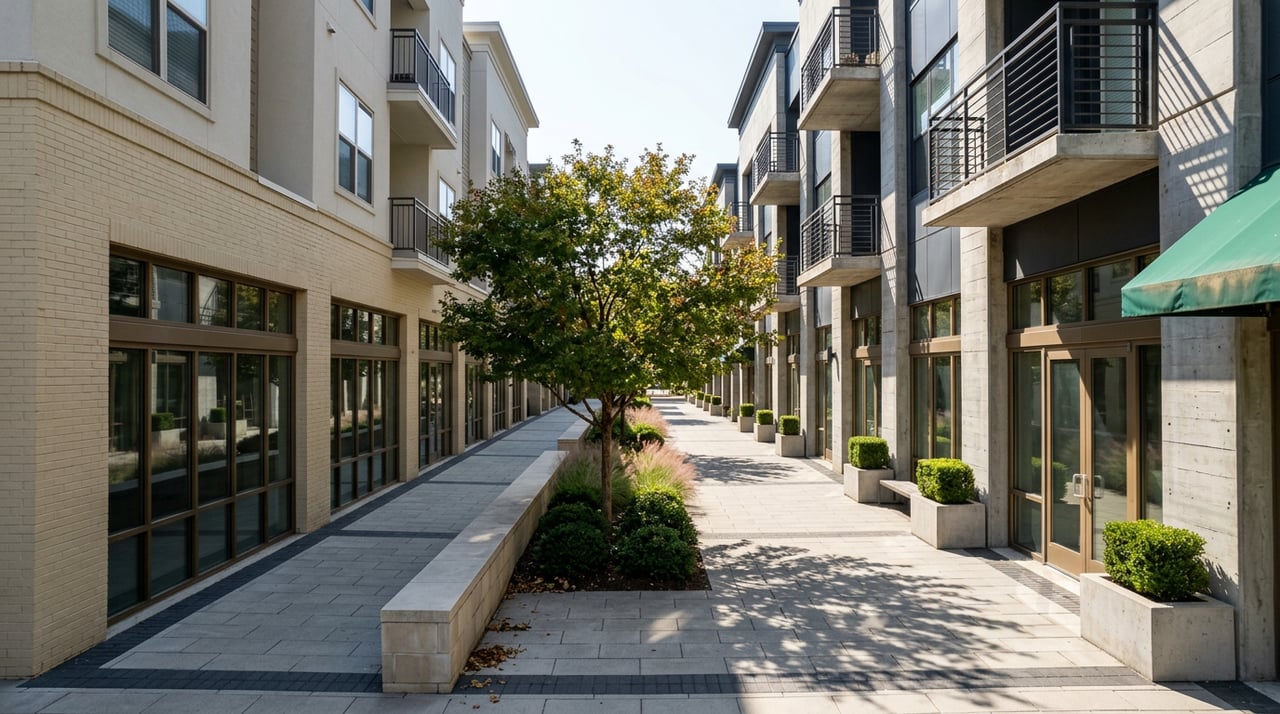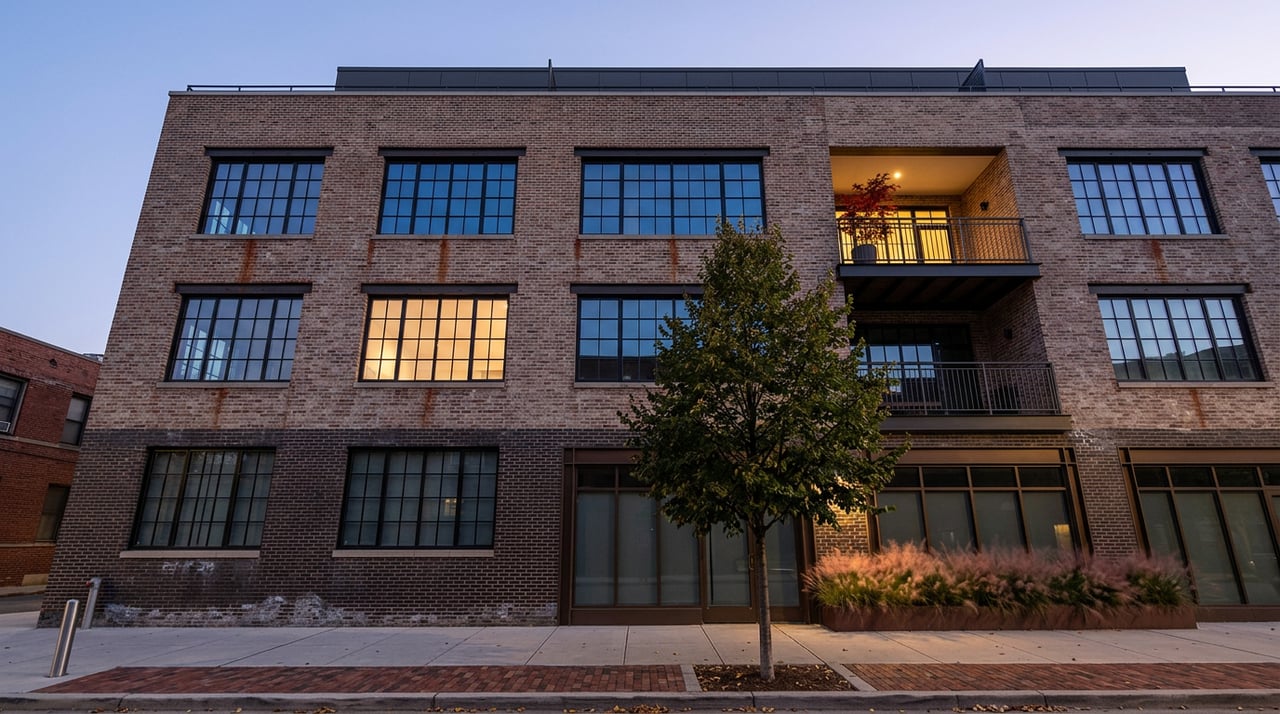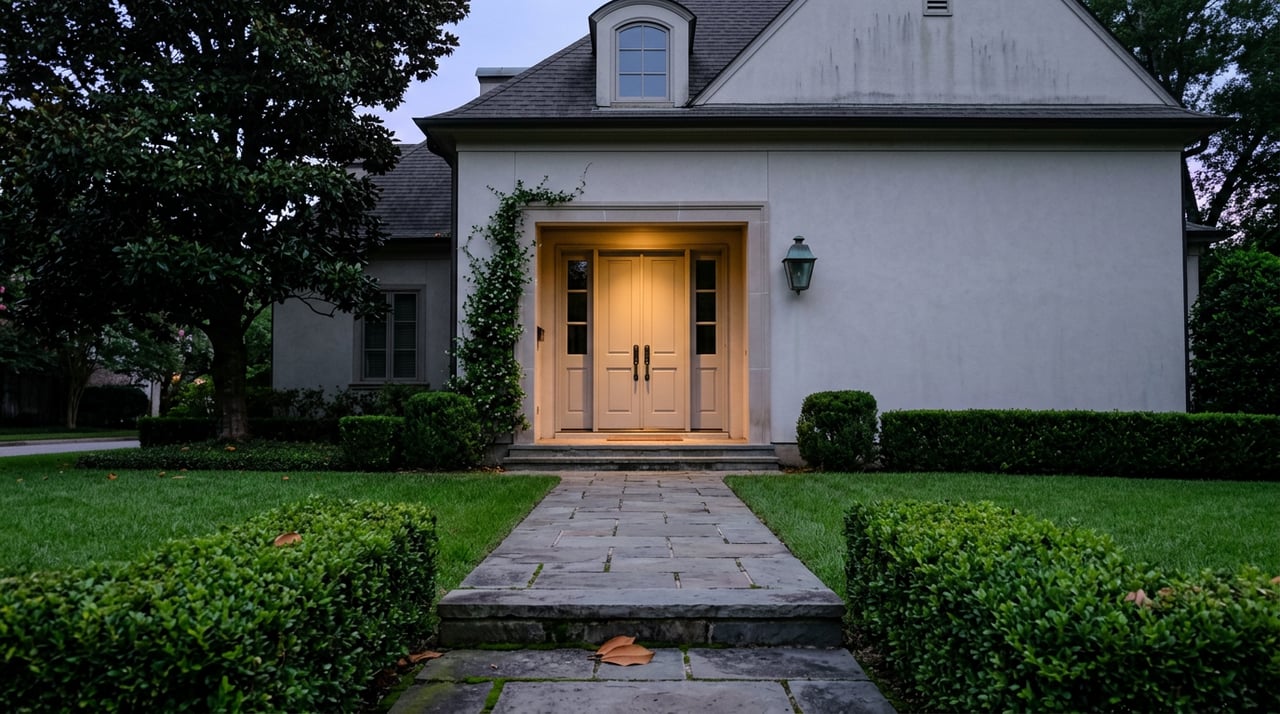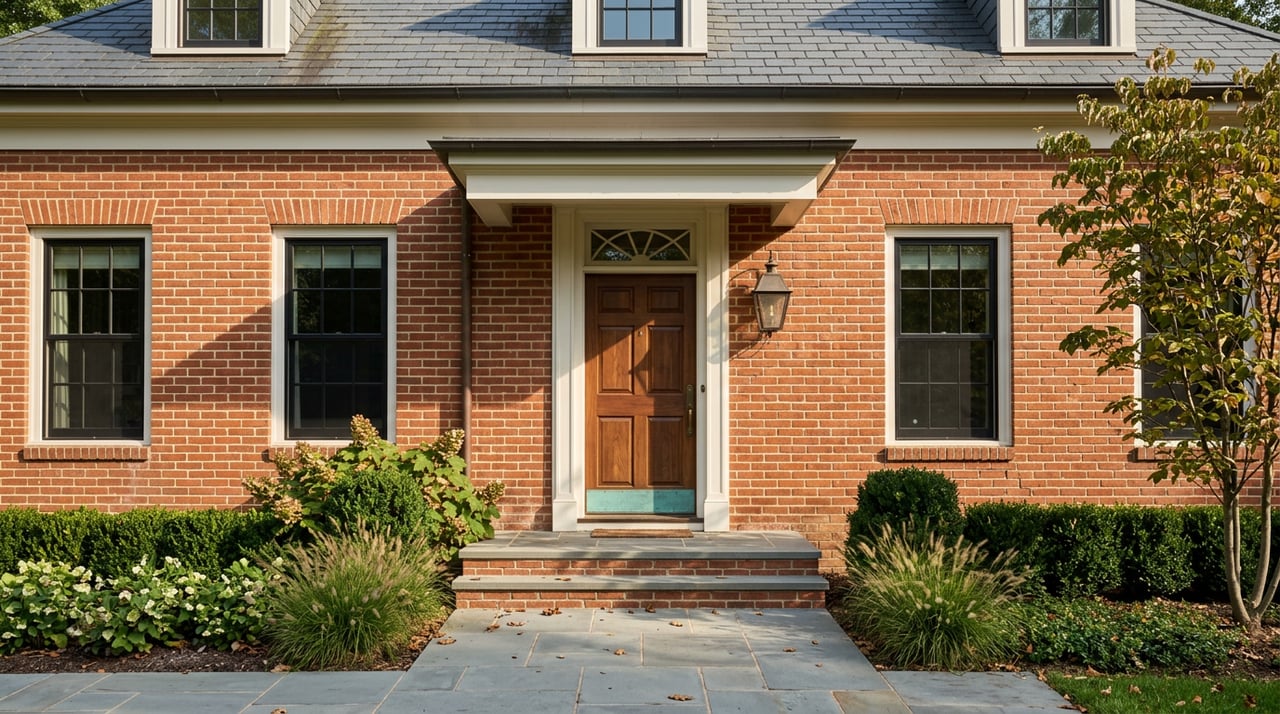
A gated golf community on Wake Forest's east side closed its most recent round of resale homes in about three and a half weeks. A few miles away, a walkable community built around a lake and a park, the kind of development that got held up as the model for how Triangle towns should grow, is taking more than four months to do the same thing. Both communities sit inside the same town limits. Both show up under the same townwide median price the moment a buyer searches for homes in Wake Forest. Neither number is wrong. The problem is that a townwide median was never built to tell you which of these two markets you are actually shopping in.
That gap, not any single price point, is the story in Wake Forest right now. If you are comparing this town to Cary or Apex based on a headline figure, you are skipping the part of the research that actually determines whether your offer competes in three weeks or sits for four months.
The Median Is Three Numbers Wearing One Number's Clothes
Ask three sources what a home in Wake Forest costs and you will get three different answers, and none of them are lying. For the three months ending May 2026, Redfin put the median sale price at $490,000, up 3.6 percent from the same period a year earlier, with homes going under contract in about 38 days. Realtor.com's March 2026 figures showed a median listing price of $525,000, a different measurement entirely since a list price is what a seller asks rather than what a buyer pays. Zillow's home value index, updated through May 31, 2026, placed the typical home value at $509,872, down 2.7 percent over the trailing year.
Three sources, three numbers, three different things being measured: a sold price, an asking price, and a value estimate. That part is normal. What is not normal, and what a buyer actually needs before writing an offer, is that inside the town these figures disguise a widening split in how fast homes move depending on which pocket of Wake Forest they sit in.
Where the Days on Market Actually Split
March 2026 data broken out by community tells a sharper story than the town average ever could.
| Community | Type | Days on Market | As Of |
|---|---|---|---|
| Hasentree | Gated golf, Tom Fazio-designed course | 25 days | March 2026 |
| Heritage | Established golf-course community | 26 days | March 2026 |
| Reynolds Mill | Established subdivision | 26 days | March 2026 |
| Northeast Wake Forest | Mixed established housing | 53 days | March 2026 |
| Traditions | Master-planned, active new construction | 92 days | February 2026 |
| Stonegate at St. Andrews | Established subdivision | 134 days | March 2026 |
| Holding Village | Walkable, lake and park amenities | 134 days | May 2026 |
Holding Village didn't drift slowly to that number. A year earlier it was averaging 49 days on market. By May 2026 that had stretched to 134 days, alongside a median sale price of $360,000, down 23.2 percent year over year. Traditions told a version of the same story: Redfin's February 2026 data showed homes there selling for a median of $360,000, down 32.7 percent from the year before.
Two of the walkable, amenity-driven communities that drew buyers hardest during the pandemic years are now among the slowest movers in Wake Forest, while its gated golf enclaves are outpacing the town average.
Why the Golf Course Wins and the Walkable Village Waits
The pattern isn't really about golf versus walkability, and it isn't about price bracket either. Holding Village's median sits close to entry-level pricing while Hasentree's homes typically run from the $800,000s past $2 million on an 800-acre footprint built out by Toll Brothers since 2007. The variable that actually predicts speed is whether a resale seller in that community is competing against a builder actively selling a near-identical new home nearby.
Wake County's Doorify MLS reported a median sales price of $478,500 across the county in May 2026, with active inventory up 5.4 percent year over year and homes selling in an average of 24 days at 99.1 percent of list price. That's a market with enough supply that builders have room to compete on more than sticker price, and through 2026 they've been doing it with rate buydowns, design credits, and closing cost concessions instead. Traditions and Holding Village both still have active new-construction phases from national builders selling floor plans close enough to the resale listing next door that an incentive-backed new build can simply win the buyer. A resale seller in either community isn't only competing with the house down the street. They're competing with a builder's finance office.
Hasentree tells the opposite story. Its gates enclose a golf course and clubhouse a production builder can't replicate on a nearby lot, so a resale buyer who wants that lifestyle has no incentive-backed new alternative sitting across the street. Heritage and Reynolds Mill, both established communities with little active new-construction competing inside their boundaries, carry the same advantage.
The Growth Behind the Slowdown
This isn't a temporary dip likely to resolve itself by next spring. Wake Forest's population reached an estimated 64,618 in 2026, growing 4.25 percent over the prior year, or roughly seven new residents a day, according to the Wake Forest Business and Industry Partnership's 2026 Community Profile. That same report points to the federally funded S-Line passenger rail project connecting Raleigh to Wake Forest as part of the infrastructure supporting that growth. The Wake Forest Board of Commissioners has identified more than $530 million in capital infrastructure needs to keep pace, covering the roads, water, and utility work the town has queued for the years ahead.
New downtown-adjacent supply keeps arriving to meet that growth. Stanley Martin is building Magnolia Trace condos along the North White Street corridor, and a separate Wegmans-anchored mixed-use project is bringing roughly 250,000 square feet of retail and townhome-style condos into the Grove 98 development. Every one of these projects adds walkable new-construction inventory that will keep competing directly with existing resale homes in communities like Holding Village for years, not months. If you're weighing a walkable resale home against a golf-community resale home in Wake Forest right now, the walkable side of that comparison is going to keep facing new competition the golf side simply won't see.
A Few Questions Worth Asking Before You Write an Offer
Does a faster days-on-market number always mean I'll pay full price? Not necessarily. Quick-moving communities like Hasentree and Heritage tend to leave less room to negotiate, but Wake County's 99.1 percent sale-to-list ratio as of May 2026 shows most well-priced homes across the town are landing close to asking regardless of neighborhood.
Should I rule out Holding Village or Traditions because they're slower right now? A longer timeline can work in a buyer's favor. Homes sitting 90 to 130-plus days on market in early to mid 2026 generally reflect more room to negotiate on price or closing costs, not a flaw in the home itself.
How do I compare a resale home to a new-construction option nearby? Ask what incentive the builder is currently offering on a comparable floor plan before you make an offer on the resale. If the builder is covering a rate buydown or design credits, that number should shape your resale offer as much as recent comparable sales do.
The Number That Actually Matters
Wake Forest's growth isn't slowing, and neither is the gap between how its different pockets are performing. A townwide median can tell you what the town is worth in general. It can't tell you what your offer needs to look like in Hasentree versus Holding Village versus Traditions. That distinction is where local guidance earns its keep.
If you're weighing a move within Wake Forest, or comparing it against another Triangle town, the team at Hodge & Kittrell Sotheby's International Realty can walk you through what each community's current pace actually means for your offer. Request Your Instant Home Valuation to see where your home, or your target neighborhood, stands in today's market.