If your home hits the market looking dated, cluttered, or hard to understand online, today’s buyers may scroll right past it. In Wake Forest, where growth has brought more buyers and more housing options, preparation matters because it helps your home feel move-in ready and easy to value. The good news is that getting ready to sell does not have to mean a full renovation. A focused plan can help you protect value, attract serious interest, and compete confidently. Let’s dive in.
Why prep matters in Wake Forest
Wake Forest continues to grow quickly, with the town’s population reaching 56,764 in July 2024, up 18.2% from 2020. At the same time, buyer activity remains solid, with recent market reports describing the area as active and seller-leaning, though not at the same peak intensity seen in earlier years.
That creates an important reality for sellers. You may still have an advantage, but buyers are selective. With a median owner-occupied home value of $474,500 in Wake Forest and ongoing residential development in the pipeline, your home is not just competing with resale listings. It may also be compared with newer homes and new-construction options.
In this kind of market, preparation is best viewed as value protection, not a massive remodel. Buyers want a home that looks cared for, photographs well, and feels easy to move into.
Focus on what buyers notice first
Today’s buyers often begin their search online and narrow their choices before they ever schedule a showing. National buyer data shows that 52% of buyers found the home they purchased on the internet, and the online features they found most useful were photos, detailed property information, floor plans, and virtual tours.
That means your home needs to make a strong first impression twice. First in digital marketing, then in person. If either experience falls short, buyers may move on to the next option.
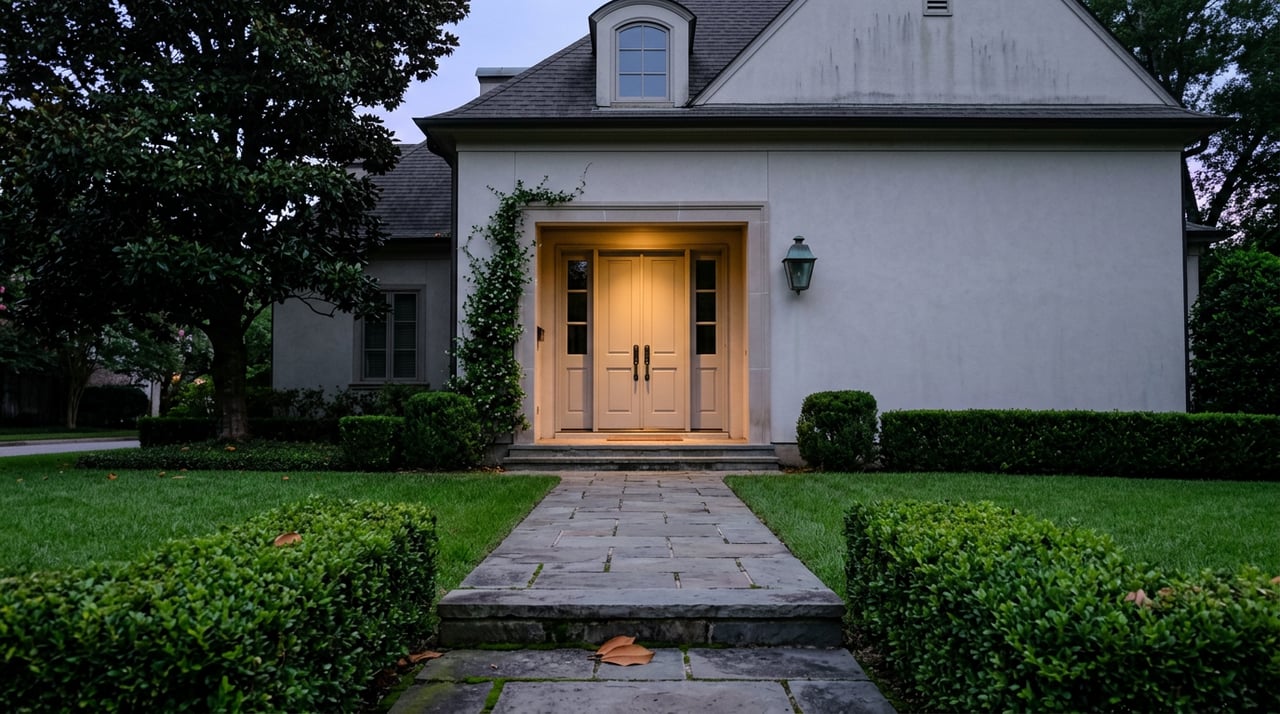
Start with curb appeal
Exterior updates tend to offer some of the strongest resale returns. Zonda’s 2025 Cost vs. Value report found especially strong recoup rates for projects like garage door replacement, steel door replacement, manufactured stone veneer, and fiber-cement siding replacement.
You do not need to take on every exterior project to benefit from this trend. Instead, focus on the parts of your home buyers see immediately:
- Clean up the front entry
- Refresh mulch and trim back overgrowth
- Pressure wash siding, walkways, and porches if needed
- Repaint or replace the front door if it looks worn
- Make sure the garage door looks clean and operates properly
- Replace broken lights or dated hardware
These improvements help create a sense that the home has been maintained, which can influence how buyers view the entire property.
Refresh walls and surfaces
One of the most common recommendations from REALTORS in NAR’s 2025 Remodeling Impact Report was painting the entire home. Fresh paint is one of the simplest ways to make a property feel cleaner, brighter, and more current.
Pay special attention to visible wear. Scuffed trim, patched walls, dated colors, and stained ceilings can distract buyers and make them wonder what else has been overlooked. A clean, neutral backdrop helps buyers focus on the space itself.
Repair small issues before buyers see them
Minor problems can create outsized concern. A dripping faucet, loose handle, squeaky door, cracked switch plate, or burned-out bulb may seem small, but together they can make a home feel less cared for.
Before listing, walk through your home as if you were seeing it for the first time. Fix obvious cosmetic and functional issues that could come up in photos, showings, or inspections. Buyers with experience and equity often have strong expectations, and many are willing to be picky about condition.
Prioritize the rooms that shape buyer perception
Not every room carries equal weight. If your time or budget is limited, focus on the spaces that influence buyer emotion and decision-making most.
Living areas should feel open and usable
In NAR’s 2025 staging survey, the living room was the room most often staged. That makes sense because buyers tend to imagine daily life there right away.
Remove excess furniture, clear visual clutter, and create an easy path through the room. If the space feels crowded, buyers may assume it is smaller than it is. If it feels calm and functional, they can picture themselves settling in.
Kitchens should look clean and current
You do not always need a full kitchen renovation. In fact, the strongest resale evidence generally favors visible, lower-disruption updates over major remodels. A minor kitchen remodel also ranked well in Zonda’s 2025 report.
Simple changes can go a long way:
- Clear countertops except for a few intentional items
- Deep-clean appliances and cabinet fronts
- Update dated cabinet hardware if needed
- Replace worn caulk
- Fix leaking faucets or disposal issues
- Improve lighting so the room feels bright in photos and in person
Buyers do not expect every kitchen to be brand new. They do expect it to feel well maintained.
Bathrooms should feel fresh
Bathrooms are another area where condition matters. Stained grout, old caulk, dim lighting, and clutter can quickly make the room feel older than it is.
Focus on a crisp, clean presentation. White towels, clear counters, working fixtures, and a bright, well-kept finish can make a bathroom feel more inviting without a major investment.
Primary bedrooms should feel restful
The primary bedroom was also one of the most commonly staged rooms in NAR’s survey. Buyers respond well to spaces that feel calm, spacious, and simple.
Use fewer accessories, minimize personal items, and keep furniture scaled appropriately. The goal is not to make the room look empty. It is to help buyers understand how the room lives.
Decluttering is one of the highest-value steps
If there is one task almost every seller should do, it is decluttering. NAR’s 2025 staging survey found that decluttering, whole-home cleaning, and curb-appeal improvements were the most commonly recommended prep items.
Decluttering helps in three ways. It makes rooms look larger, it improves photos, and it helps buyers focus on the home instead of your belongings. It also makes your eventual move easier.
Work through your home with a simple filter:
- Keep what you use now
- Pack what you want later
- Donate or discard what you no longer need
Pay extra attention to entry areas, kitchen counters, bathroom vanities, bookshelves, and closets. Storage matters to buyers, and overfilled closets can make a home feel short on space.
Clean like the market is watching
A professionally marketed home still needs to feel spotless in person. Buyers notice dust, odors, smudged glass, pet hair, and dirty baseboards faster than many sellers realize.
Before listing, aim for a whole-home clean that covers:
- Floors and carpets
- Windows and mirrors
- Kitchens and baths
- Trim, doors, and light switches
- Ceiling fans and light fixtures
- Garage and outdoor living areas
A clean home signals care. In a market where buyers can compare many listings online, that sense of care matters.
Use staging to help buyers connect
Staging is not about making your home look fancy. It is about helping buyers understand the layout, scale, and lifestyle of the space. According to NAR’s 2025 staging survey, 83% of buyers’ agents said staging made it easier for a buyer to visualize a property as a future home.
Sellers sometimes assume staging is only for vacant or luxury homes. In reality, even light staging can help reduce distraction and improve flow. Sellers’ agents in the same survey reported that staging reduced time on market in 49% of cases, and 29% said it increased the dollar value offered by at least 1% to 10%.
Stage the most important spaces first
If you are not staging every room, start with the rooms buyers care about most:
- Living room
- Primary bedroom
- Dining room
- Kitchen
Those spaces often set the tone for the whole showing. A thoughtful arrangement can make the home feel larger, more functional, and more memorable.
Match your prep to your competition
Wake Forest buyers are often looking for lifestyle fit, convenience, affordability, and a home that feels right for day-to-day living. In a suburban market like this, they are not just judging square footage. They are comparing ease, condition, and how well a home supports their routine.
That is why the best prep plan depends on your home’s competitive position. If your home already has solid finishes and a strong layout, you may only need paint, repairs, cleaning, decluttering, and polished marketing. If it has obvious wear or falls behind nearby listings or new construction, more updates may be worthwhile.
The key is to avoid over-improving without a reason. With new residential projects under review in Wake Forest, buyers may have more choices ahead. The goal is not to out-renovate every listing. It is to present your home as clean, current, and easy to choose.
Professional marketing is part of preparation
Preparation does not end when the house is clean. In today’s market, marketing is part of the prep itself. If buyers are finding homes online first, your listing needs to tell a clear visual story from day one.
Among sellers who used agents, common marketing channels included the MLS, yard signs, open houses, agent websites, company websites, virtual tours, and major home search platforms. Buyers, meanwhile, consistently rated photos, property details, floor plans, and virtual tours as highly useful.
That means a strong listing plan should include:
- Professional photography
- Clear, accurate property information
- A pricing strategy grounded in current competition
- A presentation that highlights your home’s best features
- Marketing that meets buyers where they are searching
For many sellers, this is where expert guidance makes the biggest difference. The right strategy helps you decide what to improve, what to leave alone, and how to bring the home to market with confidence.
A simple Wake Forest prep checklist
If you want a practical place to start, focus on this sequence:
- Walk through your home with a buyer’s eye
- Make a list of visible repairs
- Declutter room by room
- Deep-clean the entire property
- Refresh paint and worn finishes where needed
- Improve curb appeal at the entry and front elevation
- Lightly stage the key living spaces
- Prepare for professional photography and marketing
- Review pricing against current Wake Forest competition
This kind of plan keeps your effort focused on the changes buyers are most likely to notice and value.
Selling in Wake Forest today is less about doing everything and more about doing the right things well. In a growing market with strong demand, steady online search behavior, and continued new supply, the homes that stand out are the ones that feel cared for, current, and easy to say yes to. If you want thoughtful guidance on how to prepare, price, and present your property, Hodge & Kittrell Sotheby’s International Realty can help you create a listing strategy that fits your home and your goals.
FAQs
What home improvements matter most before selling a Wake Forest home?
- The updates most likely to matter are visible, practical improvements such as fresh paint, curb appeal, clean flooring, working fixtures, and a kitchen or bath that feels well maintained.
How important is staging when selling a home in Wake Forest?
- Staging can be very helpful because it helps buyers visualize the home more easily, and survey data shows it can reduce time on market and sometimes improve the final offer.
Should you renovate your Wake Forest home before listing it?
- Usually, a full renovation is not necessary unless the home has clear functional issues or falls well behind competing listings, including newer homes and new construction.
How do buyers shop for homes in Wake Forest today?
- Most buyers begin online, where photos, detailed listing information, floor plans, and virtual tours play a major role in whether they choose to visit a home.
What is the first step to prepare a Wake Forest home for sale?
- A smart first step is to walk through the property as a buyer would and identify anything that feels cluttered, worn, outdated, or in need of repair.