If you want a home base that feels connected, comfortable, and easy to navigate, Wake Forest often stands out quickly. This growing Wake County town offers a blend of historic character, everyday convenience, and access to the wider Triangle that appeals to many buyers and sellers. Whether you are relocating, moving up, or simply comparing communities, understanding daily life here can help you see why Wake Forest continues to draw attention. Let’s take a closer look.
Why Wake Forest Feels Distinct
Wake Forest has grown quickly, but it still holds onto a recognizable sense of place. Census QuickFacts estimates the town’s population at 56,764 in July 2024, up from 47,601 in 2020 and 30,117 in 2010. That kind of growth points to strong demand, but it does not erase the town’s local identity.
Part of that identity comes from how Wake Forest balances older civic spaces with newer residential growth. You can see that mix in its historic core, its established gathering places, and its broader suburban setting. For many people, that combination is what creates the small-town feel while still supporting a modern lifestyle.
Downtown Wake Forest Shapes Daily Life
Downtown gives Wake Forest much of its personality. The town describes this area as a walkable center with locally owned retail, dining, coffee shops, boutiques, galleries, and nightlife. That means your daily routine can include practical stops and social outings in the same part of town.
Just as important, downtown is more than a business district. It is tied closely to the town’s historic fabric and helps preserve the older character that many residents value. If you are looking for a community with a visible sense of history, downtown Wake Forest plays a big role in that experience.
Historic character is part of the setting
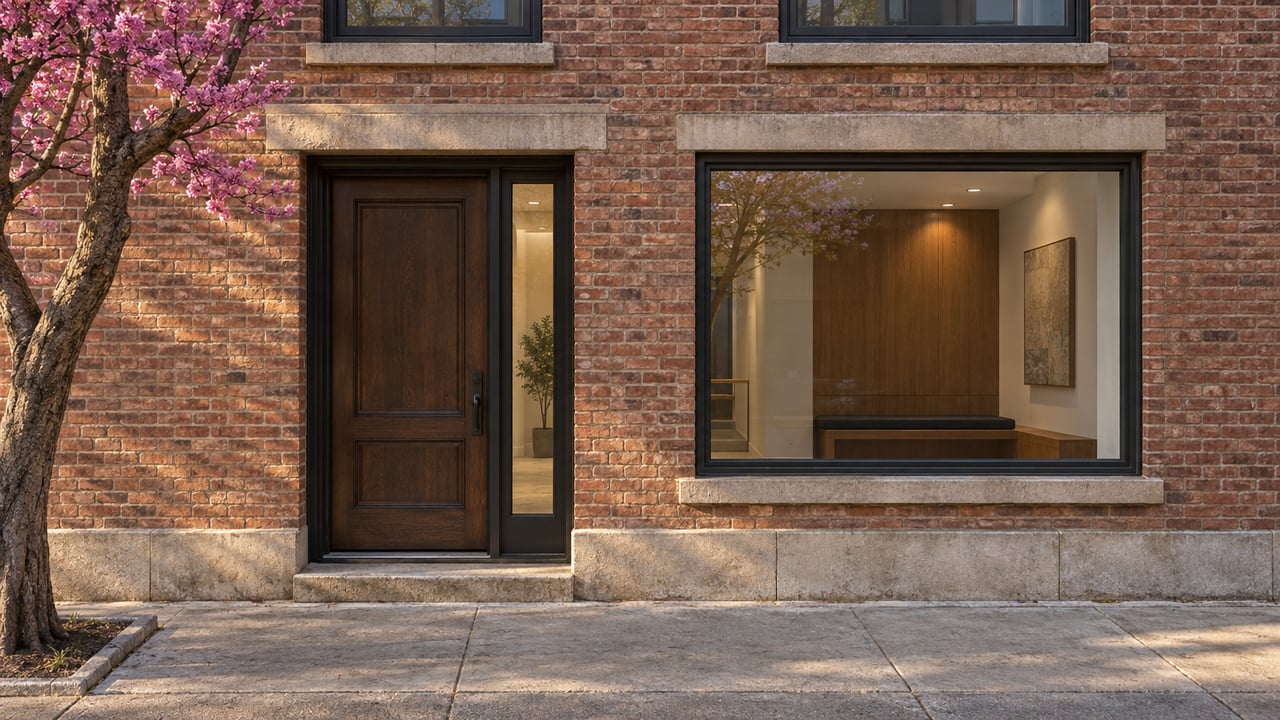
Wake Forest recognizes four historic districts, including the Downtown Wake Forest Historic District and a local historic district concentrated on North Main Street. The built environment in these areas includes examples of American architectural styles from roughly 1820 to 1956. That creates a streetscape with more visual depth than you might expect in a fast-growing suburb.
For buyers, this can mean access to neighborhoods and homes with a different kind of presence and story. For sellers, it reinforces that Wake Forest offers more than just convenience. It offers a setting that feels established and memorable.
Community events keep downtown active
Downtown also serves as a regular gathering place. The Wake Forest Farmers’ Market operates year-round on Saturdays behind Town Hall, giving residents a recurring weekly destination. That kind of routine amenity can make a town feel easier to settle into.
Recurring events like Friday Night on White add another layer to community life. They help create a rhythm that is about more than errands or commuting. When people talk about Wake Forest feeling friendly and connected, these shared spaces and events are part of the reason.
Parks and Greenways Support an Active Lifestyle
Outdoor access is a major part of living in Wake Forest. The town’s Parks, Recreation & Cultural Resources department manages 561 acres of parks, open space, natural land, and trails. Its overall system includes more than 50 miles of developed and undeveloped greenway trails.
That scale matters because it makes recreation part of everyday life, not just an occasional weekend plan. If you enjoy walking, biking, trail access, or simply having more green space nearby, Wake Forest offers a strong foundation for that lifestyle.
Joyner Park stands out
E. Carroll Joyner Park is one of the town’s signature outdoor spaces. The park spans 117 acres and includes three miles of paved trails, restored farm buildings, a pecan grove, gardens, and an amphitheater. It blends open space with amenities in a way that feels both scenic and practical.
For many residents, spaces like Joyner Park add to Wake Forest’s appeal because they support both activity and downtime. You can fit in a walk, attend an event, or simply enjoy a well-kept public space close to home. That is a meaningful quality-of-life feature in a growing town.
Recreation options go beyond one park
Holding Park offers a different kind of neighborhood-scale recreation. It includes an inclusive playground, picnic space, a basketball court, and the town’s aquatic center. This gives residents another option for casual, close-to-home outdoor time.
The Joyner Park Community Center expands that mix even further. It includes a walking track, gym space, multi-purpose rooms, a dance studio, and kitchen facilities. Together, these amenities show that Wake Forest’s recreation network supports a broad range of day-to-day needs.
Modern Convenience Extends Beyond the Town Center
Wake Forest’s convenience comes from both local services and regional access. Downtown provides dining, shopping, coffee spots, and a farmers market that can support weekly routines without requiring a long drive. Some establishments also add evening activities like live music and trivia, which contributes to a more rounded local lifestyle.
At the same time, Wake Forest benefits from its place within the Triangle. The town’s visitor materials describe easy access to North Raleigh, downtown Raleigh, Research Triangle Park, and Raleigh-Durham International Airport. For many buyers, that is the real advantage: a quieter home base that still keeps the region within reach.
Regional access supports flexibility
The town snapshot lists North Raleigh at about 5 minutes, downtown Raleigh at about 35 minutes, RTP at about 30 minutes, and Raleigh-Durham International Airport at about 25 miles. Those estimates help explain why Wake Forest appeals to people who want more breathing room without feeling far removed. Commute patterns and travel needs vary, but regional connectivity remains a clear part of the town’s value.
Transit options add another layer of flexibility. According to the town’s transit page, riders can use Go Wake Forest microtransit to reach the Wake Forest-Raleigh Express bus stop in downtown Wake Forest, and commuter parking is available downtown. For some residents, that can make regional travel more manageable.
Wake Forest Housing Has a Clear Identity
The housing picture in Wake Forest reads as suburban, owner-occupied, and historically layered. Census QuickFacts shows an owner-occupied housing unit rate of 74.0% in Wake Forest, compared with 66.6% statewide. That suggests a residential base with a strong ownership presence.
The same data shows a median value of owner-occupied housing units of $474,500, compared with $288,900 statewide. Median gross rent is $1,596, and there were 18,403 households reported. Together, these figures help frame Wake Forest as an established and growing market within Wake County.
Stability and growth can exist together
Another useful data point is that 84.0% of residents were living in the same house one year ago. While no single number tells the whole story, that does suggest a relatively stable residential base. For people evaluating where to buy, that kind of stability can be part of what makes a community feel grounded.
At the same time, population growth shows that Wake Forest is still evolving. That combination of stability and growth is often attractive because it can mean an area feels established without feeling static. In Wake Forest, that balance is a big part of the appeal.
Older homes and newer neighborhoods coexist
Wake Forest’s historic districts add an older, character-rich housing layer to the market. The local historic district on North Main Street includes the town’s earliest residential avenue and a long span of architectural styles. The Downtown Wake Forest Historic District and Glen Royall Mill Village Historic District reinforce the presence of preserved older housing and commercial fabric.
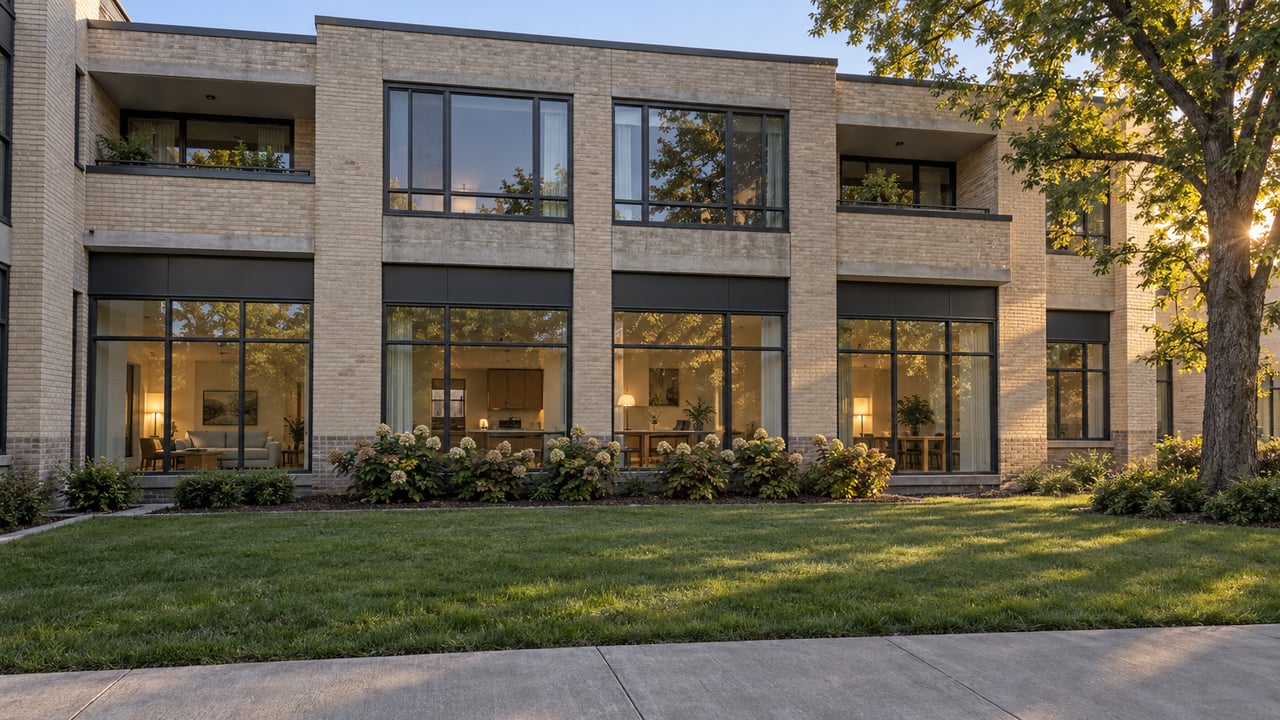
Taken together with the town’s growth, the result is a housing landscape that includes both historic core areas and newer suburban development nearby. That variety gives buyers more than one way to live in Wake Forest. It also gives sellers a market story that goes beyond square footage alone.
Who Wake Forest May Appeal To
Wake Forest can be a strong fit if you want a town where local identity still feels visible in daily life. The walkable downtown, recurring community events, and preserved historic areas all contribute to that feeling. At the same time, parks, trails, and regional access make the town practical for modern schedules.
You may also find Wake Forest appealing if you want choices in housing context. Some buyers are drawn to the character of homes near historic districts, while others prioritize newer suburban development and easy access to amenities. The town supports both experiences in a way that feels cohesive rather than disconnected.
Final Thoughts on Living in Wake Forest
Wake Forest offers something many buyers are searching for but do not always find easily: a community that feels rooted without feeling removed. Its downtown brings history, walkability, and recurring activity into everyday life, while its parks, trails, and regional access support convenience and flexibility. Add in a largely owner-occupied housing base and steady growth, and you get a town with both energy and staying power.
If you are considering a move to Wake Forest or preparing to sell in this part of the Triangle, local perspective matters. The right guidance can help you evaluate not just the market, but also how a home fits the way you want to live. To start that conversation, connect with Hodge & Kittrell Sotheby’s International Realty.
FAQs
What is daily life like in Wake Forest, NC?
- Daily life in Wake Forest often centers on a walkable downtown, year-round community events, local shopping and dining, and access to parks, trails, and recreation facilities.
How big is Wake Forest, NC?
- Census QuickFacts estimates Wake Forest had a population of 56,764 in July 2024.
Does Wake Forest, NC have a historic downtown?
- Yes. Downtown Wake Forest is a walkable historic area tied to recognized historic districts, including the Downtown Wake Forest Historic District.
What outdoor amenities are available in Wake Forest, NC?
- Wake Forest manages 561 acres of parks, open space, natural land, and trails, with more than 50 miles of developed and undeveloped greenway trails.
What is E. Carroll Joyner Park in Wake Forest, NC?
- E. Carroll Joyner Park is a 117-acre park with three miles of paved trails, restored farm buildings, a pecan grove, gardens, and an amphitheater.
Is Wake Forest, NC convenient for commuting around the Triangle?
- Wake Forest is positioned for access to North Raleigh, downtown Raleigh, RTP, and Raleigh-Durham International Airport, and the town also offers Go Wake Forest microtransit connections to the Wake Forest-Raleigh Express bus stop.
What is the housing market like in Wake Forest, NC?
- Wake Forest reads as a largely owner-occupied suburban market with historic character in the core and ongoing growth nearby, with a 74.0% owner-occupied housing rate and a median owner-occupied home value of $474,500 according to Census QuickFacts.