If you want a home that puts coffee runs, weekend events, and evening strolls within easy reach, living near Historic Downtown Apex has a lot to offer. You may be drawn to the charm, the walkability, or the convenience of being close to both local gathering spots and Triangle job centers. Whatever brings you here, understanding the day-to-day lifestyle can help you decide if this part of Apex fits the way you want to live. Let’s take a closer look.
Historic Downtown Apex at a glance
Historic Downtown Apex offers a setting that feels distinct from a typical suburban shopping area. The town describes downtown as one of the region’s most intact turn-of-the-century railroad towns, with late-1800s commercial and residential buildings and landmarks like the Apex Union Depot and old Town Hall.
That history shapes the atmosphere in a visible way. As you walk through the district, you are surrounded by a mix of architectural styles, established streets, and civic spaces that give the area a strong sense of place. For many buyers, that character is a big part of the appeal.
Walkability shapes daily life
One of the biggest lifestyle advantages of living near Historic Downtown Apex is how easy it is to get around on foot. Salem Street anchors a compact downtown, and key destinations like the Historic Depot, the Halle Cultural Arts Center, and public art along the Apex Sculpture Walk are all close together.
This is the kind of area where you can step out for a short walk and turn it into part errand, part outing. The town’s Salem Streetscape project is also adding wider sidewalks, street trees, lighting, and other features designed to support walkability and outdoor dining.
If you do need to drive into downtown, the town provides an interactive parking map and a mobile app that shows real-time availability in four nearby lots. GoApex Route 1 also provides free public bus service to the downtown area on a regular schedule, which adds another layer of convenience.
Dining and shopping feel close at hand
Downtown Apex is a lifestyle center as much as a historic district. The area brings together restaurants, boutiques, breweries, and other local shops within a short walk of one another, which helps create an easy, connected experience.
That means your routine can feel more flexible and less car-dependent. You might meet friends for dinner, browse a few shops, and enjoy time outdoors without needing to move your car from place to place.
The town’s social district, The Local Spot, adds to that rhythm. Within the approved downtown boundaries, adults 21 and older can carry approved beverages daily from 11:00 a.m. to 10:00 p.m. while walking between participating businesses and public areas.
Community events keep downtown active
Living near Historic Downtown Apex usually means living near more than storefronts. The town hosts a steady calendar of community events, with recurring celebrations such as PeakFest, Juneteenth in the Peak, Fireworks Frenzy, Olde Fashioned Fourth of July, Apex Oktoberfest, and the Rotary Christmas Parade.
Many of these events use Salem Street or Town Hall Campus as a venue, so downtown often has a built-in sense of energy. If you enjoy seasonal programming and public gatherings, that can be a major benefit.
It also helps create a social feel that carries beyond special occasions. Even outside the biggest festivals, the area tends to feel active and community-oriented, especially on weekends.
The farmers market adds a weekly tradition
For many residents, the Apex Farmers Market is part of the downtown lifestyle. It operates every Saturday at Depot Plaza on North Salem Street, with seasonal hours from 8:00 a.m. to noon from April through October and 9:00 a.m. to noon from November through March.
Vendors offer produce, meat and seafood, baked goods, prepared items, and handmade crafts, jewelry, and art. If you like having a regular weekend destination close to home, this is one of the practical perks of living nearby.
The market also reinforces the rhythm of the district. Instead of downtown being only a place to visit occasionally, it becomes part of your weekly routine.
Parks and trails are close by
A walkable downtown is only part of the picture. Nearby parks and greenways give you access to outdoor recreation that balances the more active downtown core.
Hunter Street Park is close to downtown and includes a dog park, Trackside Skate Plaza, soccer and softball facilities, and a rentable shelter. Apex Community Park offers 160 acres with fields, courts, trails, playgrounds, and an agility course, while Salem Pond Park includes ponds, a lighted multi-purpose field, and a walking trail.
Apex also maintains more than 13 miles of public greenway, including Beaver Creek Greenway. The town says it has more miles of the American Tobacco Trail within its limits than any other Wake County community, which is a meaningful amenity if you enjoy walking, running, or cycling.
For pet owners, the town’s fenced, lighted dog parks at Hunter Street Park and Apex Nature Park add everyday convenience. Separate small-dog and large-dog areas, water fountains, and year-round access make these spaces easy to use.
Homes near downtown have distinct character
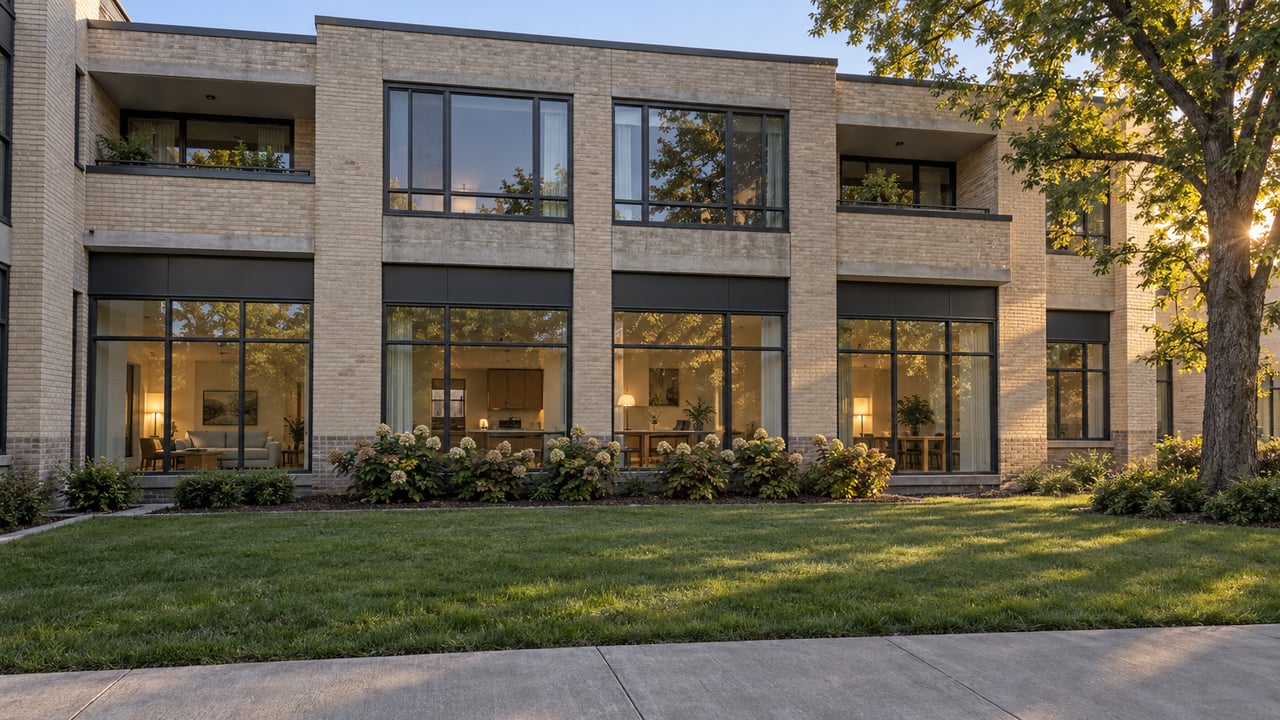
The housing near Historic Downtown Apex stands apart from newer large-subdivision development. The Apex Historic District is a National Register Historic District with residential, commercial, and institutional structures dating largely from about 1870 to 1950.
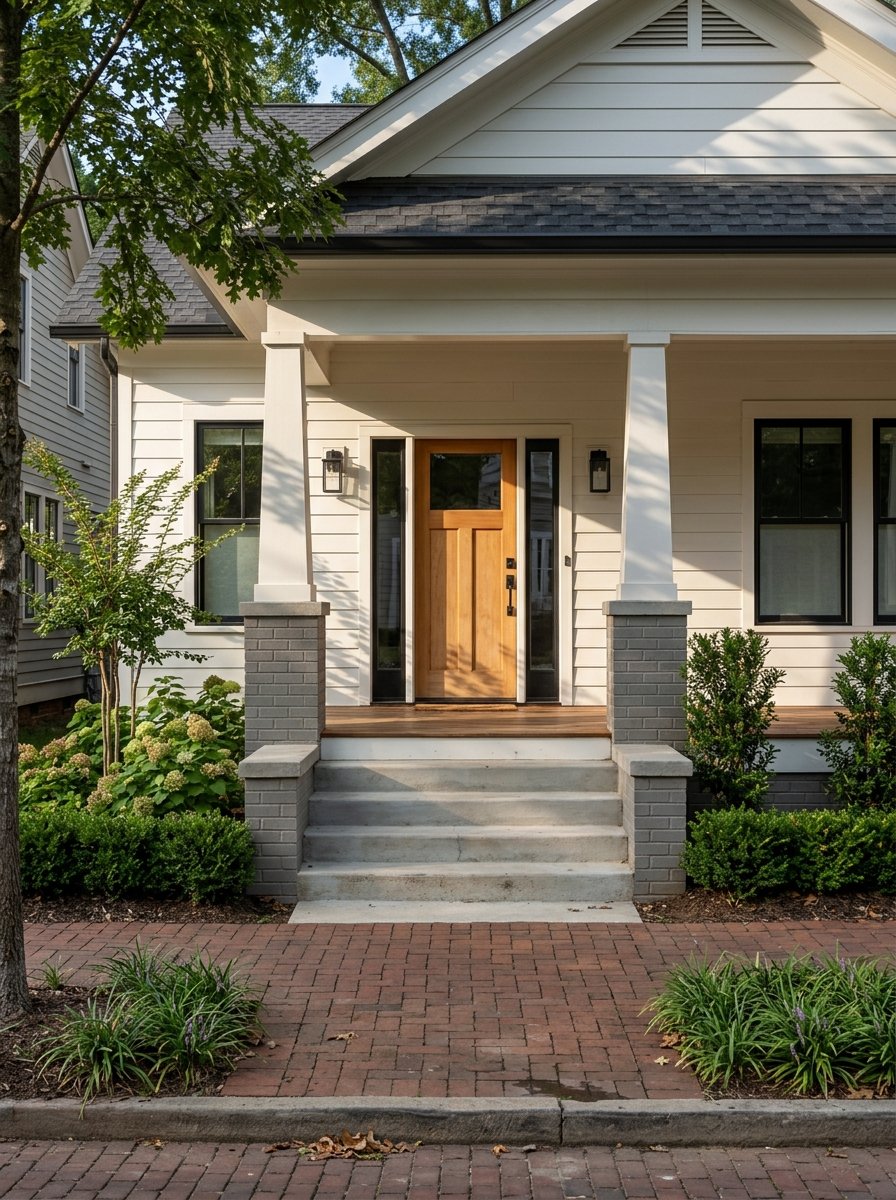
Architectural styles in the district include Queen Anne, Bungalow/Craftsman, Neocolonial Revival, and commercial style. For buyers, that often means more variety, more visible craftsmanship, and more individuality than you might find in newer neighborhoods.
If you are searching for a home with architectural personality and a stronger connection to the town’s history, this area can be especially appealing. It tends to attract buyers who value character and setting as much as square footage.
Renovation rules deserve attention
Historic character comes with important considerations. If you plan to renovate a property inside the historic district, you should know that the town’s regulations are more restrictive for rehabilitation, relocation, and demolition of historic structures.
In practical terms, exterior changes are not handled the same way they would be in a newer neighborhood. That does not mean historic ownership is difficult, but it does mean you will want clear guidance before making plans for updates.
For the right buyer, these rules are part of what helps preserve the district’s appeal over time. Still, it is smart to understand them early in your search.
Commuting from Apex stays manageable
Another reason buyers consider this area is access to the wider Triangle. Apex is located in southwestern Wake County, less than 20 minutes from Research Triangle Park and about 15 miles from RDU, according to the town.
The town also identifies Cary, Raleigh, Durham, and other Triangle destinations as relatively short drives. That makes living near Historic Downtown Apex appealing if you want a more distinctive residential setting without giving up regional convenience.
Transit options also support connectivity. GoApex Route 1 is free, GoCary Route 9 connects Apex with Cary, and the town says a GoTriangle Route 311 connection to RTP is scheduled to begin in August 2026.
Who tends to enjoy living here most
Living near Historic Downtown Apex can be a strong fit if you want a neighborhood that feels active, connected, and rooted in place. You may appreciate it most if you enjoy walking to dining and events, spending time in parks and public spaces, and living near homes with established character.
It can be a different experience from a quieter, newer subdivision. Downtown living often comes with more activity, more foot traffic, and more community programming nearby.
That tradeoff is exactly what many buyers want. If your ideal home life includes convenience, charm, and a built-in sense of community rhythm, this part of Apex deserves a close look.
If you are considering a move to Apex or want help finding the right fit near downtown, Hodge & Kittrell Sotheby’s International Realty offers thoughtful local guidance tailored to the way you want to live.
FAQs
What is the lifestyle like near Historic Downtown Apex?
- Living near Historic Downtown Apex often means easy access to shops, restaurants, public events, civic spaces, and weekly traditions like the Apex Farmers Market, all within a compact and walkable setting.
Is Historic Downtown Apex walkable for daily errands and outings?
- Yes. Downtown Apex is a pedestrian-oriented district centered around Salem Street, with closely spaced dining, shopping, arts, and public gathering spaces, plus streetscape improvements designed to support walking.
What types of homes are near Historic Downtown Apex?
- Homes near the historic core often reflect older architectural styles and a preservation-oriented setting, including Queen Anne, Bungalow/Craftsman, and Neocolonial Revival homes within the Apex Historic District.
Are there renovation rules in the Apex Historic District?
- Yes. The town’s historic district regulations govern rehabilitation, relocation, and demolition of historic structures, so exterior changes may be more restricted than in newer neighborhoods.
What outdoor amenities are available near Historic Downtown Apex?
- Nearby options include Hunter Street Park, Apex Community Park, Salem Pond Park, more than 13 miles of public greenway, access to the American Tobacco Trail, and lighted dog parks with separate areas for small and large dogs.
How convenient is commuting from Apex to Triangle job centers?
- Apex is less than 20 minutes from Research Triangle Park and about 15 miles from RDU, with access to free GoApex transit, a Cary connection via GoCary Route 9, and a planned GoTriangle Route 311 connection to RTP beginning in August 2026.