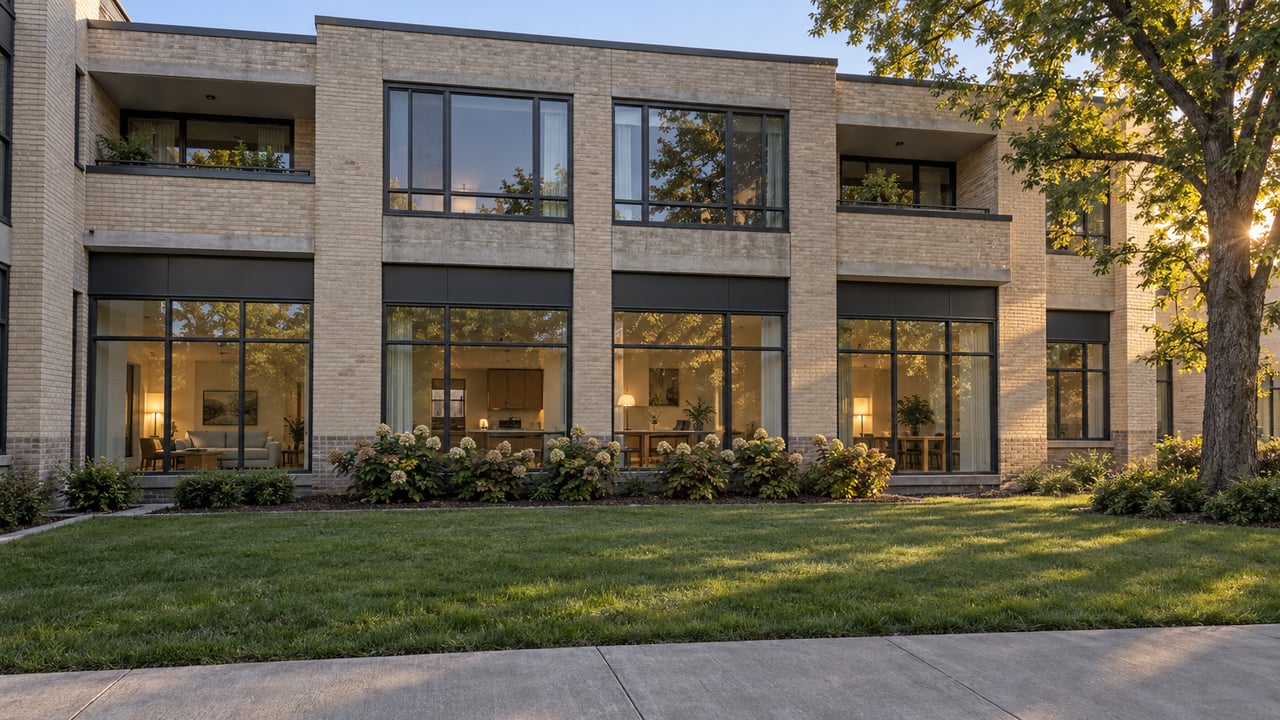
If you are thinking about buying an investment property in Durham, the first question is not just what can I afford? It is which part of Durham matches the rental strategy you want to run? Durham offers real demand drivers, from Duke to downtown to RTP, but today’s rental market also requires careful underwriting and realistic expectations. This guide will help you compare Durham’s main investment corridors, understand current market signals, and focus on the practical questions that matter before you buy. Let’s dive in.
Why Durham draws investors
Durham continues to grow, and that matters when you are evaluating long-term housing demand. The city population reached 301,870 in July 2024, up 6.4% from the 2020 Census, while Durham County grew to 343,628, up 5.8% over the same period.
The city also has a large renter base and a strong employment foundation. Durham’s owner-occupied housing rate is 52.3%, median gross rent is $1,508, and the local workforce is highly educated, with 55.2% of adults age 25 and older holding a bachelor’s degree or higher.
Large institutions help support that demand. Duke reported 17,325 students in fall 2025 and 48,313 employees across the university and health system in July 2025. RTP adds another major employment engine, with more than 55,000 employees and more than 385 companies.
Read rental data carefully
One of the easiest mistakes investors make is treating every rent number as if it means the same thing. In Durham, public rent data can point you in the right direction, but it should not be used interchangeably without context.
For example, the Census reports Durham’s median gross rent at $1,508. Zillow’s February 28, 2026 snapshot puts average asking rent at $1,651 and typical home values at $393,151. Using those Zillow figures, a rough gross annual rent yield is about 5.0% before taxes, vacancies, repairs, HOA dues, and financing costs.
That kind of quick calculation can be useful as a first pass, but it is not a cap rate and it does not tell you what your net return will be. Your actual performance will depend on operating costs, turnover, financing terms, and the specific property you buy.
Durham market conditions right now
Durham has strong demand drivers, but the broader Durham-Chapel Hill rental market is currently supply-heavy. HUD’s December 1, 2024 analysis classified the sales market as balanced and the rental market as soft.
That same analysis reported an 11.2% overall rental vacancy rate and an 11.7% apartment vacancy rate. Average apartment rent was reported at $1,546, with estimated demand for 3,800 new rental units over three years and 5,250 units already under construction.
This does not mean Durham lacks opportunity. It does mean you should be selective, conservative, and clear about the renter profile your property is meant to serve.
Compare Durham’s key investment corridors
Downtown Durham rentals
Downtown Durham is built around districts such as City Center, American Tobacco, Warehouse and Brightleaf, Central Park, and Government Services and Golden Belt. Official visitor materials highlight DPAC, the Durham Bulls Athletic Park, the Bullpen social district, Durham Central Park, the downtown farmers market, and a dense mix of restaurants, arts venues, bars, and local shops.
For investors, downtown often appeals to tenants who value walkability and access to entertainment, dining, and city amenities. Based on the area’s built form, the housing stock may include condos, lofts, adaptive-reuse units, and renovated historic homes.
A downtown strategy often puts location and convenience ahead of square footage. That can work well for amenity-driven renters, but it may also mean a more hands-on model if tenants move more often or regularly compare your property to newly delivered rental options.
Ninth Street and Duke rentals
The Ninth Street and Duke corridor has a different feel. Ninth Street is described as a historic shopping and dining district with a college-town atmosphere, and Duke’s East and West campuses sit nearby.
Duke and GoDurham buses connect campuses and surrounding areas, which adds to the corridor’s convenience. With Duke’s large student and employee base, this part of Durham often supports rental demand from students, graduate students, faculty, medical staff, and service workers.
In this setting, smaller single-family homes, duplexes, and townhomes often fit the area’s demand profile and built form. Investors in this corridor should pay close attention to turnover, parking, occupancy rules, and day-to-day management needs, since these details can affect your experience as much as rent levels do.
South Durham, Southpoint, and RTP rentals
South Durham offers a more commute-oriented and suburban investment story. Discover Durham describes Southpoint and RTP as a live-work-play corridor anchored by The Streets at Southpoint and Boxyard RTP, while RTP itself reports more than 55,000 employees and more than 385 companies.
The Southpoint area is also described as a convenient and populous area near Interstate 40. For many investors, this corridor aligns with renters connected to RTP, health care, biotech, and relocation demand.
Because of that profile, South Durham often fits longer-tenancy renters and relocators looking for practical commutes and newer housing options. Based on the area’s character, common product types may include newer townhomes, single-family homes, and condos.
How to match strategy to location
No single Durham neighborhood is automatically the “best” for investment. The smarter question is whether the property, location, and renter profile all line up.
Here is a simple way to think about Durham’s main approaches:
| Corridor | Typical renter profile | Common strategy focus |
|---|---|---|
| Downtown Durham | Amenity-focused renters | Buy and hold with attention to location and convenience |
| Ninth Street and Duke | Students, faculty, medical and university-related renters | Buy and hold with higher-touch management considerations |
| South Durham and RTP | Professionals, relocators, longer-term renters | Buy and hold with focus on stability and commute appeal |
If you prefer a property that may attract longer stays, South Durham or RTP-adjacent areas may fit your goals. If you want a more urban or institution-driven rental story, downtown or the Duke area may be worth a closer look. In each case, the address matters just as much as the broader corridor.
Taxes and operating costs to underwrite
Before you make an offer, it helps to pressure-test your numbers with current local costs. For properties inside Durham city limits, the 2025-26 combined city and county property tax rate is 99.13 cents per $100 of assessed value. That includes a 43.71-cent city rate and a 55.42-cent county rate.
On a $400,000 assessed value, that equals roughly $3,965 before any special district add-ons. Durham County also notes that countywide reappraisal became effective January 1, 2025, so you should underwrite based on current assessed values and verify whether a property falls into any special tax district.
Taxes are only one line item. You should also account for insurance, vacancy, repairs, maintenance, HOA dues if applicable, and financing costs. Those items can make a major difference between a property that looks good on paper and one that actually performs the way you want.
Durham rental rules to know
Durham investors also need to understand basic compliance obligations. In North Carolina, local governments cannot impose rent control on privately owned rental property, so cities and counties cannot cap rent under state law.
Within the city of Durham, the Proactive Rental Inspection Program applies to all residential rental properties and requires proactive inspections. Owners with three or more minimum housing code violations in the prior year must register the property unless they qualify for the compliance incentive program.
North Carolina law also sets rules for residential security deposits. Deposits must be held in a trust account or qualified bond, deposit limits depend on tenancy type, and owners must provide an itemized return or accounting within 30 days, or a final accounting within 60 days if the claim cannot yet be fully determined.
Due diligence before you buy
A promising listing is only the starting point. Before you move forward, it is worth slowing down and asking sharper questions.
Start with the property itself:
- Does the location fit your intended renter profile?
- What are the likely costs for taxes, insurance, repairs, vacancy, and HOA dues?
- Are there zoning, parking, occupancy, or lease restrictions that affect how the property can be used?
- Has the property had prior code issues or violations?
- If the property is older, what renovation or repair budget is realistic?
Then think about your exit strategy:
- Are you planning to hold for cash flow?
- Would you refinance after improvements or stabilization?
- If you sell later, what buyer pool is most likely for that property type and location?
For older housing stock or value-add opportunities, confirm zoning, permits, HOA rules, code history, and repair budgets with the appropriate professionals before you commit. That extra work can help you avoid expensive surprises.
A practical Durham investment outlook
Durham remains appealing because it combines population growth, major employers, a large renter base, and several distinct rental corridors. At the same time, today’s softer rental conditions mean discipline matters. You are not just buying into a city. You are buying into a micro-location, a property type, and an operating plan.
That is why thoughtful investors tend to do best here when they match the right property to the right tenancy model and underwrite with care. If you want a clearer picture of how a condo near downtown compares with a townhome near Southpoint or a house close to Duke, local insight can make the decision much more grounded.
If you are exploring residential investment opportunities in Durham or weighing how a specific property fits your goals, the team at Hodge & Kittrell Sotheby’s International Realty can help you evaluate location, property type, and market context with the discretion and local knowledge the Triangle deserves.
FAQs
What makes Durham appealing for residential investment property?
- Durham combines population growth, a sizable renter base, major employers like Duke, and regional job support from RTP, which together create multiple sources of rental demand.
What is the current Durham rental market like for investors?
- The broader Durham-Chapel Hill rental market is currently considered soft, with elevated vacancy levels reported by HUD, so careful underwriting and property selection are especially important.
What is the difference between Downtown Durham and RTP for rental strategy?
- Downtown Durham often appeals to renters who value walkability and amenities, while South Durham and RTP often align more closely with professionals, relocators, and longer-term tenancy patterns.
What property taxes should Durham investors plan for?
- For properties inside Durham city limits, the 2025-26 combined city and county property tax rate is 99.13 cents per $100 of assessed value, before any special district add-ons.
What rental compliance rules should Durham property owners know?
- Durham rental owners should review the city’s Proactive Rental Inspection Program requirements and follow North Carolina rules on security deposit handling, limits, and return timelines.
What should you analyze before buying an investment property in Durham?
- You should review the property’s likely renter profile, total operating costs, local rules, any prior code issues, and your most realistic exit strategy before moving forward.