A Raleigh job offer can open exciting doors, but your housing choice will shape how the move actually feels day to day. If you are relocating for a tech, research, or university role, the biggest question is often not just what can I afford? but where will my commute, lifestyle, and housing goals line up best? The good news is that Raleigh offers a broad mix of urban, hybrid, and space-first options across the Triangle. Let’s break down how to think about your next move.
Start with your job corridor
In Raleigh, many relocators land near one of three major employment nodes: Downtown Raleigh, NC State’s Centennial Campus, or Research Triangle Park. The City of Raleigh describes downtown as the place where business, government, and culture converge, while Centennial Campus is a major research hub with more than 70 partners, 75 centers, institutes, and departments, and more than 190 startups launched. RTP adds even more scale, with more than 55,000 employees and more than 385 companies.
Because those jobs are spread across different parts of the region, housing decisions often work best when you start with commute patterns first. A home that looks perfect on paper can feel less convenient if your daily drive or transit trip cuts across the wrong corridor. For many newcomers, the right answer is about fit, not just price.
Match housing to your work location
If you expect to work in Downtown Raleigh or around Centennial Campus, the inner part of Raleigh often gives you the easiest routine. If your work centers on RTP or frequent airport trips, western Raleigh, Brier Creek, Cary, and Morrisville usually stay high on the list. The region connects well, but it does not function like a single downtown market, so your route matters.
The City of Raleigh highlights downtown access by walking, biking, transit, and driving. Regional planning around RTP also focuses on connections among Raleigh, Cary, Morrisville, Durham, Chapel Hill, and RTP. That is why many buyers and renters choose a commute corridor first, then narrow down the lifestyle they want within that area.
Urban-core housing in Raleigh
For some relocators, the right move is to live close to the action. Downtown Raleigh and nearby areas offer the city’s most transit- and amenity-rich environment, which can be especially appealing if you want a more walkable daily routine and easier access to restaurants, cultural venues, and office centers.
Urban-core choices include Downtown Raleigh, Moore Square, the Capitol Area, Oakwood, Boylan Heights, Glenwood-Brooklyn, and Glenwood South. The city points to features such as the R-Line, bus rapid transit planning, bike share, and social-district amenities that support a connected lifestyle. If you want to be near activity and reduce drive time for downtown-based work, these areas often deserve a close look.
What urban living may offer
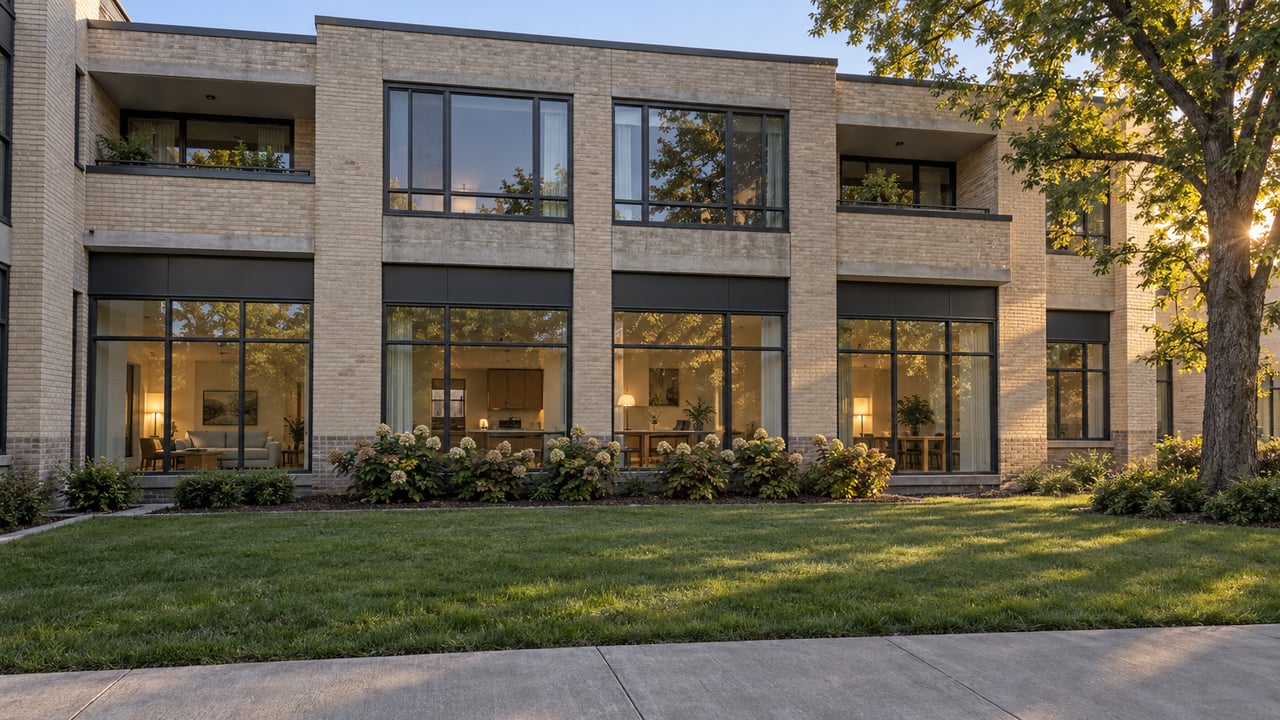
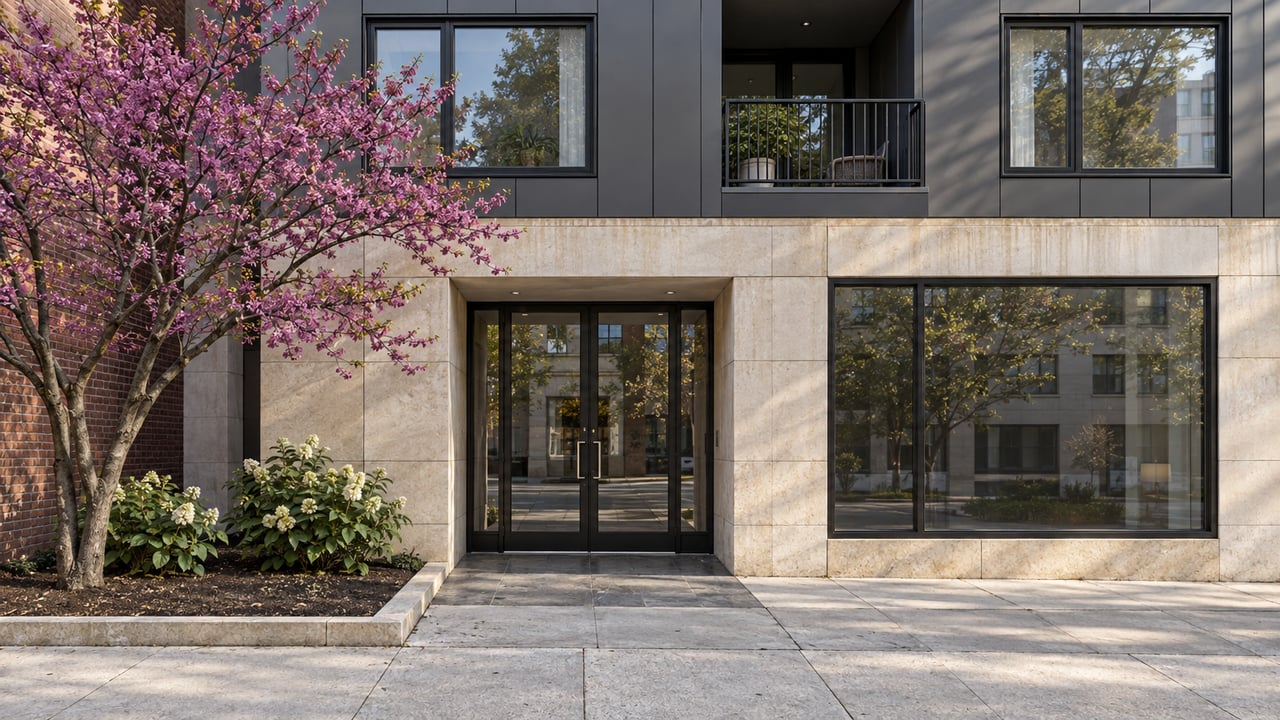
Urban-core housing can be a strong fit if you value convenience and character over maximum square footage. Depending on the property, you may find condos, townhomes, apartments, and historic homes closer to business and entertainment hubs. That can simplify your weekly routine if you want less time in the car.
Oakwood stands out for buyers who appreciate historic housing. Raleigh says the neighborhood includes the city’s largest collection of 19th-century Victorian dwellings and its richest diversity of architectural styles. Several nearby areas also include National Register historic districts, including Oakwood, Boylan Heights, Blount Street, Glenwood-Brooklyn, and Moore Square.
Hybrid neighborhoods for balance
Many tech relocators want something between downtown energy and suburban ease. In Raleigh, that often points to inner-ring or mixed-use areas where you can get a blend of residential comfort, shopping, dining, and office access without committing fully to an urban core.
Midtown and North Hills are a clear example. Raleigh’s Midtown-St. Albans study describes North Hills as a suburban place that has been retrofitted into a walkable urban center. The same study notes a mix of strictly residential areas and more intense mixed-use and commercial zones, with nearly 1,400 residential units tied to the North Hills build-out.
Five Points and the Glenwood Avenue corridor also fit this hybrid category. The city notes that Glenwood Avenue has older urban fabric and is a recommended frequent transit corridor, while Five Points remains an active focus for pedestrian and traffic study. These areas can appeal if you want a central location and a more flexible mix of home styles and daily conveniences.
Why hybrid areas appeal to newcomers
Hybrid neighborhoods can work well when you are still learning the region. You may get easier access to both downtown and western job corridors, while also having a wider range of housing types and commercial services nearby. That flexibility can matter if your employer has hybrid work policies or if your role may evolve after relocation.
Brier Creek is another area many relocators consider, especially for airport access and western commutes. Raleigh rezoning materials show housing and commercial uses continuing to grow together there. For buyers or renters who want a practical launch point for RTP-oriented work, it often stays in the conversation.
Suburban and space-first options
If your priority is more space, a garage, or a more car-oriented daily routine, suburban options may feel like the best fit. This path often appeals to buyers who want room to spread out, more storage, or a property that better supports long-term ownership goals.
Raleigh’s development framework allows for a wider housing palette than many people expect. The city’s mixed-use and residential districts support single-unit, two-unit, multi-unit, cottage court, and conservation development patterns. In practical terms, that means your choices may include more variety than a simple urban-versus-suburban split.
For tech workers who want extra space while staying mindful of RTP access, nearby Cary and Morrisville often remain top alternatives. RTP’s transit and bikeway planning links Raleigh, Cary, Morrisville, RTP, Durham, and Chapel Hill, which helps explain why many relocating professionals search across the broader Triangle instead of limiting themselves to one city line.
Transit and commute realities
Commute planning in Raleigh is highly local. The inner loop usually works best for Downtown Raleigh and Centennial Campus, while western Raleigh, Brier Creek, Cary, and Morrisville often make more sense for RTP- and airport-heavy schedules.
GoRaleigh’s downtown network includes the free R-Line circulator, the Hillsborough Street Shuttle, and Route 70L to Brier Creek Express. GoTriangle’s current map lists Route 100 linking Raleigh, RDU, NC State, and Downtown Raleigh, along with Route 310 linking the Regional Transit Center, Wake Tech RTP, and Cary. RTP also says future bus rapid transit will connect RTP to downtown Raleigh through downtown Cary, and the planned Triangle Bikeway is designed to link Raleigh, Cary, Morrisville, RTP, Durham, and Chapel Hill.
A practical rule for newcomers
If you expect daily trips to RTP or downtown, choose the commute corridor before you choose the home style. That single decision can have a bigger impact on your quality of life than a few extra features inside the house. In a region with several strong job centers, convenience usually comes from being aligned with your route, not just from being close to the city in a general sense.
Should you rent first or buy right away?
For many relocators, this is the toughest call. Raleigh’s market data shows an average home value of $436,506 as of March 31, 2026, with homes going pending in about 20 days. Zillow also reports an average rent of $1,576, a median sale-to-list ratio of 0.982, and 66.2% of sales closing under list.
Financing costs matter too. Freddie Mac’s Primary Mortgage Market Survey placed the 30-year fixed mortgage at 6.37% on May 7, 2026. On an illustrative purchase at Raleigh’s average home value with 20% down, monthly principal and interest would be about $2,177 before taxes, insurance, or HOA dues.
That difference makes the rent-versus-buy gap meaningful, especially if you are still learning traffic patterns, office expectations, or neighborhood fit. If you think your work location, schedule, or preferred area may change after you arrive, a 12-month lease can give you time to test the region before making a longer-term commitment.
When leasing first may make sense
Renting can be useful if you want flexibility and a lower commitment while you settle in. It may also help if you are moving on a tight timeline and do not yet know which part of Raleigh or the Triangle fits your routine best. In a market with distinct job corridors, that trial period can be valuable.
When buying may make sense
Buying can be a stronger option if you already know your likely commute, plan to stay longer term, and feel confident about the location. Ownership can build equity and provide more consistency over time, but it also comes with added costs and responsibilities. The key is to make sure your housing choice supports both your financial goals and your everyday schedule.
How expert relocation help can simplify the move
Relocating for a new role often means making fast decisions in an unfamiliar market. That is where local guidance can reduce stress. Hodge & Kittrell Sotheby’s International Realty serves Raleigh, Durham, Chapel Hill, Cary, RTP, and nearby Triangle towns, with relocation among its stated specialties.
For buyers moving from out of town, that can help with narrowing neighborhoods, coordinating tours, comparing new-construction options, and managing the transaction process from a distance. The firm also highlights experience in historic properties, new construction, land and acreage, and other specialty segments, which can be especially useful if your home search is not one-size-fits-all.
A thoughtful relocation strategy is not just about finding a property. It is about understanding how the region works and choosing a home that supports your work, your time, and the way you want to live. If you are planning a move to Raleigh for a tech job, Hodge & Kittrell Sotheby’s International Realty can help you evaluate neighborhoods, commute patterns, and housing options with local insight and personal guidance.
FAQs
What areas of Raleigh work best for Downtown Raleigh tech jobs?
- For Downtown Raleigh jobs, many relocators focus on the inner part of Raleigh, including downtown and nearby urban-core neighborhoods where access to walking, biking, transit, and driving is strongest.
What housing areas make sense for RTP commuters near Raleigh?
- For RTP-heavy commutes, western Raleigh, Brier Creek, Cary, and Morrisville are often strong options because they align more directly with that job corridor and airport access.
What types of homes can tech relocators find in Raleigh?
- Raleigh offers a broad mix that includes condos, apartments, townhomes, historic homes, single-unit homes, two-unit homes, multi-unit housing, cottage court patterns, and mixed-use residential options.
Is renting first smart when relocating to Raleigh for tech work?
- Renting first can be a practical choice if you are still learning commute patterns, work schedules, parking habits, and which part of Raleigh or the Triangle fits your lifestyle best.
Are there walkable housing options in Raleigh for newcomers?
- Yes. Downtown Raleigh and nearby neighborhoods such as Moore Square, Glenwood South, and parts of the urban core offer some of the city’s strongest access to transit, bike options, and nearby amenities.
Can a relocation brokerage help with moving to Raleigh from out of state?
- Yes. A brokerage with relocation experience can help you compare neighborhoods, coordinate tours, evaluate commute tradeoffs, and manage the buying process more efficiently from a distance.