Torn between Wake Forest’s small‑town charm and North Raleigh’s city convenience? You are not alone. When you are relocating or moving up, the right choice often comes down to commute realities, how you like to live day to day, and the type of home that fits your lifestyle. In this guide, you will get a clear comparison of commutes, housing options, outdoor access and everyday amenities to help you decide with confidence. Let’s dive in.
Big picture: two great options
Both areas are strong picks, but they feel different. Wake Forest centers around a walkable historic downtown with year‑round events and quick access to a major lake recreation area. North Raleigh puts you close to dense retail and dining, with shorter typical drives into many Raleigh job centers and the Beltline/I‑540 corridors.
A quick note for context: “North Raleigh” is an informal label that spans several neighborhoods and price points. Pockets near North Hills and along Six Forks or Falls of Neuse often differ from outer‑north areas. Use this guide to frame your search, then zero in on specific neighborhoods that match your priorities.
Commute and transportation
Distances and real drive times
From downtown Wake Forest to downtown Raleigh you will cover roughly 17 to 19 miles. Off‑peak, that can be about 20 to 30 minutes. During rush hour, plan for 35 to 60 minutes or more depending on route and incidents along US‑1/Capital Boulevard, Falls of Neuse Road, I‑540 and the Beltline. That variability is normal for regional commuting and worth testing with your exact endpoints. For distance context, see this simple Wake Forest to Raleigh routing reference from Travelmath.
On a population level, Wake Forest residents report a mean commute around 31 minutes versus about 23 minutes for Raleigh overall, according to Census Reporter. Treat these as planning cues rather than guarantees.
RTP and RDU access
If your job is in Research Triangle Park, North Raleigh often has the edge on average because many neighborhoods connect more directly to I‑440 and I‑540. Wake Forest commuters typically use I‑540 or multi‑arterial routes to reach RTP or RDU. Real time depends on the exact campus or building, so run live‑traffic checks for your start and end addresses during your usual commute windows.
Transit options
Fixed‑route public transit in Wake Forest is currently limited compared with inner‑city Raleigh. The town has explored expanded service in its Transit Plan, but most daily trips remain by car. Inside North Raleigh, you will find more local bus options and denser park‑and‑ride access near major mixed‑use centers. If you rely on transit, confirm current schedules for your specific route.
Housing types and price bands
Median price snapshots vary by data provider and date, but a few signals can guide expectations. As of early 2026, Wake Forest’s median sale price typically falls in the mid‑$400s to mid‑$500s. One market snapshot reported about $470,000 in February 2026. In North Raleigh, broad snapshots hover around the mid‑$400s, with inner‑north pockets near North Hills and along Six Forks trending higher. Always align your pricing expectations with current, neighborhood‑level data when you are ready to tour.
Wake Forest homes to expect
- Historic and in‑town: Near Main and White Street you will find older bungalows and small‑lot homes with walkable access to downtown shops and events. Inventory is smaller, but the character is real.
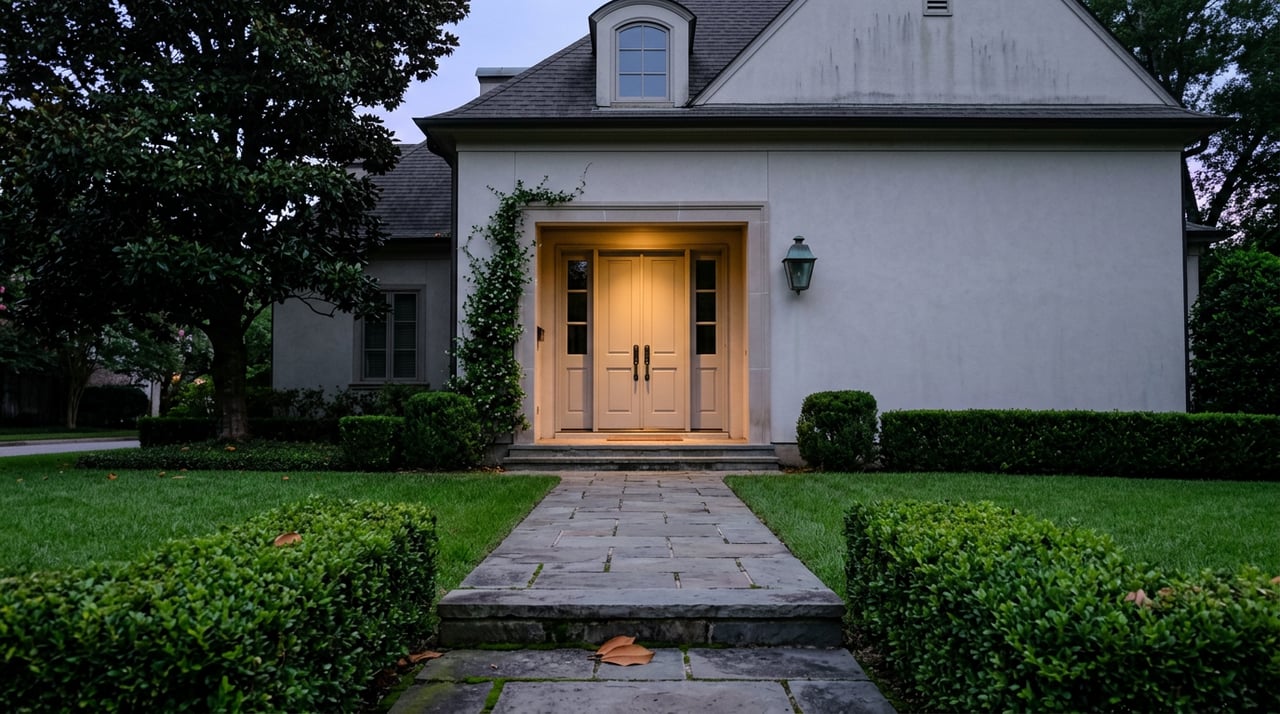
- Mid‑priced subdivisions: Across 1990s to 2010s communities like Traditions and similar neighborhoods, 3 to 4 bedroom homes are common. These areas often deliver yards, sidewalks and neighborhood amenities.
- Golf and luxury enclaves: Hasentree and comparable planned communities showcase larger homes and lots, club amenities and a luxury feel. Recent neighborhood reports have shown median listings near the high six figures to around seven figures, illustrating the upper tier in Wake Forest.
North Raleigh homes to expect
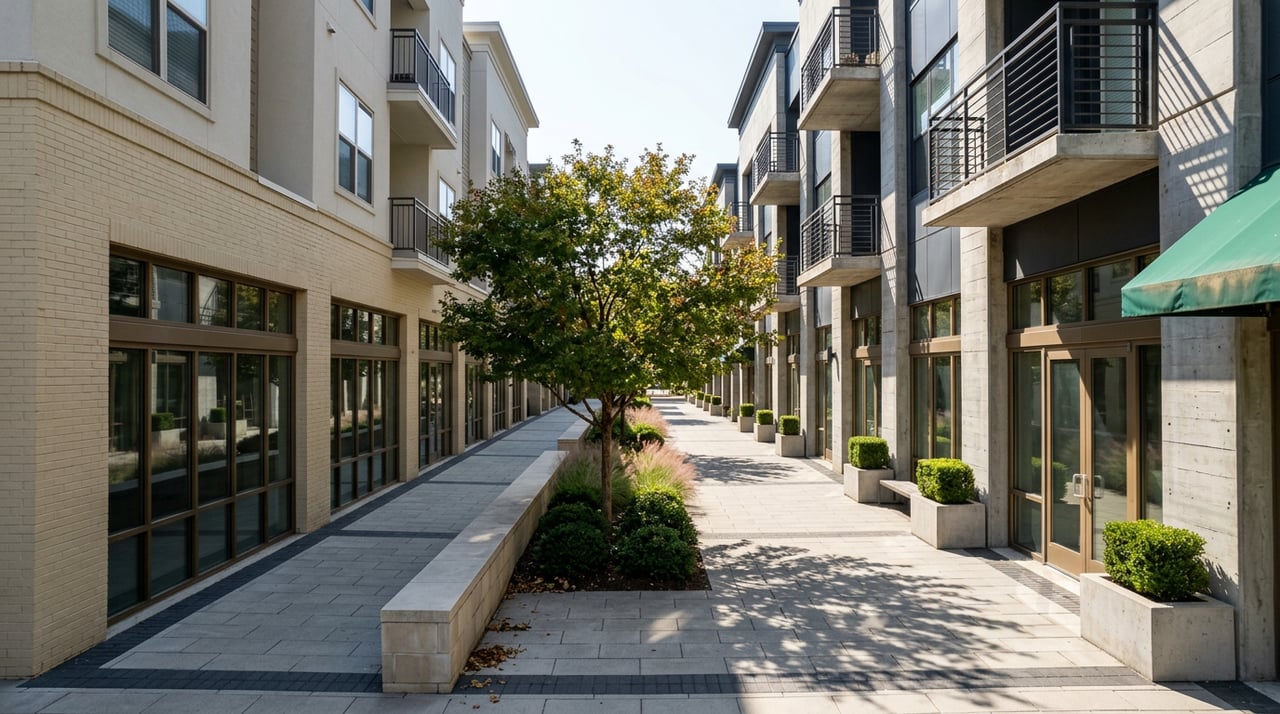
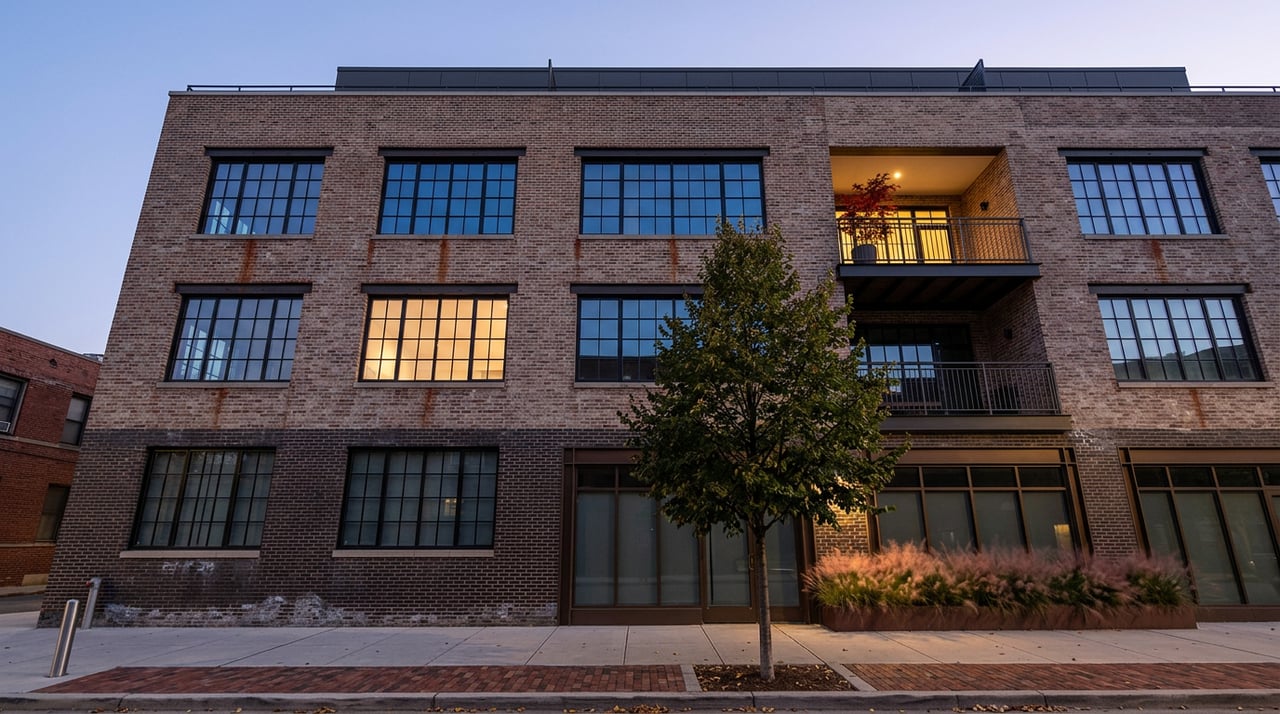
- North Hills and Midtown: If you want lower‑maintenance living, North Hills offers condos, townhomes and apartments woven into a mixed‑use district with shops, dining and events. Explore the district at the North Hills Innovation District site.
- Established single‑family neighborhoods: Many 1990s to 2000s tracts feature detached homes on moderate lots, with renovation and infill options in select pockets. Inner‑north streets near Falls of Neuse or Six Forks often command higher prices.
Bottom line: If you prioritize a yard and newer master‑planned settings, Wake Forest often rises to the top. If you want a condo or townhome near dense retail and entertainment, North Raleigh likely offers more immediate choices.
Parks, greenways and the outdoors
Wake Forest highlights
- E. Carroll Joyner Park: At about 117 acres, Joyner Park is a local favorite for paved trails, open meadows, an amphitheater and community programming. It is a standout if you value an in‑town park with room to roam. Learn more from the town’s Joyner Park overview.
- Falls Lake State Recreation Area: Multiple access points near Wake Forest unlock boating, fishing, hiking and campgrounds. If you want lake days close to home, this regional asset is a difference‑maker. See the Falls Lake State Recreation Area guide.
- Local greenways: Wake Forest maintains an expanding network intended to link neighborhoods to parks and schools. Off‑street trails are a plus for everyday walks and family rides.
North Raleigh highlights
- Capital Area Greenway network: North Raleigh connects to a web of paved trails that includes Shelley Lake, the Neuse River Trail and Crabtree Creek greenways. These links make it easy to run, ride or stroller‑walk without loading the car.
- William B. Umstead State Park: A Triangle classic for hiking, cycling and nature loops at the city’s edge. Explore trail context and park details through this Umstead overview.
Both areas appeal to outdoor lovers, but they deliver different experiences. Wake Forest combines a small‑town park system with quick access to a big reservoir. North Raleigh offers urban greenway connectivity and a major state park next door.
Everyday amenities and feel
Wake Forest daily life
Downtown Wake Forest centers around Main and White Street with locally owned restaurants, coffee shops and a popular farmers market. Regular community events such as Friday Night on White, the weekly market and seasonal festivals energize weekends and evenings. Check the town’s downtown events and activities to get a feel for the calendar.
For errands, you will find major grocery anchors like Harris Teeter and Publix, plus pharmacies and big‑box options within short drives. Healthcare access is strong across the Triangle, and WakeMed’s network, including its North campus, serves many Wake Forest residents. Explore system details at WakeMed.
North Raleigh daily life
If you like dense dining and entertainment, North Hills brings national and local restaurants, boutiques, a cinema and frequent events into a single walkable district. Crabtree offers additional regional shopping and dining, with ongoing reinvestment. Across North Raleigh you will also find a wide mix of grocery stores, specialty food markets and nearby medical office campuses, including major hospital providers in north and central Raleigh.
Quick chooser: which fits you
Choose Wake Forest if most of these ring true:
- You want a small‑town, walkable downtown with regular community events and a farmers market.
- You value large local park access plus a nearby lake for boating, hiking and camping.
- You prefer single‑family living in newer master‑planned neighborhoods or golf‑course communities.
- You can accept a somewhat longer average commute to central Raleigh or some RTP locations.
Choose North Raleigh if these are your top priorities:
- You want shorter typical drives into many Raleigh job centers with quick access to I‑440 and I‑540.
- You prefer lower‑maintenance condos or townhomes near mixed‑use retail and entertainment hubs.
- You like having a broad selection of restaurants, shops and services within a few minutes of home.
Pro tip: List your top three must‑haves. If yard space, a small‑town downtown and lake access dominate, lean Wake Forest. If commute efficiency and walk‑to‑dining convenience top the list, lean North Raleigh.
Commute planning tips
- Map your exact endpoints. Test live traffic for your real commute window on two weekdays. Watch the impact of US‑1/Capital Boulevard, Falls of Neuse Road, I‑540 and the Beltline.
- Try a reverse‑commute test. If you often leave work late, run a check at that time. Travel times can shift a lot outside standard peaks.
- Consider hybrid schedules. If you are in the office three days a week, a slightly longer commute may be offset by a home that fits your lifestyle the other four days.
How we can help
There is no one‑size‑fits‑all answer, but there is a right answer for you. Our team combines neighborhood‑level knowledge with a calm, data‑informed approach so you can choose with clarity. If you are ready to compare homes in Wake Forest and North Raleigh side by side, we will tailor a short list that fits your commute, lifestyle and budget.
Connect with Hodge & Kittrell Sotheby’s International Realty to start a focused, no‑pressure conversation and tour the neighborhoods that fit you best.
FAQs
How long is the commute from Wake Forest to downtown Raleigh?
- It is roughly 17 to 19 miles. Off‑peak can be about 20 to 30 minutes. Peak hours often run 35 to 60 minutes or more depending on US‑1/Capital Boulevard, I‑540 and the Beltline. See distance context at Travelmath.
Is North Raleigh usually better for RTP commutes?
- Often yes, because many neighborhoods connect more directly to I‑440 and I‑540, which can reduce average drive times to parts of RTP. Actual times vary by address and time of day, so test your specific route.
What can I expect around a $500K budget?
- As of early 2026, Wake Forest often offers mid‑priced single‑family homes in established subdivisions at this level, while North Raleigh may present townhomes, condos or smaller single‑family options. Pricing shifts by neighborhood, so check current data when you are ready to tour.
Where can I walk or bike without driving far?
- In Wake Forest, start with E. Carroll Joyner Park and town greenways. In North Raleigh, tap the Capital Area Greenway network and William B. Umstead State Park for extensive trails and loops.
Does Wake Forest have year‑round downtown events?
- Yes. The town hosts Friday Night on White concerts, a weekly farmers market and seasonal festivals along Main and White Street. Browse the latest schedule on the town’s events page.