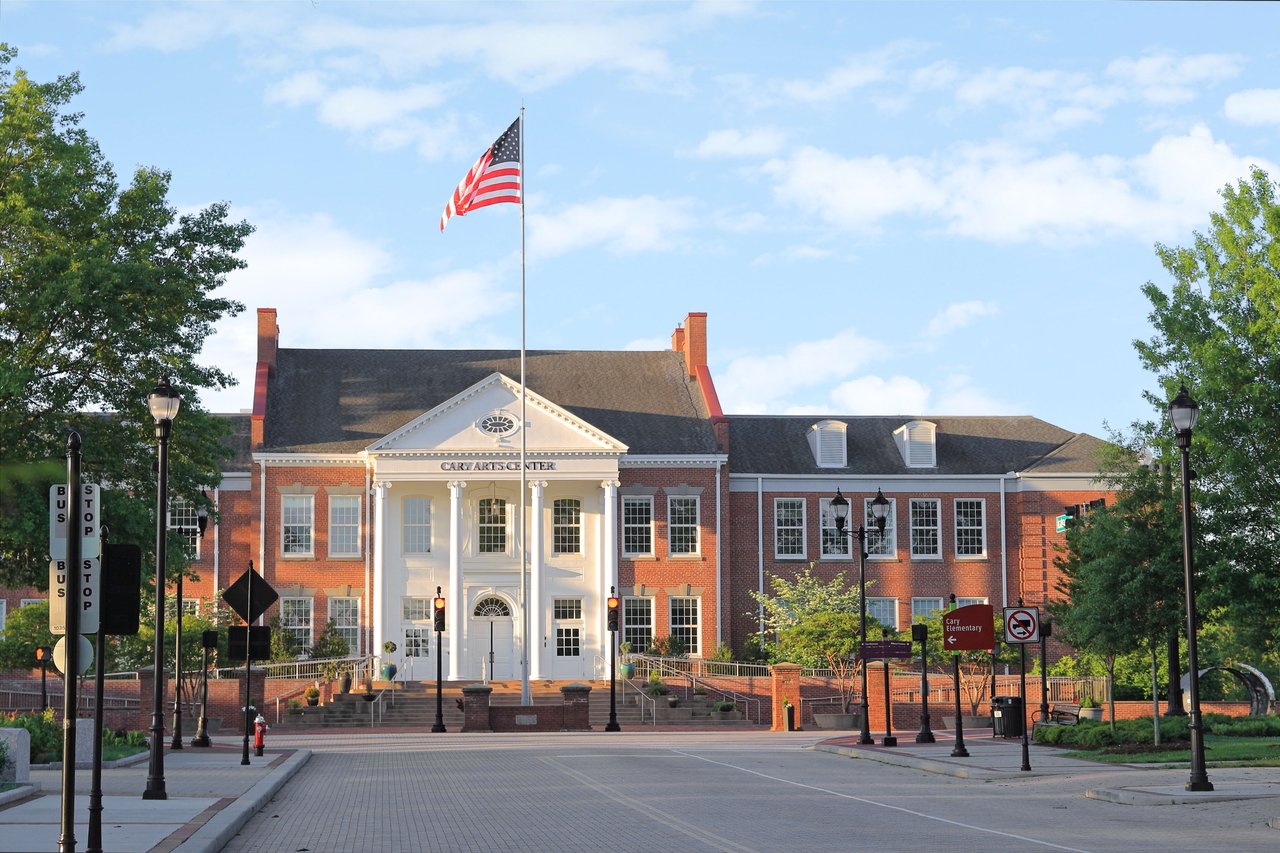
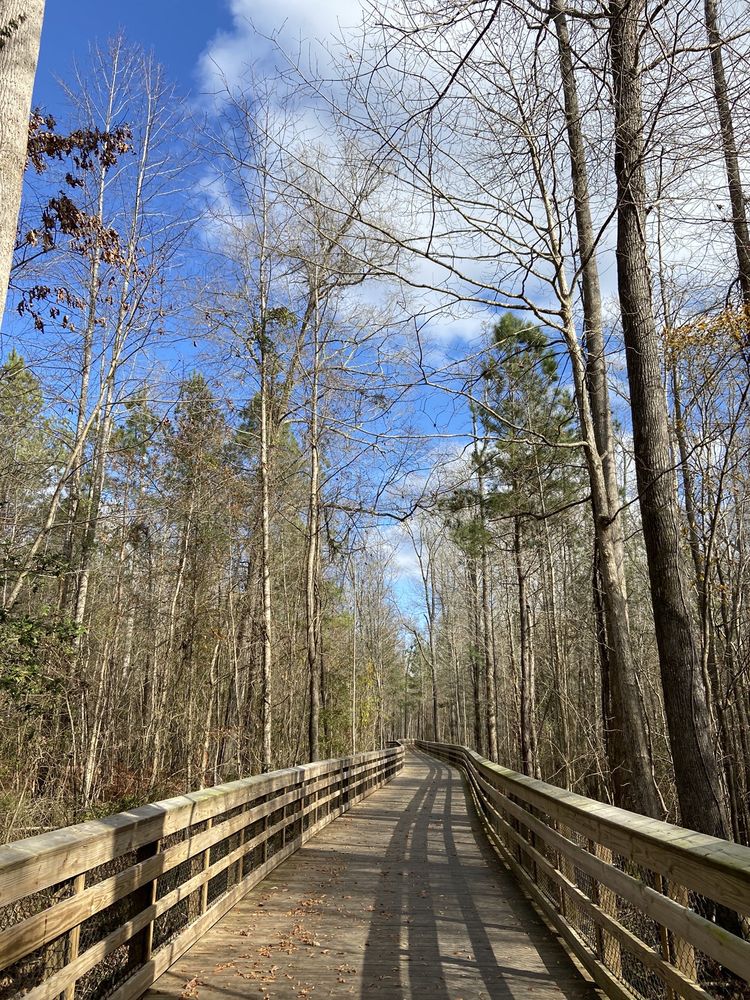
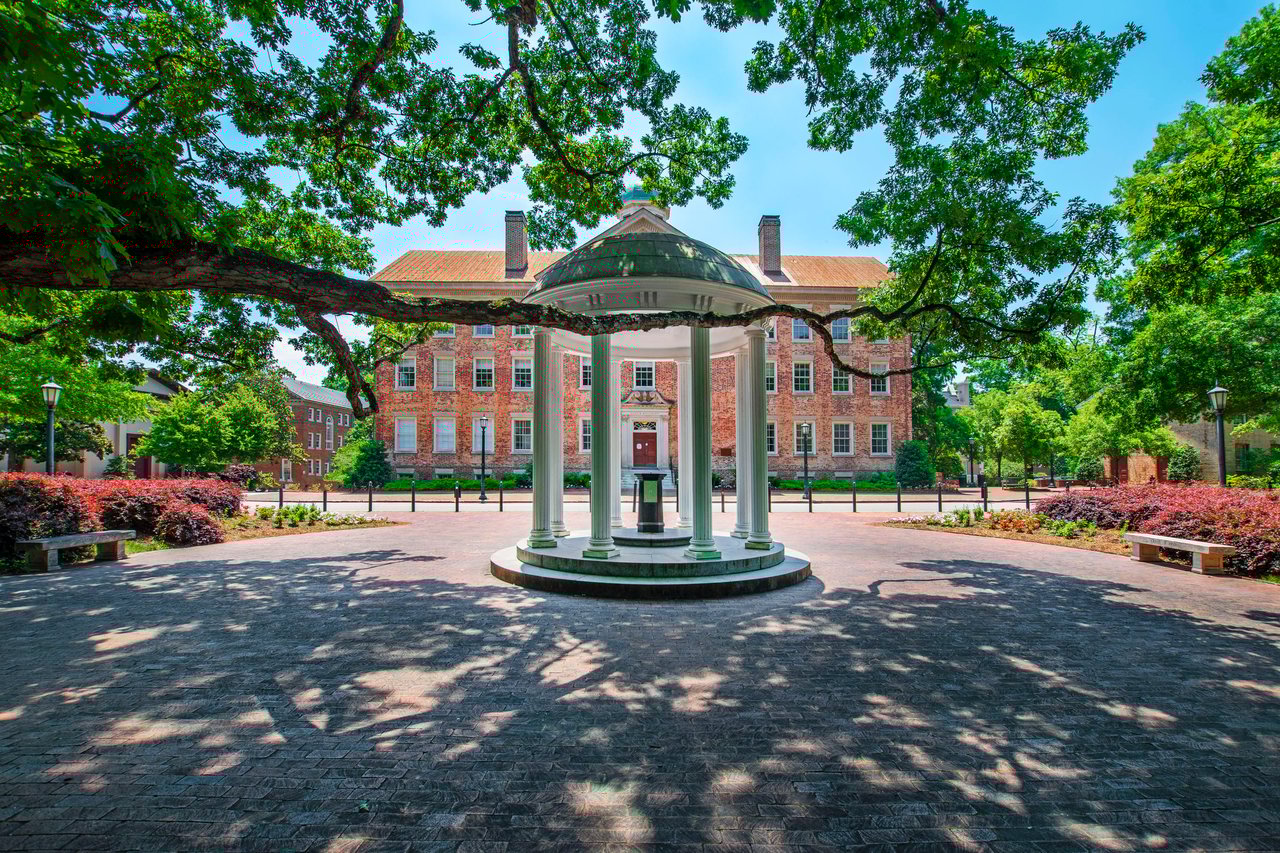
Welcome to Cary
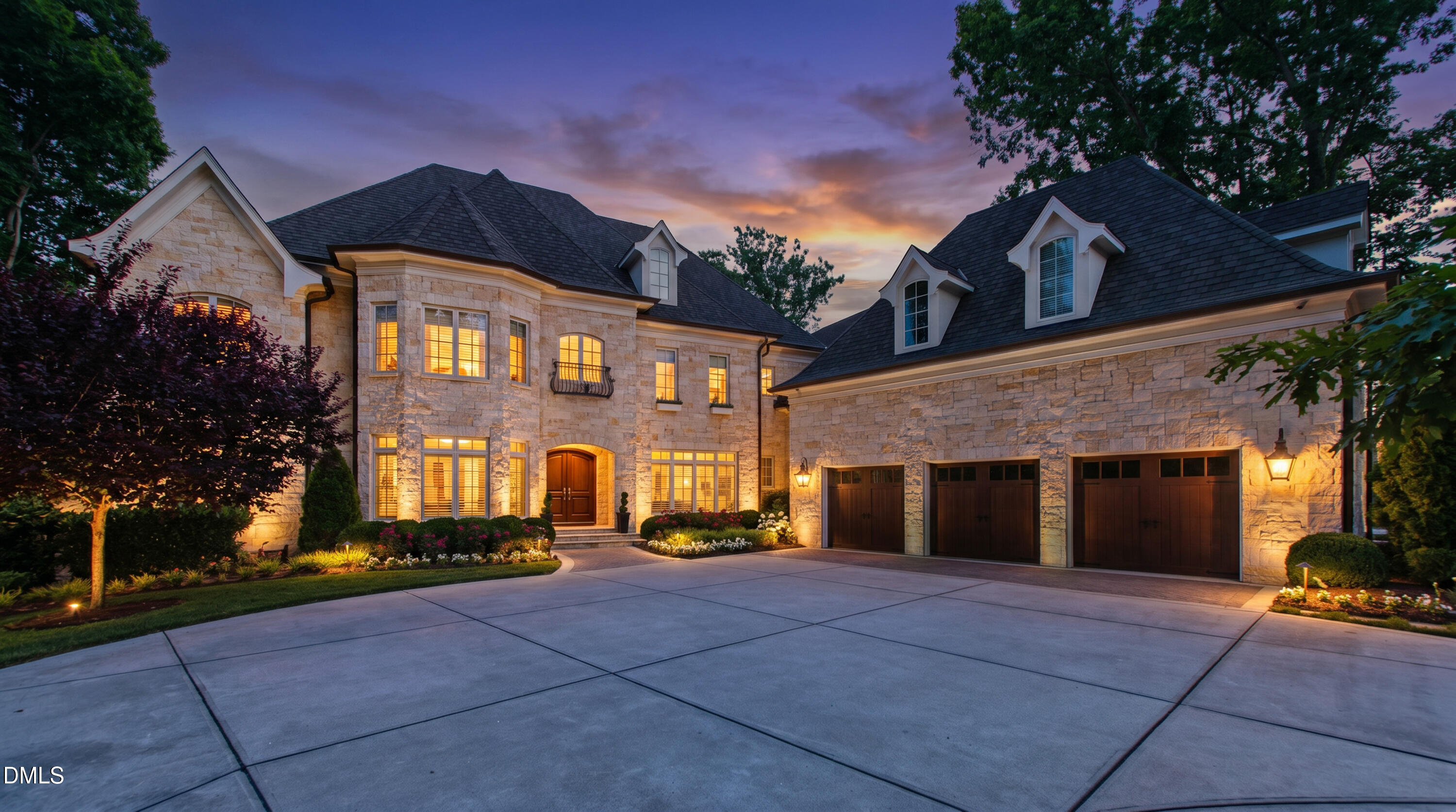
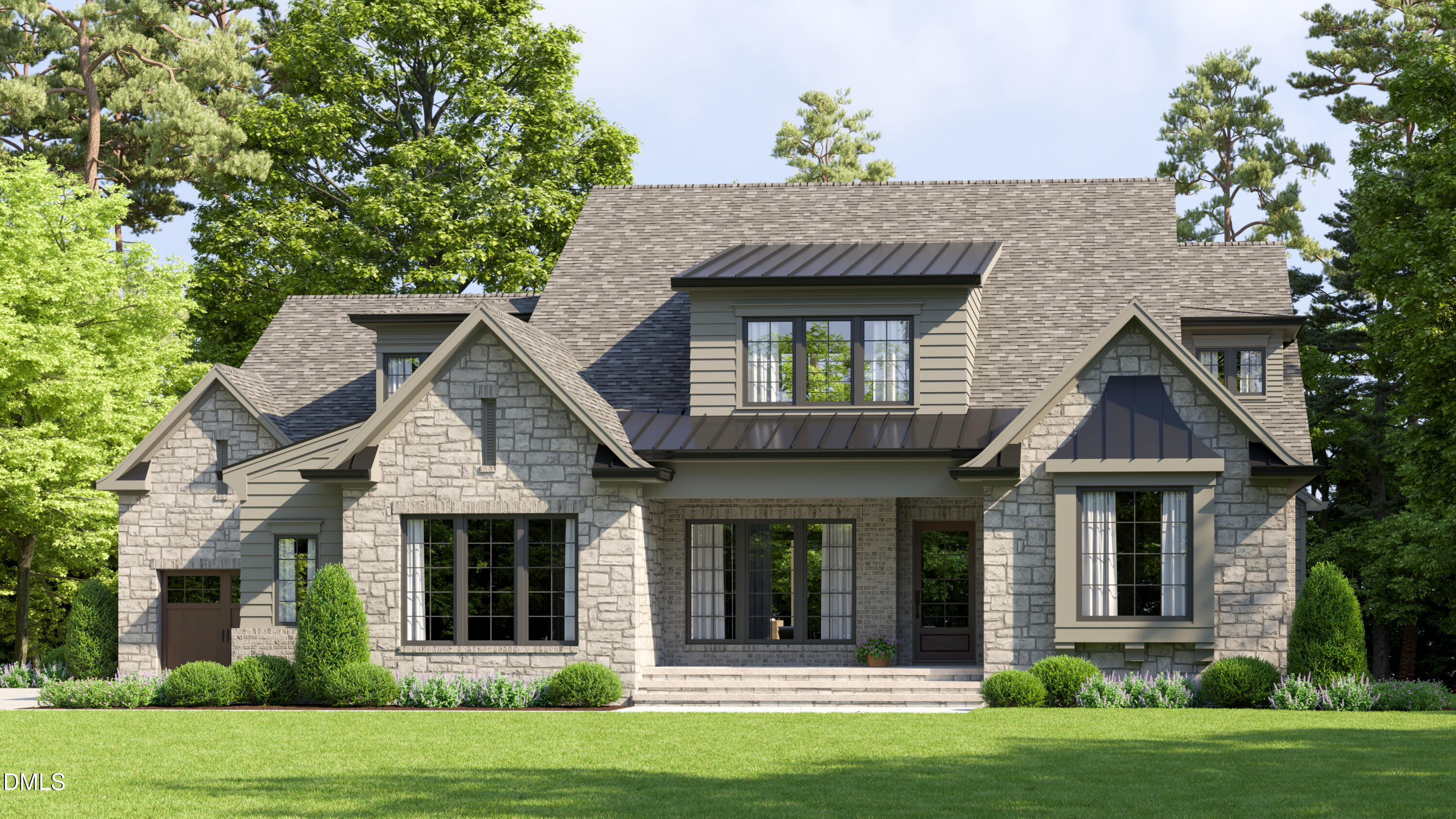
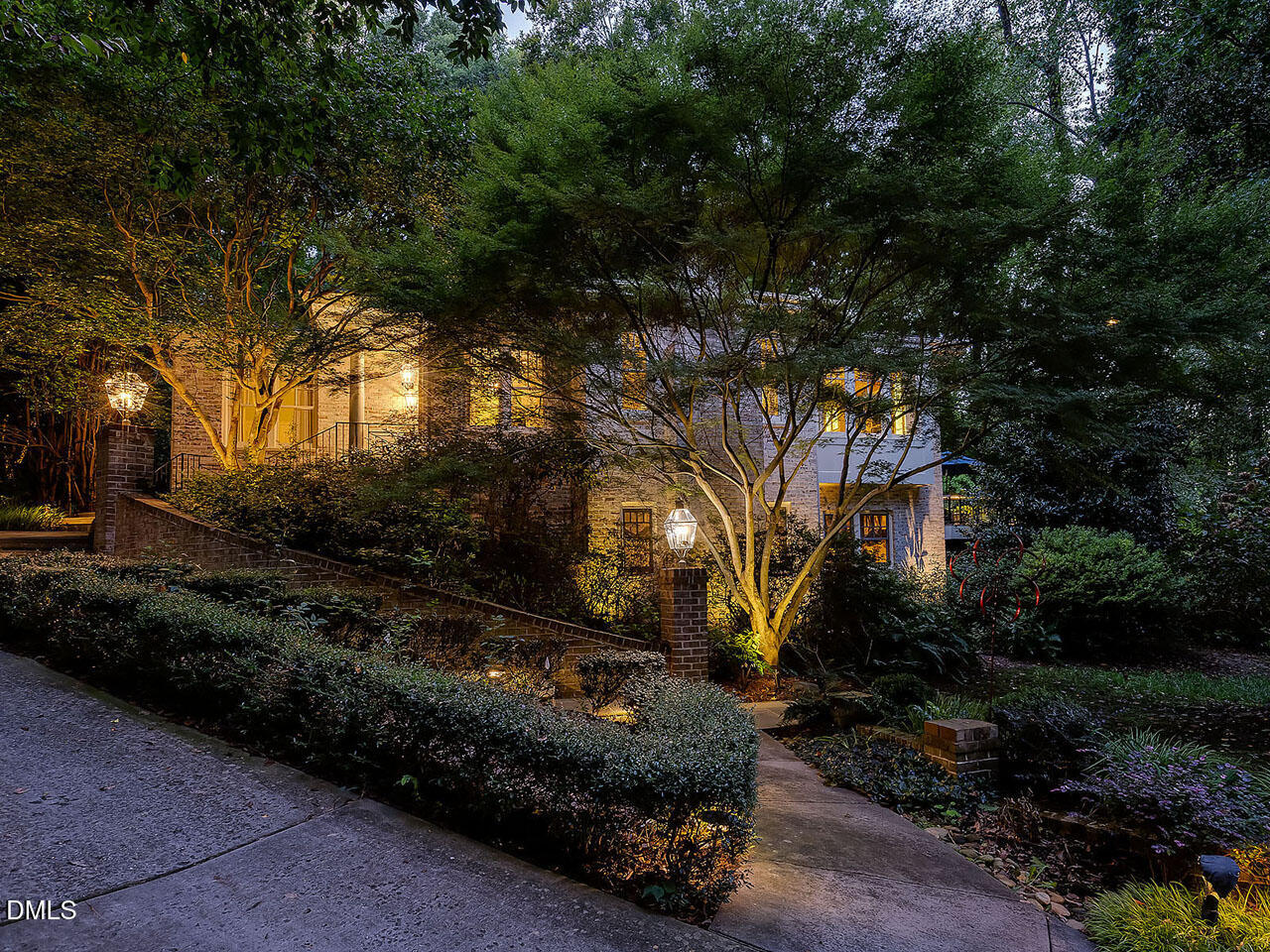
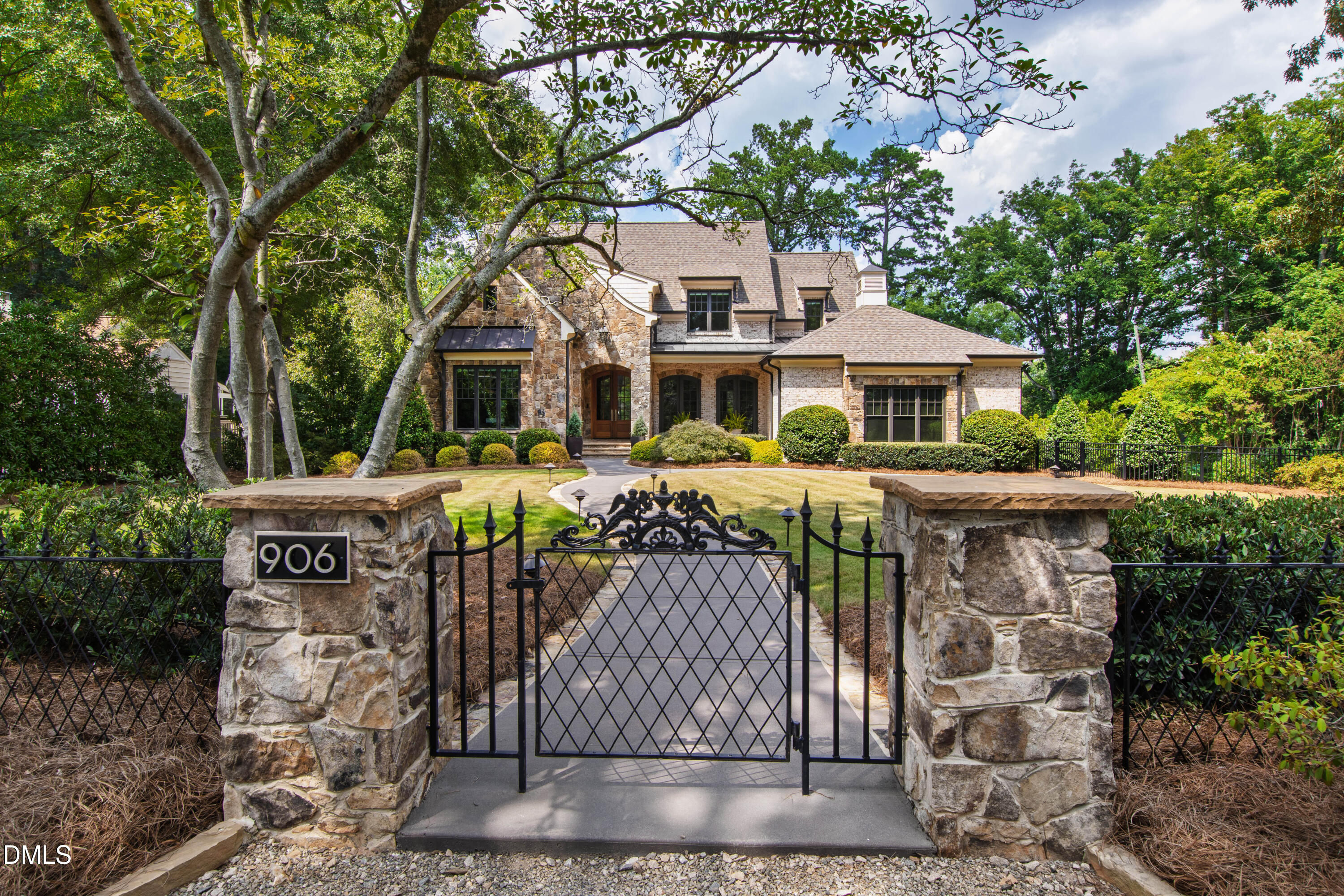
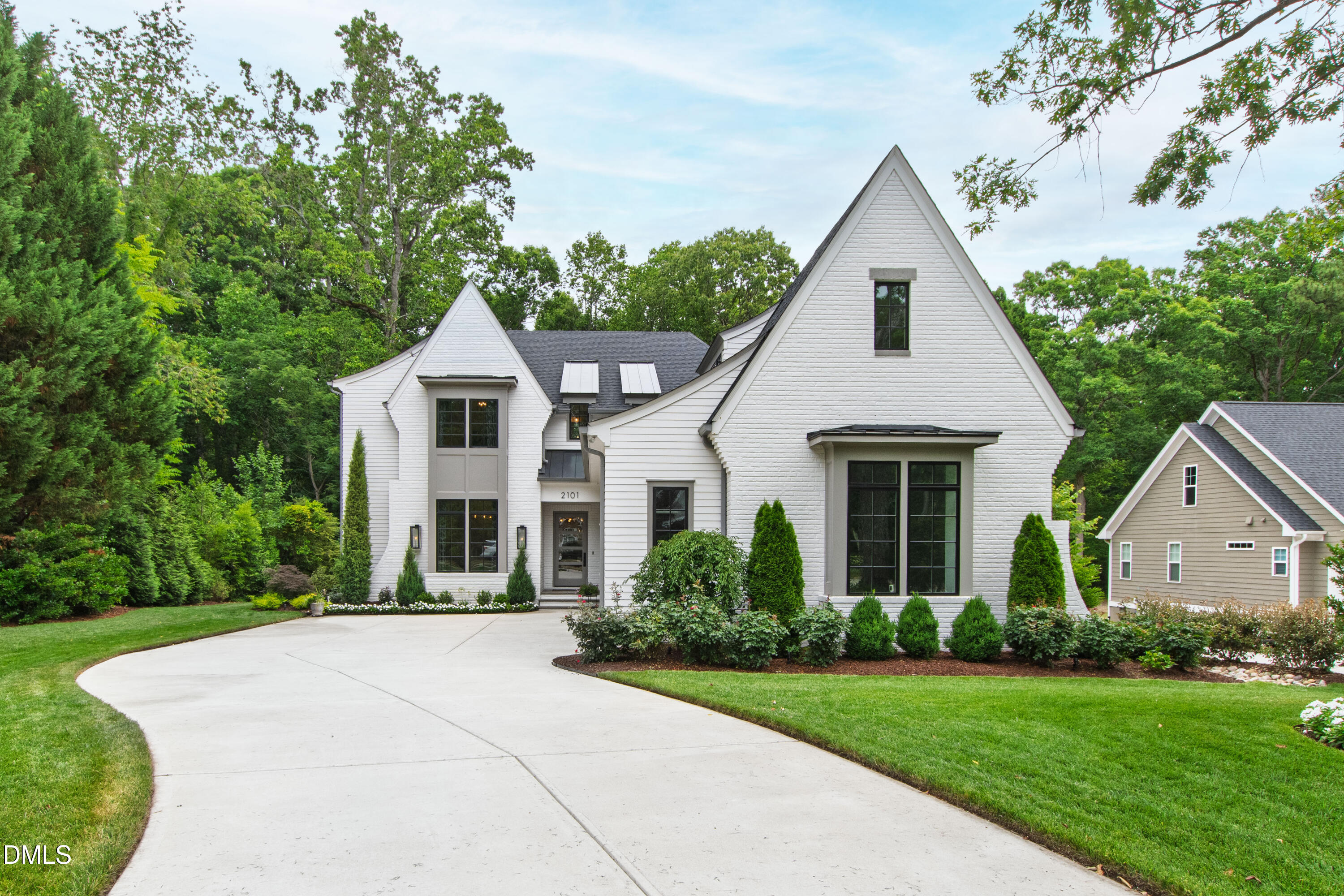
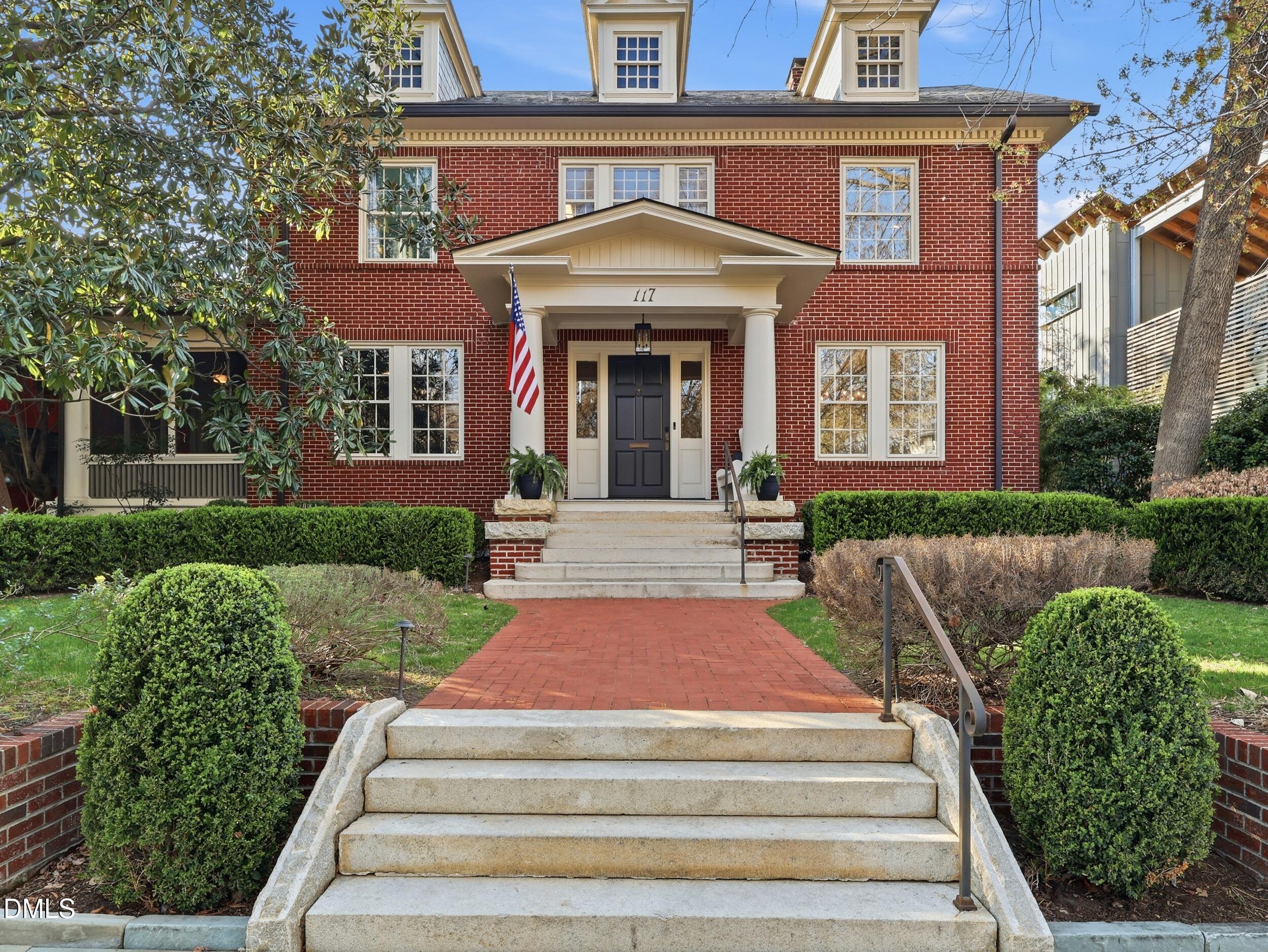
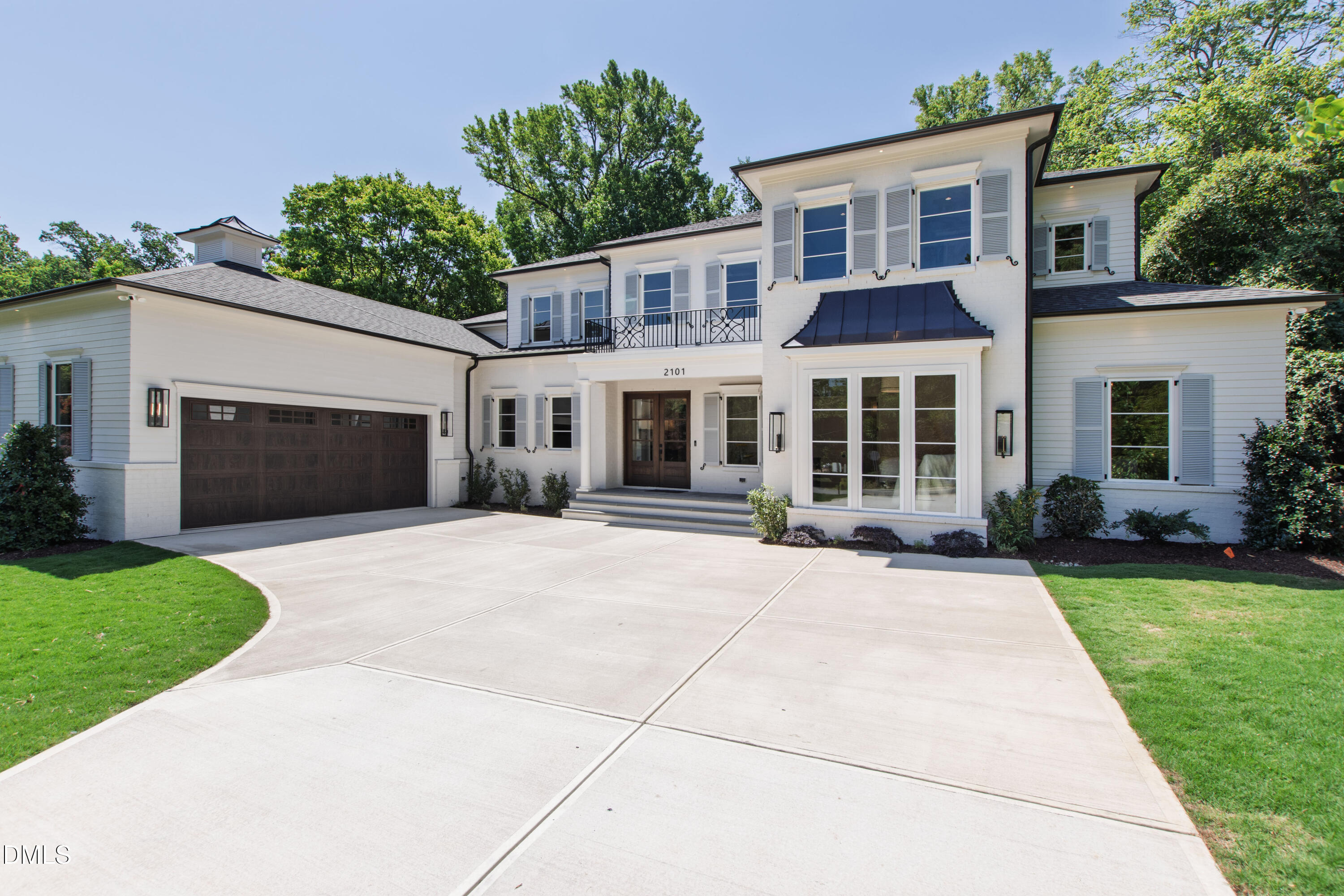
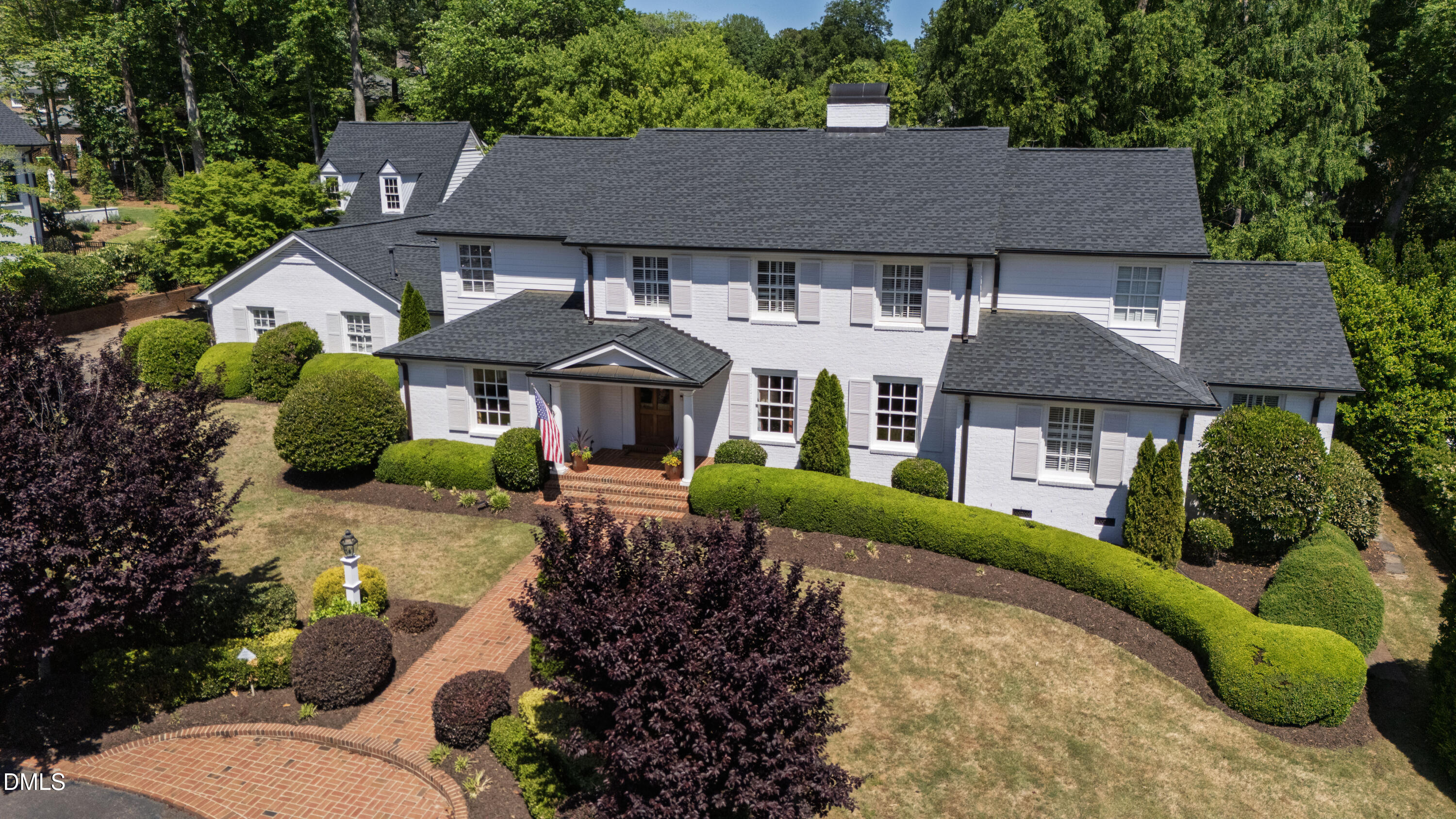
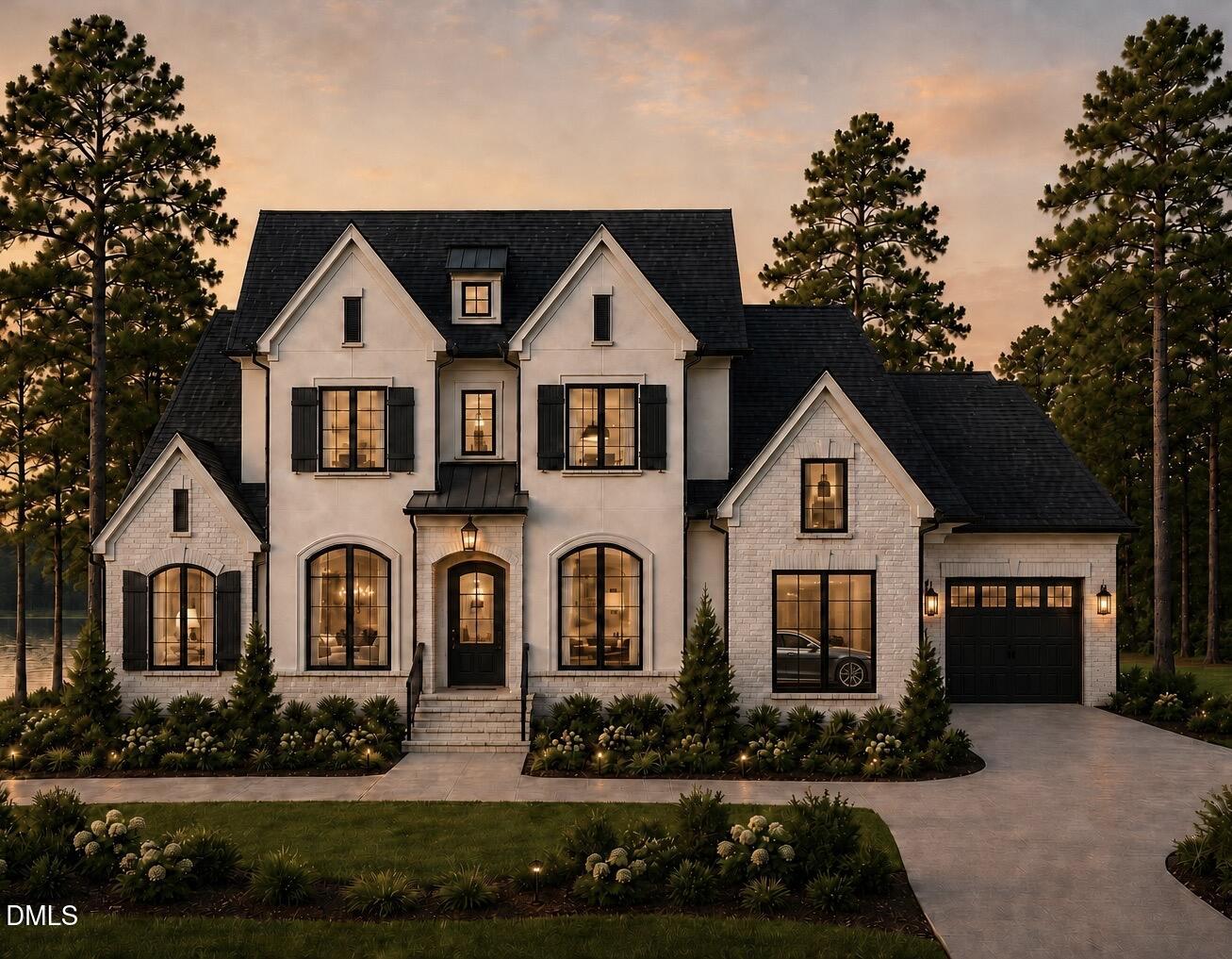
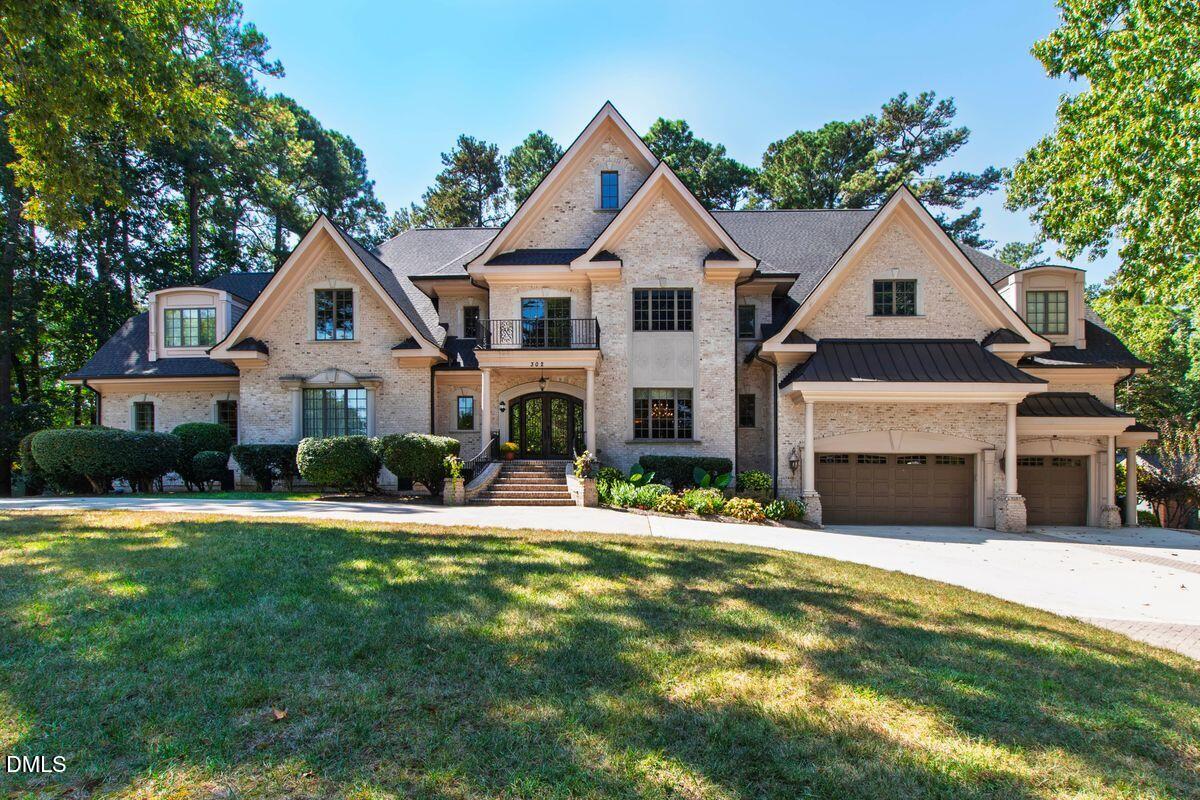
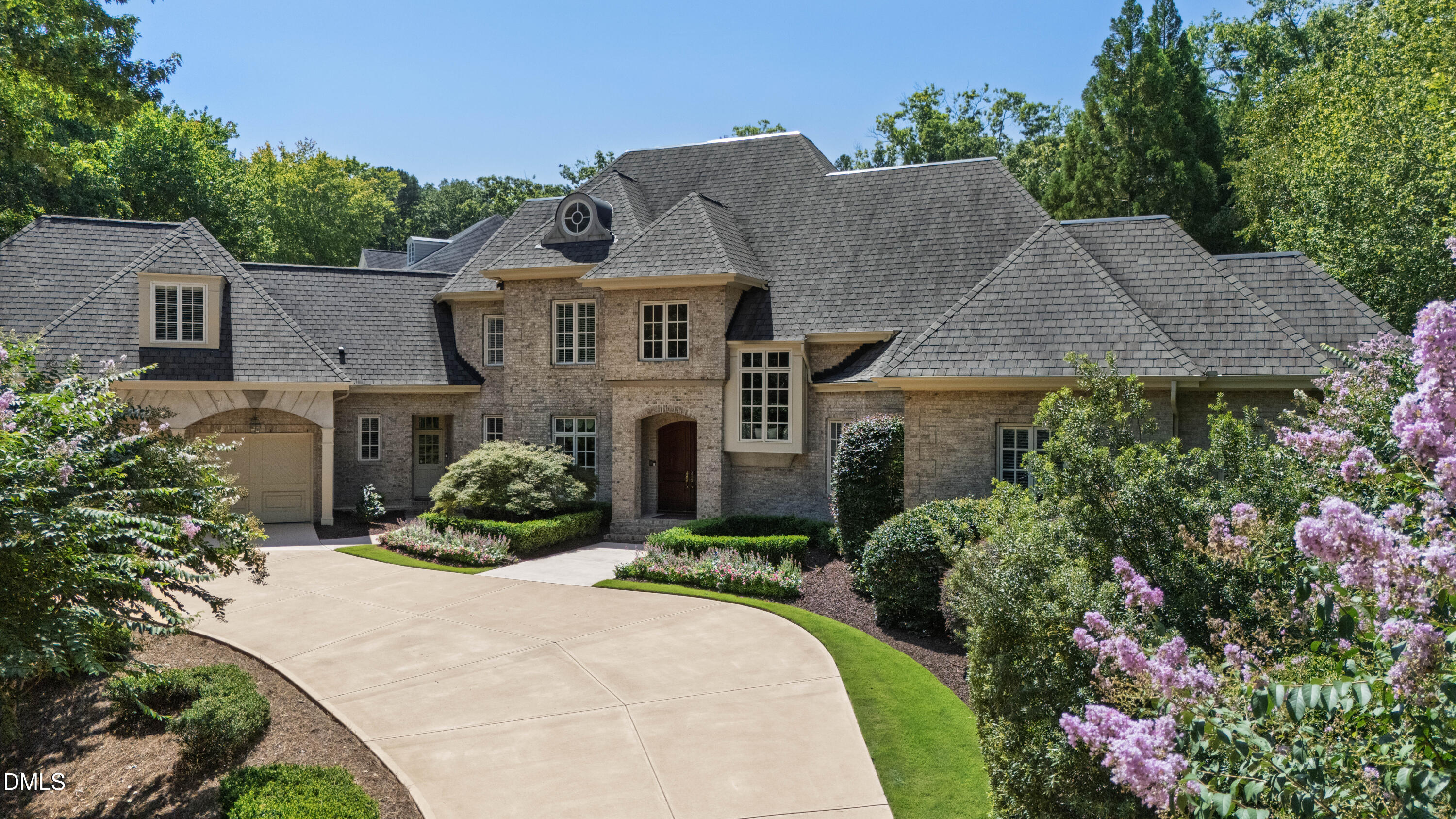
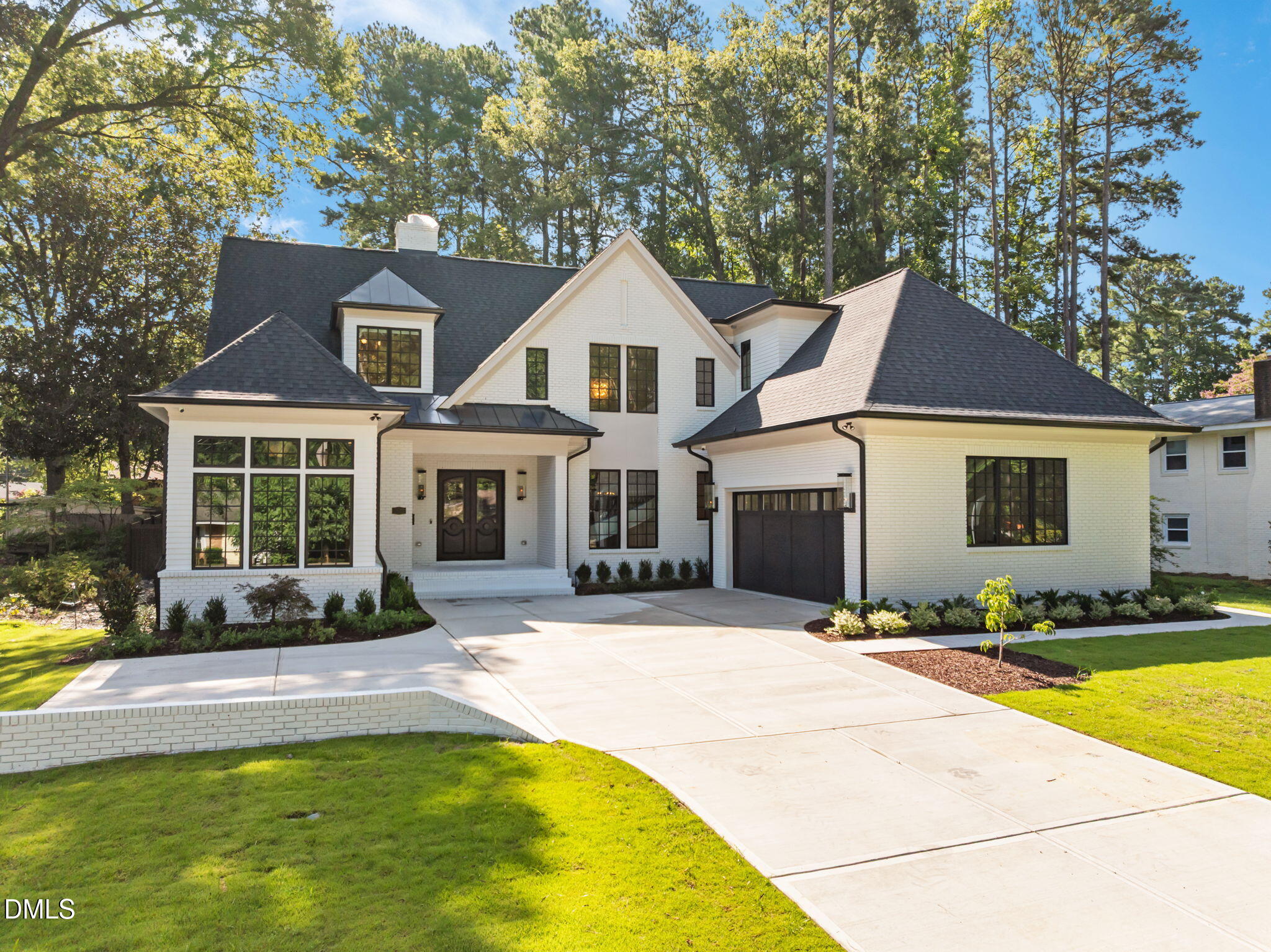
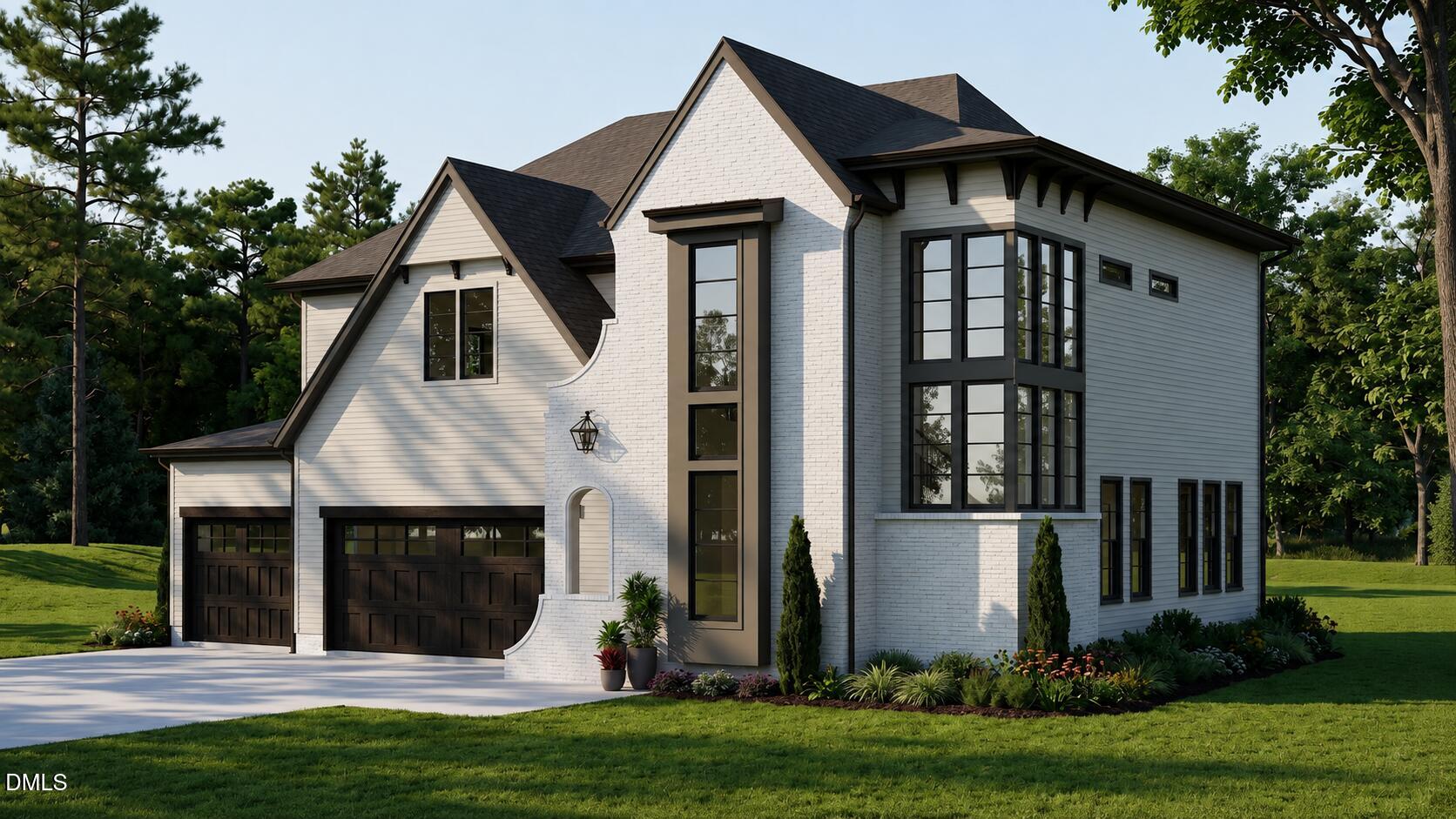
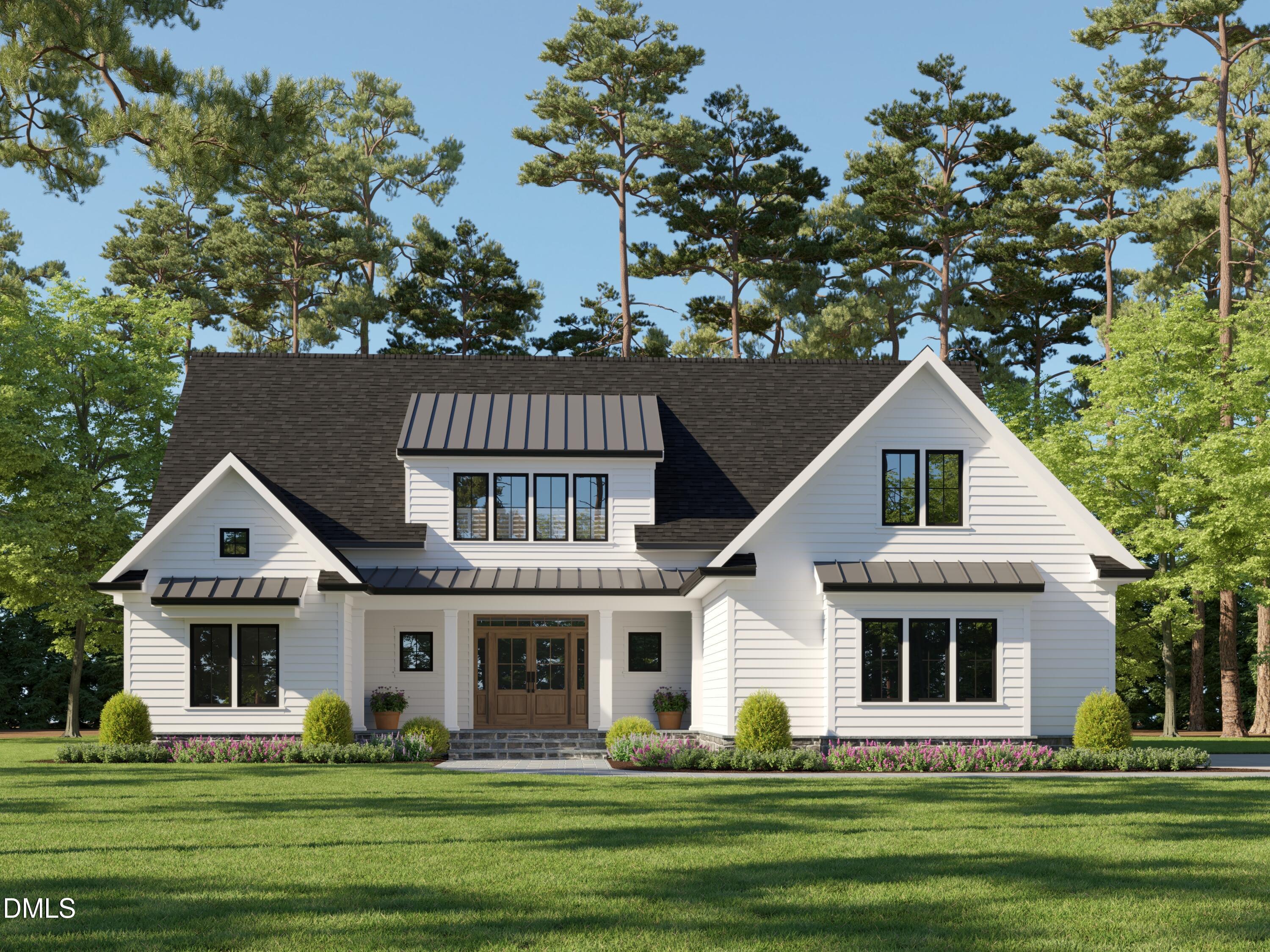
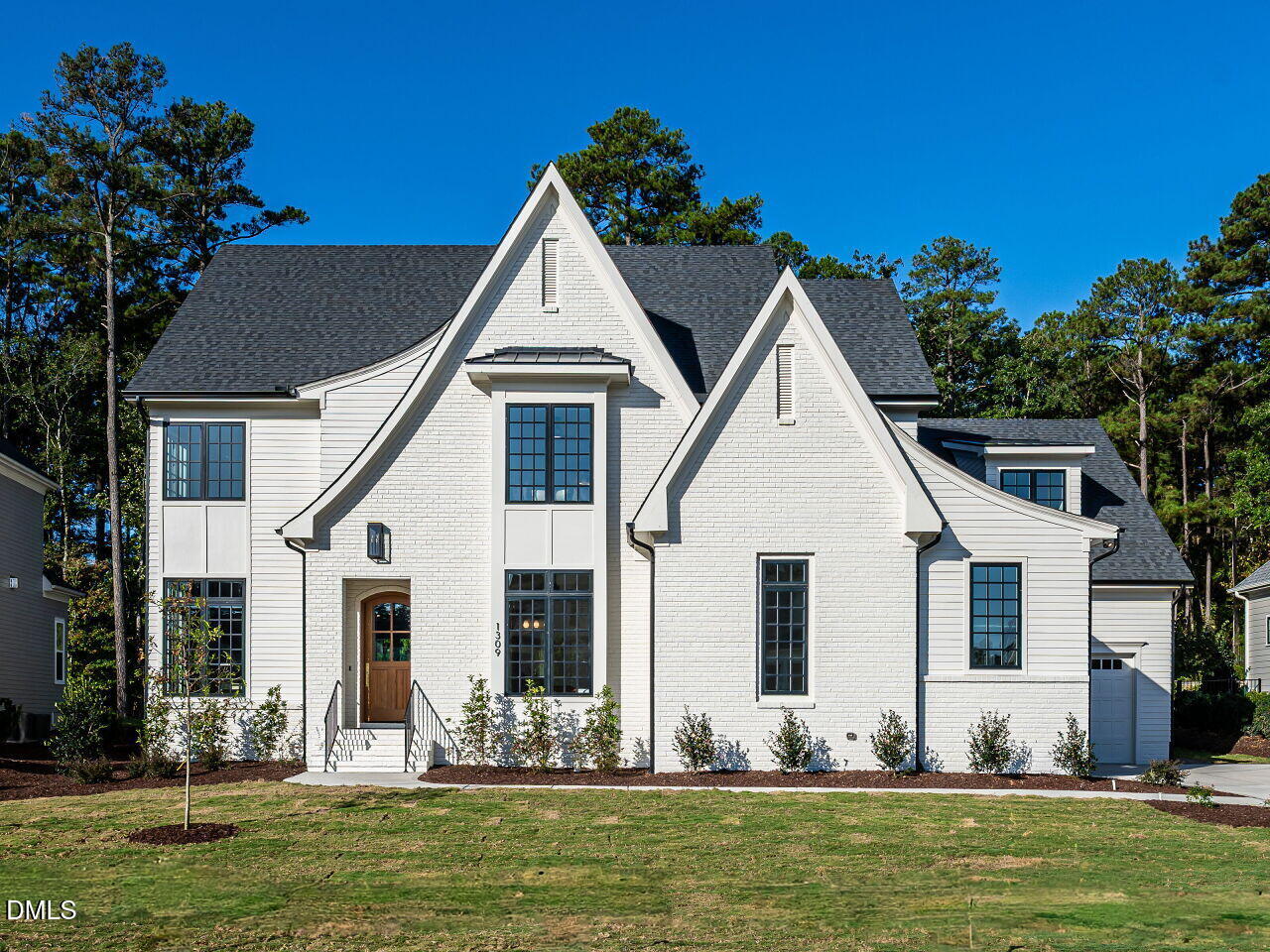
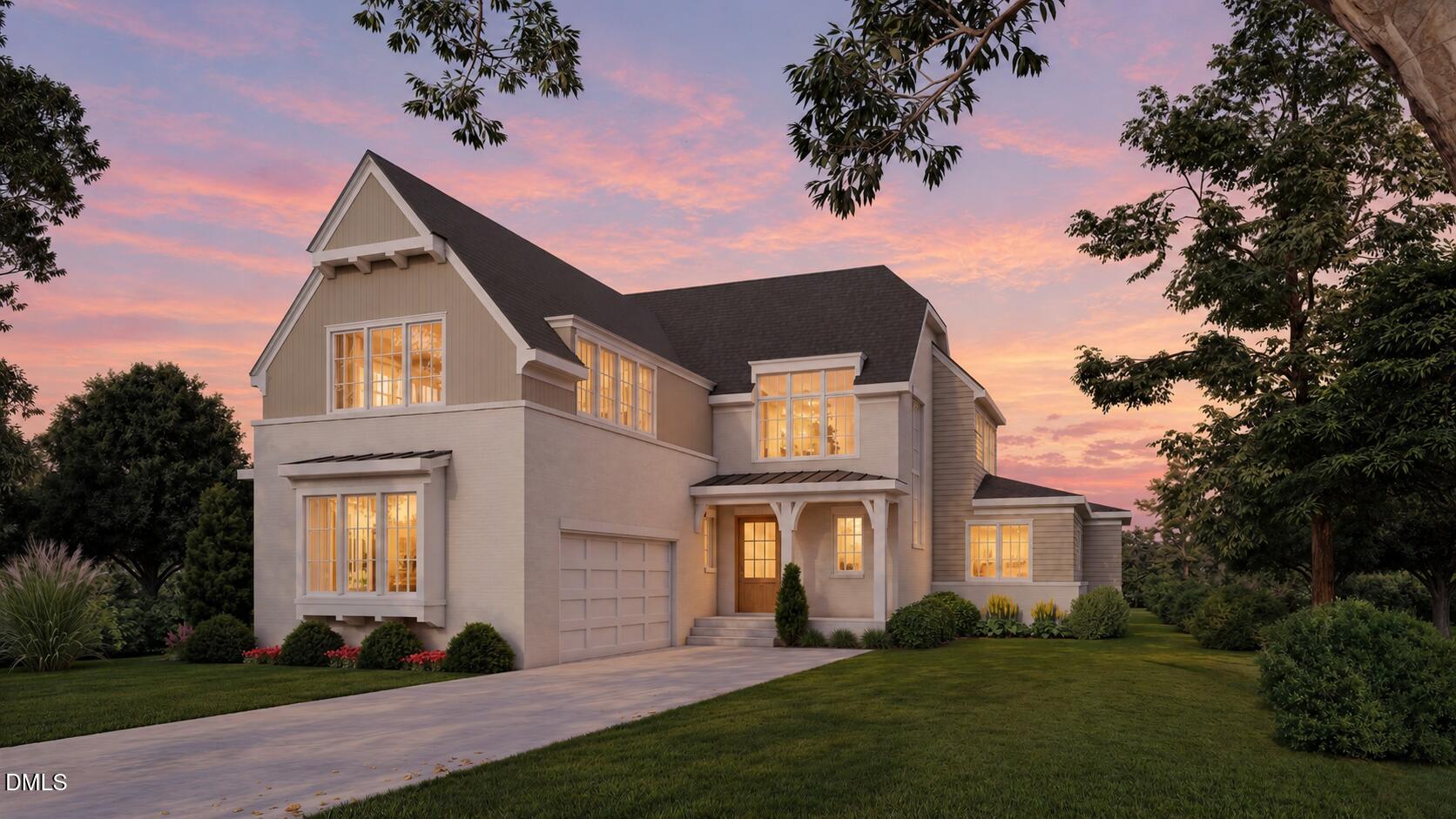
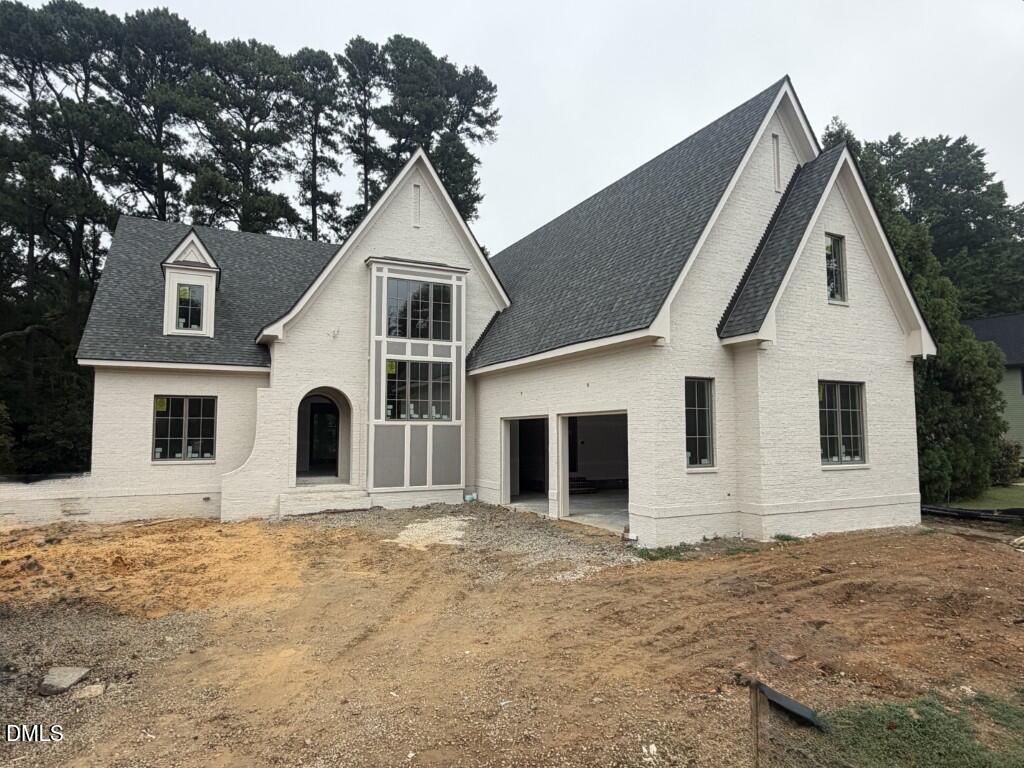
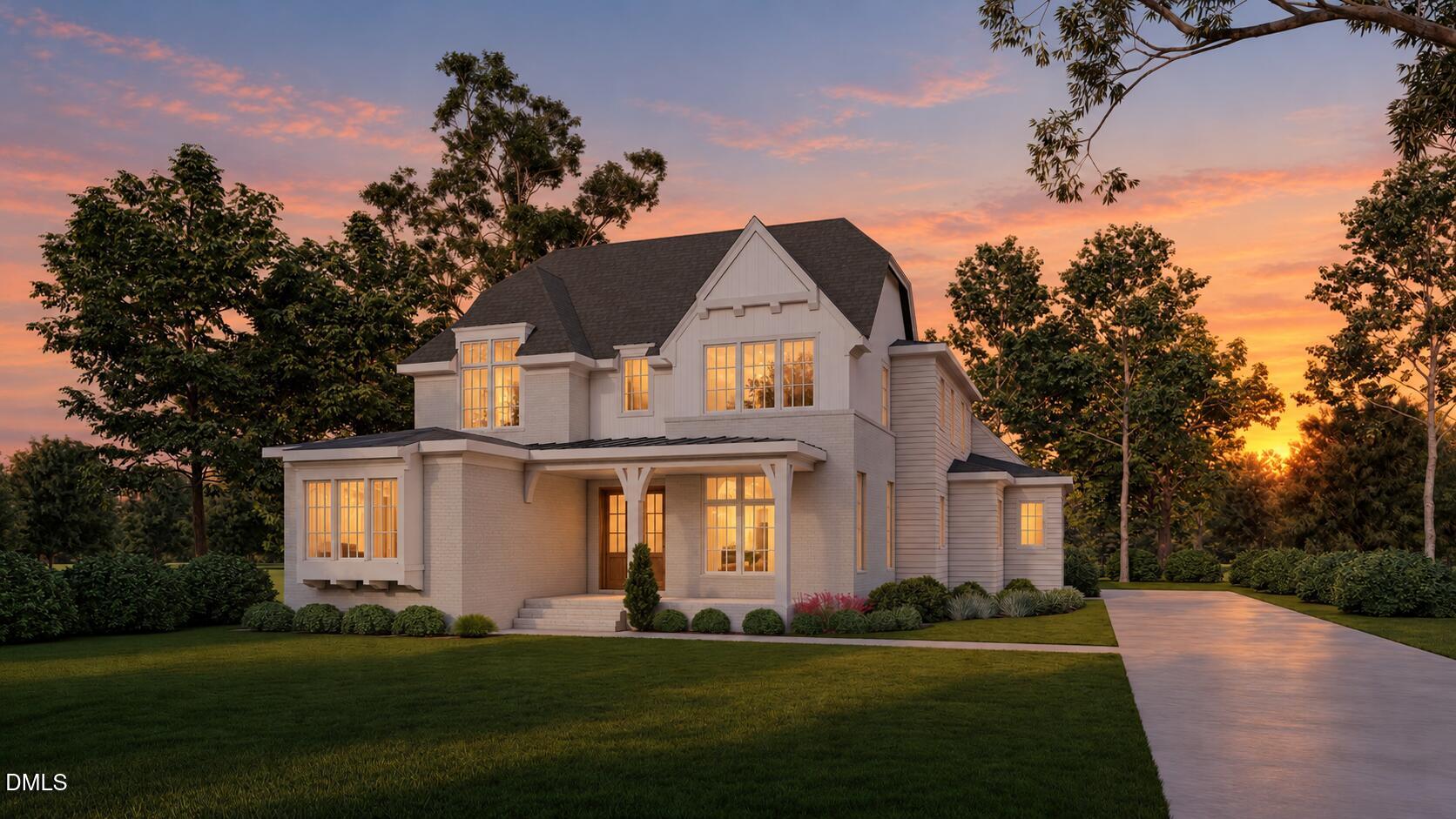
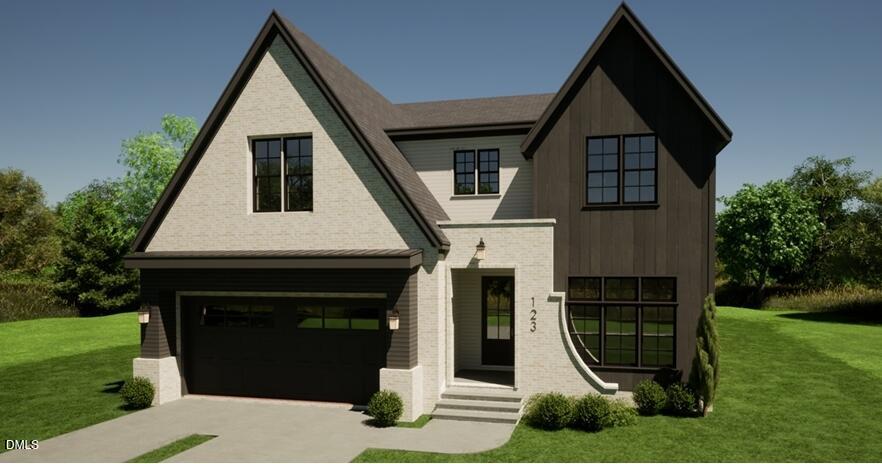
Cary's real estate landscape is also home to some of the most desirable, master-planned properties in the Research Triangle.
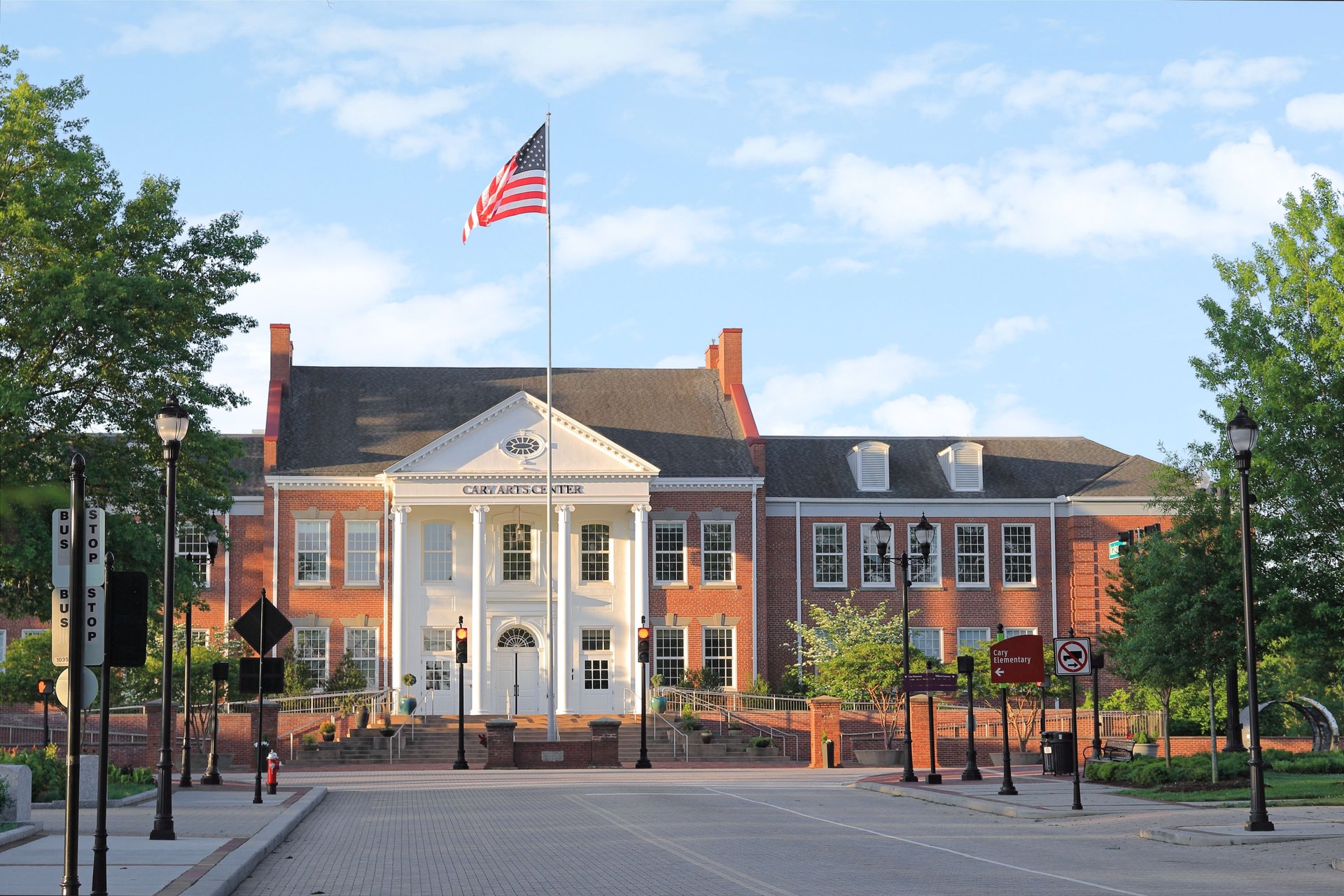
Cary, North Carolina – Community Overview & Real Estate Guide
Known as a model of master-planned suburban living, Cary blends top-ranked schools, corporate employment, and an increasingly walkable downtown with the everyday convenience of the Research Triangle. As Wake County's second-largest town and a cornerstone of the Raleigh–Durham–Cary metro, Cary offers a powerful mix of career opportunity, educational excellence, and family-friendly amenities. Its balanced lifestyle, master-planned communities, expansive parks and greenways, and a growing food and arts scene downtown—makes it a top choice for professionals, families, and retirees alike.
Overview of Cary, NC
Cary sits primarily in Wake County (with a small portion extending into Chatham County) just southwest of Raleigh. Its location along I-40, US-1, and NC-540 connects residents to Research Triangle Park, downtown Raleigh, and Raleigh–Durham International Airport within about 20 minutes. Home to major employers like SAS Institute, and consistently ranked among the safest and best-run towns in the country, Cary is the 7th-largest municipality in North Carolina. Neighborhoods range from golf-course communities like Preston and MacGregor Downs to walkable, revitalized Downtown Cary, each offering a distinct lifestyle and price point.
Key Facts about Cary, NC | |
|---|---|
Area | Approx. 55–57 sq miles |
County | Wake County (with a small portion in Chatham County) |
Established | 1871 (incorporated as a railroad town) |
Population (2026 est.) | ~184,000–185,000 (7th-largest city in North Carolina) |
Nearby Parks & Greenways | Fred G. Bond Metro Park; Lake Crabtree County Park; Lake Johnson; 100+ miles of paved greenways |
Main Roads | I-40; US-1; US-64; NC-54; NC-540 |
Cary offers the best of both worlds: a stable, corporate-and-tech-driven economy and a family-friendly suburban lifestyle rooted in parks, greenways, and a revitalized downtown. Whether you're seeking a golf-course estate in Preston, a resort-style home in Amberly, or a walkable townhome near Downtown Cary, Cary remains one of the Triangle's most consistently in-demand real estate markets.
Location & Connectivity in Cary
Cary sits at the heart of the Research Triangle, directly southwest of Raleigh. Its central location offers direct access to Research Triangle Park, Raleigh, and Durham, with Raleigh–Durham International Airport (RDU) just a short drive away. The town's corporate job base (anchored by SAS Institute), top-ranked schools, and consistent recognition as one of the best-run and safest towns in the country make it one of the most in-demand suburban markets in the Southeast.
Day-to-day mobility in Cary is supported by major interstates, the GoCary local bus system, regional GoTriangle service, an Amtrak station downtown, and one of the most extensive greenway networks in the state. Residents can easily commute by car, bike, or transit, while national and international connections are handled through RDU Airport.
Connectivity & Transportation — Cary, NC | |
|---|---|
Location Map & Overview of Cary | Suburban town in Wake County, directly southwest of Raleigh. Anchors the western side of the Research Triangle with proximity to RTP, Apex, and Morrisville. Served by I-40, US-1, US-64, and NC-540. |
Nearby Areas & Communities around Cary |
|
Attractions & Points of Interest in Cary |
|
Public Transport in Cary |
|
Road Access & Main Highways |
|
Parking in Cary | Public parking decks and street parking in Downtown Cary, plus ample surface parking at shopping centers and business parks throughout town. |
Walking & Cycling in Cary | Cary is a designated bicycle-friendly community with over 200 miles of combined greenways and on-road bike facilities, plus more than 100 miles of paved greenway trails and nearly 500 miles of sidewalks connecting neighborhoods, parks, and schools. |
Taxi & Ride Apps | Uber and Lyft widely available; local shuttle and rideshare services also operate citywide. |
Airport Access in Cary |
|
Cary's central location in the Research Triangle delivers strong connectivity, whether by car, transit, bike, or air travel. With a growing network of local and regional transit, major interstates, and access to one of the South's busiest airports, Cary offers convenience for both daily living and global travel.
Cary Real Estate Market Trends (2026)
Cary's housing market remains one of the most consistently competitive in the Triangle, supported by top-ranked schools, a strong corporate job base, and steady in-migration. As of Q2 2026, the town's median sale price is about $630K (Redfin, trailing 3 months through May 2026), down modestly (about 1.6%) year-over-year, with a median price per sq. ft. near $268. Zillow's broader home-value index puts the typical home value closer to $600K. Homes are taking somewhat longer to sell than in the ultra-tight pandemic-era market, typically around 22–47 days depending on the data source and season—and Redfin scores the market 81/100 for competitiveness, with homes still receiving roughly 2 offers on average. Golf-course and master-planned communities such as Preston, Amberly, and MacGregor Downs trend well above the town median, while neighborhoods like Carpenter Village and parts of East Cary offer relatively more affordable entry points.
Property Type | Median Price (USD) | Price per Sq.Ft (USD) | Average Rent (USD/month) | Rental Yield |
|---|---|---|---|---|
2BR Condo | $420,000 (est.) | $268 | $1,900 | 5.4% (est.) |
2BR Townhome | $475,000 (est.) | $268 | $2,100 | 5.3% (est.) |
3BR Single-Family Home | $625,000 (est.) | $268 | $2,600 | 5.0% (est.) |
4BR Single-Family Home | $800,000 (est.) | $268 | $3,300 | 4.9% (est.) |
Methodology & notes: Townwide median sale price ($630K, trailing 3 months through May 2026) and $268/sq.ft. based on Redfin. Zillow's Home Value Index put the typical Cary home value at approximately $600K as of May 2026, down about 1.4% year-over-year. Medians for property types are estimated using typical floor-area assumptions and should be verified against current MLS data before publishing to clients. Rental values reflect general Cary-area averages; yields are estimates only. Neighborhood, school zone, and HOA amenities strongly affect values—golf-course communities like Preston and Amberly can run well above these figures, sometimes exceeding $1M+ median.
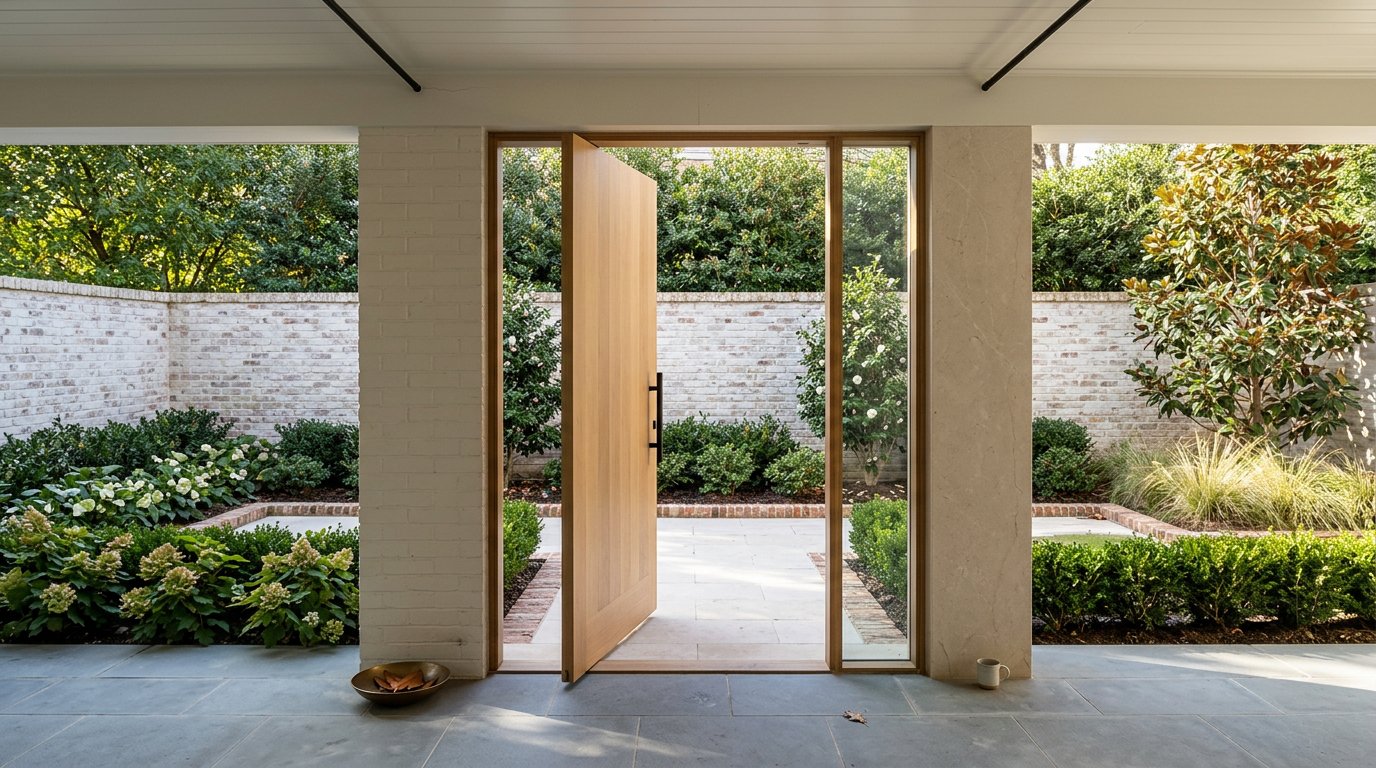
Lifestyle in Cary
Cary blends a stable, corporate-and-tech-driven economy with master-planned neighborhoods, expansive parks, and a rapidly growing downtown food and arts scene. As Wake County's second-largest town and a cornerstone of the Research Triangle, it offers suburban comfort with a genuine sense of community.
Location in Cary
Directly southwest of Raleigh with quick access to RTP, Apex, and Morrisville via I-40, US-1, and NC-540. Downtown Cary anchors local government, arts, and a growing business district.
Community in Cary
Golf-course communities like Preston and MacGregor Downs pair with newer, amenity-rich neighborhoods (Amberly, Cary Park) and a revitalized Downtown Cary for diverse lifestyles.
Dining in Cary
Chef-driven restaurants and craft breweries downtown, family-favorite spots like Lucky 32 Southern Kitchen, and a growing food hall and farmers market scene define Cary's dining culture.
Education in Cary
Served by the Wake County Public School System, with nationally recognized high schools like Green Hope and Panther Creek, plus strong private options like Cary Academy.
Housing in Cary
Mix of golf-course estates, resort-style new construction, and walkable downtown townhomes/condos. Premiums for top school zones and amenity-rich master-planned communities.
Transportation in Cary
Convenient driving via I-40/US-1/NC-540, the GoCary local bus system, regional GoTriangle service, an Amtrak station downtown, and over 200 miles of greenways and bike facilities. RDU Airport about 15–20 minutes away.
Climate in Cary
Four seasons: mild winters, warm springs, hot summers, colorful falls. Outdoor-friendly much of the year with abundant parkland and shade trees.
Amenities in Cary
Everyday retail at Crossroads Plaza, Waverly Place, and Cary Towne Center; museums, performing arts, professional sports, and year-round community events.
Demographics in Cary
Highly educated, diverse population including tech and biotech professionals, families, and retirees, with a median household income well above the state average.
Pros in Cary
Top-ranked schools, strong corporate job base, abundant parks/greenways, consistently ranked one of the safest and best-run towns in the country.
Cons in Cary
Higher entry price point than much of the Triangle, I-40 corridor congestion during peak commute hours, and limited overall walkability outside Downtown Cary and Bond Park.
Outdoor Activities in Cary
Hiking and cycling on Cary's greenway network, boating and fishing at Fred G. Bond Metro Park and Lake Crabtree, concerts at Koka Booth Amphitheatre, and events in Downtown Cary Park.
Cary's lifestyle brings together suburban comfort and big-Triangle opportunity, master-planned neighborhoods, destination parks, and a flourishing downtown food and arts culture—ideal for buyers seeking balance, safety, and top-tier schools.
Amenities in Cary, NC
Cary offers a full spectrum of amenities, from a full-service hospital and specialty medical practices to everyday retail, fitness, and pet-friendly services. Use the cards below to explore the resources that make Cary both livable and convenient.
-
Hospitals & Clinics in Cary
Wake County • Research TriangleCary is home to the town's only full-service hospital, plus a wide network of specialty and primary care clinics.- WakeMed Cary Hospital — 1900 Kildaire Farm Rd
- Duke Health Cary & Waverly Place — primary care locations
- Specialty practices — cardiology, orthopedics, oncology, neurology citywide
-
Supermarkets & Shopping in Cary
Downtown • Crossroads • Waverly PlaceMajor chains, local markets, and destination retail centers provide a variety of shopping experiences across town.- Harris Teeter & Lowes Foods — multiple locations
- Trader Joe's & REI — Crossroads Plaza
- Cary Towne Center — 621 Cary Towne Blvd
- Waverly Place — shops, dining, mixed-use lifestyle center
- Downtown Cary — boutique shops, restaurants, and The Cary Theater
-
Fitness & Recreation in Cary
Gyms • Greenways • ParksCary emphasizes outdoor living with over 100 miles of paved greenways, plus gyms, studios, and sports complexes throughout town.- Bond Park & WakeMed Soccer Park — athletic facilities and trails
- USA Baseball National Training Complex
- Cary Greenways System — 100+ miles of connected trails
- Fred G. Bond Metro Park — 310-acre park with lake, boathouse, and trails
- Koka Booth Amphitheatre — outdoor concerts and events
-
Pet Services in Cary
Veterinary • Grooming • Dog ParksCary is pet-friendly with numerous veterinary clinics, dog daycares, and greenway-accessible dog-walking routes.- Multiple veterinary clinics — citywide locations
- Banfield Pet Hospital — inside PetSmart, citywide
- Fred G. Bond Metro Park & greenway trails — popular dog-walking routes
Schools & Preschools in Cary
Families in Cary benefit from the highly regarded Wake County Public School System (WCPSS)—the largest district in North Carolina—plus strong private academies. Green Hope High School consistently ranks among North Carolina's top 10 high schools and serves north and central Cary neighborhoods (Preston, Amberly, MacGregor Downs, Lochmere, Carpenter Village), while Panther Creek High School serves south and west Cary (Weatherstone, Highcroft, Cary Park) and is also highly ranked. Private options like Cary Academy provide an independent, technology-forward alternative. Cary also has a strong early-learning network with Montessori and faith-based preschools.
Area schools emphasize academic rigor, strong AP offerings, and high graduation rates, with proximity to RTP and multiple universities enhancing enrichment and internship opportunities for local students.
School / Preschool | Type | Location | Highlights |
|---|---|---|---|
Davis Drive Elementary School | Public (K–5) | North Cary | One of Cary's top elementary schools; serves Preston, Carpenter Village, and portions of MacGregor Downs. |
Penny Road Elementary School | Public (K–5) | South-Central Cary | Serves Amberly and surrounding neighborhoods near US-1 and Kildaire Farm Rd. |
Mills Park Elementary School | Public (K–5) | West Cary | Serves part of the Amberly community; consistently strong performance ratings. |
Davis Drive Middle School | Public (6–8) | North Cary | Feeds into Green Hope High School; strong academic reputation among north Cary families. |
Green Hope High School | Public (9–12) | North Cary | Cary's most prestigious high school; consistently ranks among North Carolina's top 10. Serves Preston, Amberly, MacGregor Downs, Lochmere, and Carpenter Village. |
Panther Creek High School | Public (9–12) | South/West Cary | Highly ranked alternative to Green Hope; serves Weatherstone, Highcroft, and Cary Park with a strong community feel. |
Cary High School | Public (9–12) | Downtown Cary | Cary's original high school; strong tradition, AP offerings, and active athletics near downtown. |
Cary Academy | Private (6–12) | Cary | Independent, technology-forward college-prep school with strong academics and a 1:1 laptop program. |
St. Michael the Archangel Catholic School | Private (PreK–8) | Cary | Faith-based, classical-leaning education with strong parent involvement. |
Montessori & faith-based preschools | Private Preschool | Citywide | Numerous independent early-learning options throughout Cary emphasizing play-based and individualized instruction. |
- School District: Wake County Public School System (WCPSS), with base assignment and magnet options.
- Notables: Green Hope and Panther Creek High Schools both rank among North Carolina's top high schools; Cary Academy offers a leading independent alternative.
- Tip: Attendance assignments vary by address, always confirm zoning and any magnet eligibility with WCPSS before purchasing.
Investment Potential in Cary, NC
As Wake County's second-largest town and a cornerstone of the Research Triangle, Cary offers investors strong fundamentals across long-term rental housing, buy-and-hold single-family homes, and master-planned new-construction communities. Consistent demand from RTP tech and biotech professionals, families drawn to top schools, and retirees seeking safety drive durable, steady demand.
Why Cary? A stable, diversified corporate job base (anchored by SAS Institute and proximity to RTP), consistently top-ranked schools, and a well-run town government keep both purchase and rental markets healthy. Continued population growth (roughly 3–4% annually) and constrained land supply support long-term appreciation even as the market normalizes from pandemic-era pricing.
- Buy & Hold: 3–4BR homes in top school zones (Green Hope, Panther Creek) offer reliable appreciation and steady rental demand.
- Rental Market: RTP professionals and relocating families keep single-family and townhome rentals leasing quickly at premium rents.
- Value-Add/Flip: Older homes in established communities like MacGregor Downs present opportunities with modernized kitchens, baths, and energy upgrades.
- Risk & Underwriting: Rising days-on-market and moderating prices in 2026 signal a more balanced market; verify current HOA rules and any zoning restrictions for STRs.
Rental Snapshot (Typical Monthly Ranges)
2BR Apartment: ~$1,700–$2,100 • 3BR SFR: ~$2,300–$2,900 • 4BR SFR: ~$3,000–$3,700+
What Performs Well
- Updated kitchens, energy-efficient windows, and flexible home-office space.
- Homes in top-rated Green Hope or Panther Creek school zones.
- Resort-style amenities - pools, trails, and clubhouse access in master-planned communities.
Compliance Checklist
- Confirm zoning restrictions for short-term rentals (limits apply in parts of Cary).
- Review HOA covenants for rental policies and fees, especially in golf-course and master-planned communities.
- Budget for rising property taxes and insurance premiums, and verify current Wake County tax rates.
Whether holding a golf-course estate in Preston, a resort-style new build in Amberly, or a walkable townhome near Downtown Cary, Cary's stable job base and top-ranked schools continue to make it one of the Triangle's most consistently in-demand real estate markets.
Thinking About Moving to Cary?
As Wake County's second-largest town and a cornerstone of the Research Triangle, Cary offers a rare blend of suburban comfort, top-tier schools, and modern convenience. You'll find vibrant districts like Downtown Cary, Preston, Amberly, and MacGregor Downs, plus quick access to Raleigh, Research Triangle Park, and RDU Airport.
Housing includes golf-course estates, resort-style new construction, townhomes, and walkable downtown condos. Premiums follow proximity to top schools, master-planned amenities, and downtown walkability. Zoning and HOA rules vary, always confirm rental policies and community guidelines before investing.
Daily life balances work and play: more than 100 miles of paved greenway trails, expansive parks like Fred G. Bond Metro Park, and a growing downtown dining and arts scene. Families benefit from Wake County schools, Cary Academy, and easy travel via Raleigh–Durham International Airport (RDU).
Frequently Asked Questions about Cary
How much does it cost to live in Cary?
- Condos/Townhomes: ~$350K–$600K (higher for new builds near Downtown Cary or Amberly)
- Single-family homes: ~$450K–$900K+ depending on neighborhood, size, and age
- Luxury/golf-course estates: $1M+ in Preston, MacGregor Downs, and Renaissance at Regency
Is Cary a good place for investment properties?
Yes, a stable corporate and tech job base, top-ranked schools, and steady in-migration keep demand high. Investors find opportunities in buy-and-hold single-family homes, townhome rentals near RTP, and new-construction communities in growth corridors. Short-term rentals face zoning restrictions in parts of town, so always confirm current rules before purchasing.
What is the rental market like?
- Apartments: ~$1,700–$2,100 for a 2BR unit
- Single-family rentals: ~$2,300–$3,700 for 3–4BR homes
- Corporate/relocation housing: Consistently strong near RTP and major employers like SAS Institute
What types of properties are common?
A mix of golf-course estate homes in Preston and MacGregor Downs, resort-style new construction in Amberly and Cary Park, townhomes/condos in Carpenter Village and near Downtown Cary, and walkable downtown properties.
What makes Cary unique compared to other Triangle cities?
Cary combines top-ranked schools with a stable corporate job market, consistent recognition as one of the safest and best-run towns in the country, and an increasingly walkable downtown—all within master-planned communities built around parks and greenways.
How do people get around, and which airports serve the area?
Daily travel is primarily by car via I-40, US-1, and NC-540. GoCary buses, GoTriangle regional service, and an Amtrak station downtown serve core areas, while ride-share apps are widely used. The nearest airport is Raleigh–Durham International (RDU), about 15–20 minutes from most neighborhoods, with national and international service.
Which schools serve Cary?
Cary is part of the Wake County Public School System (WCPSS) - North Carolina's largest district, with Green Hope and Panther Creek High Schools both ranking among the state's best. Private options include Cary Academy and St. Michael the Archangel Catholic School.
Cary blends safety, schools, and opportunity, making it a top choice for families, professionals, and investors alike.