Welcome to Chapel Hill

Chapel Hill, North Carolina – Community Overview & Real Estate Guide
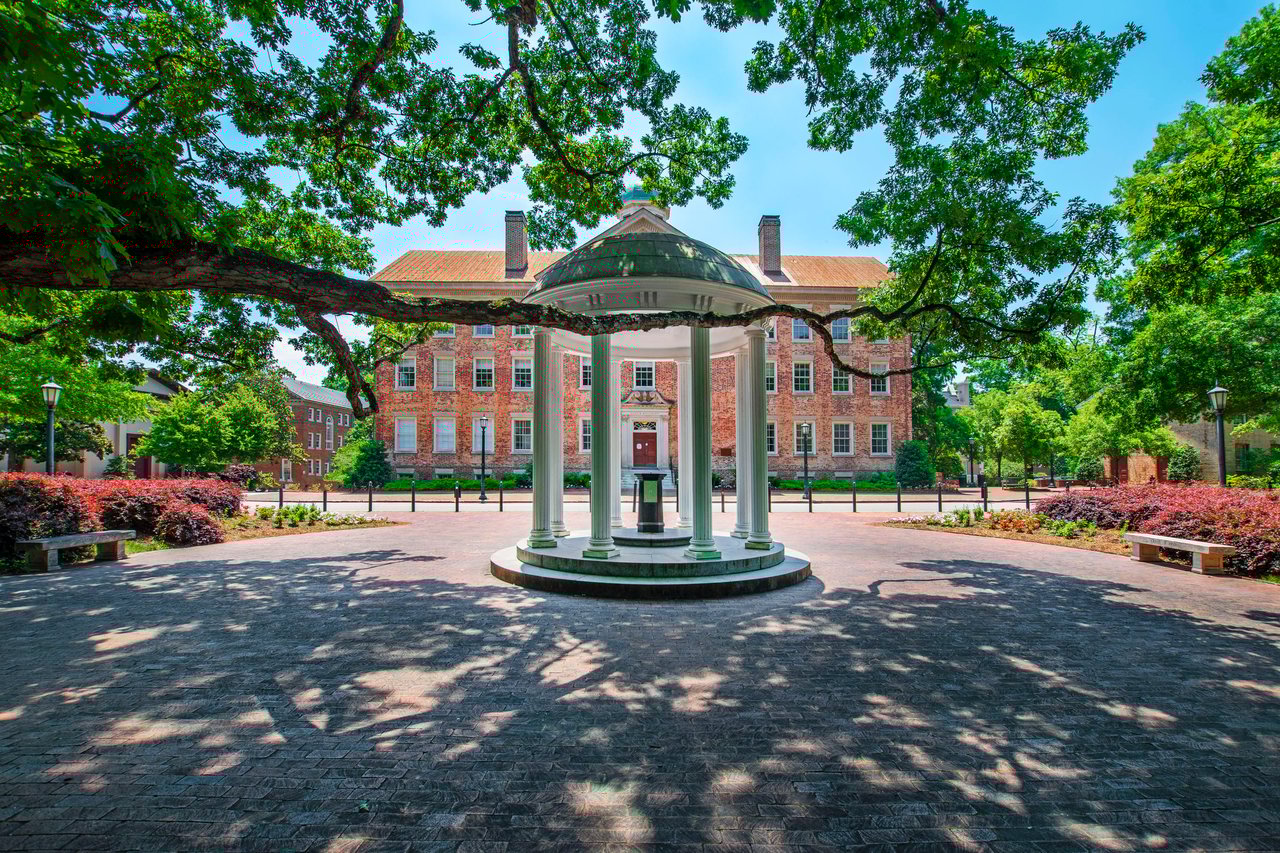
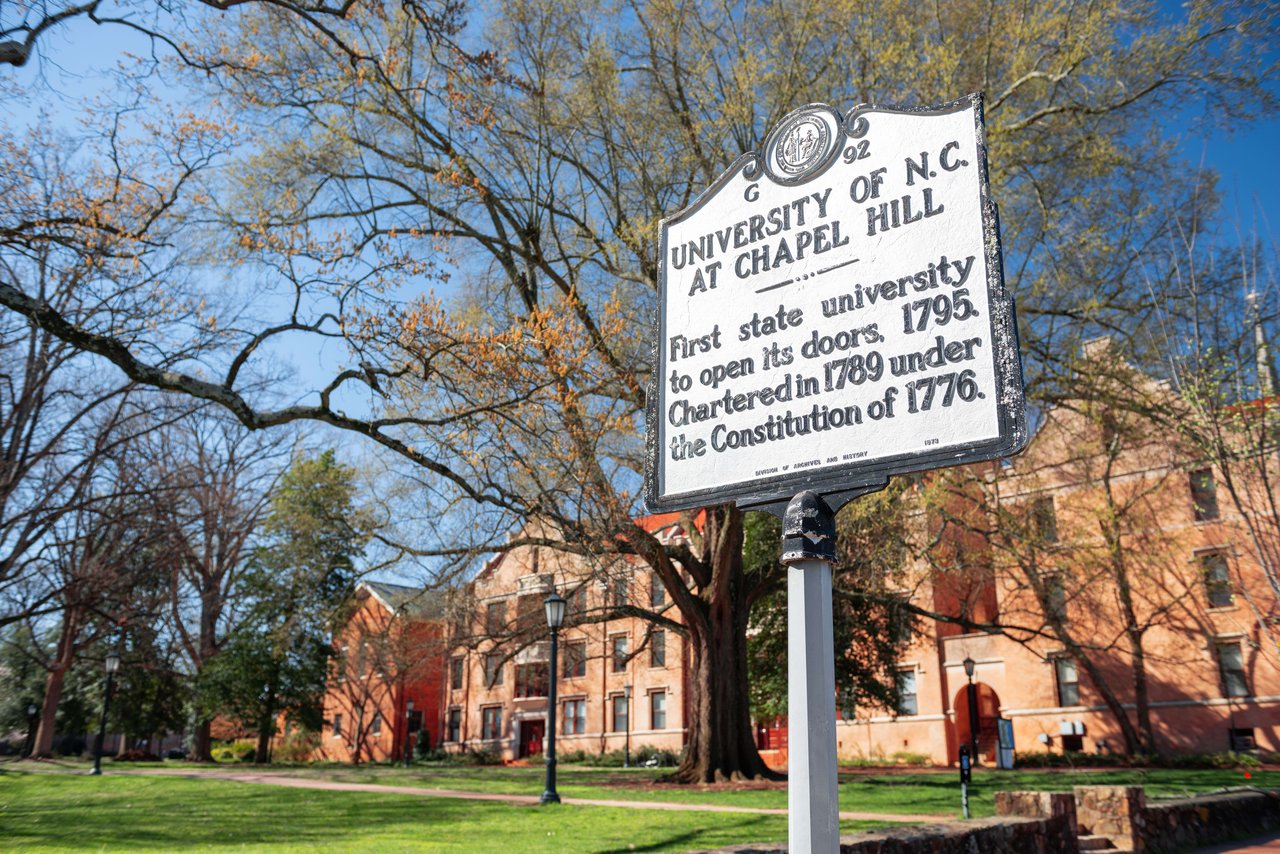
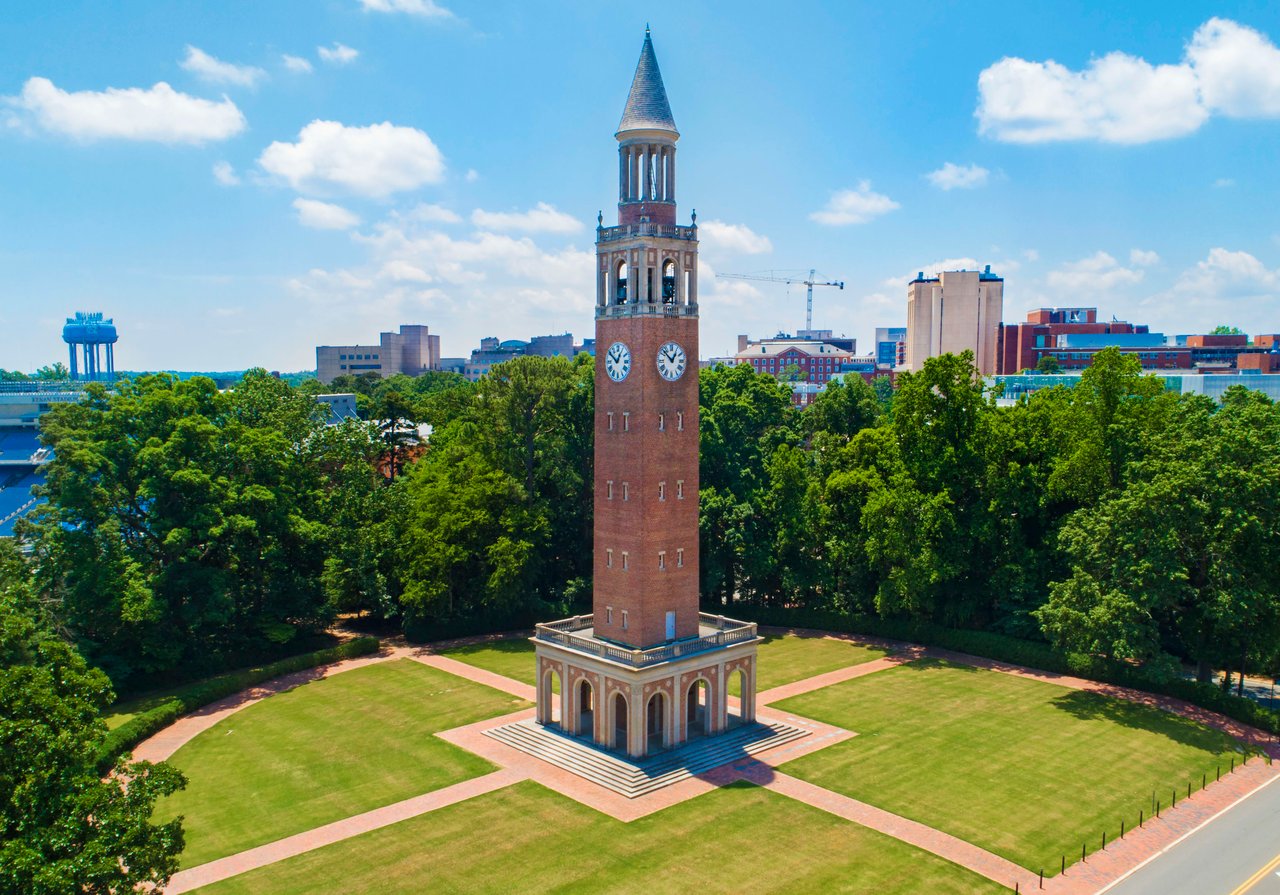
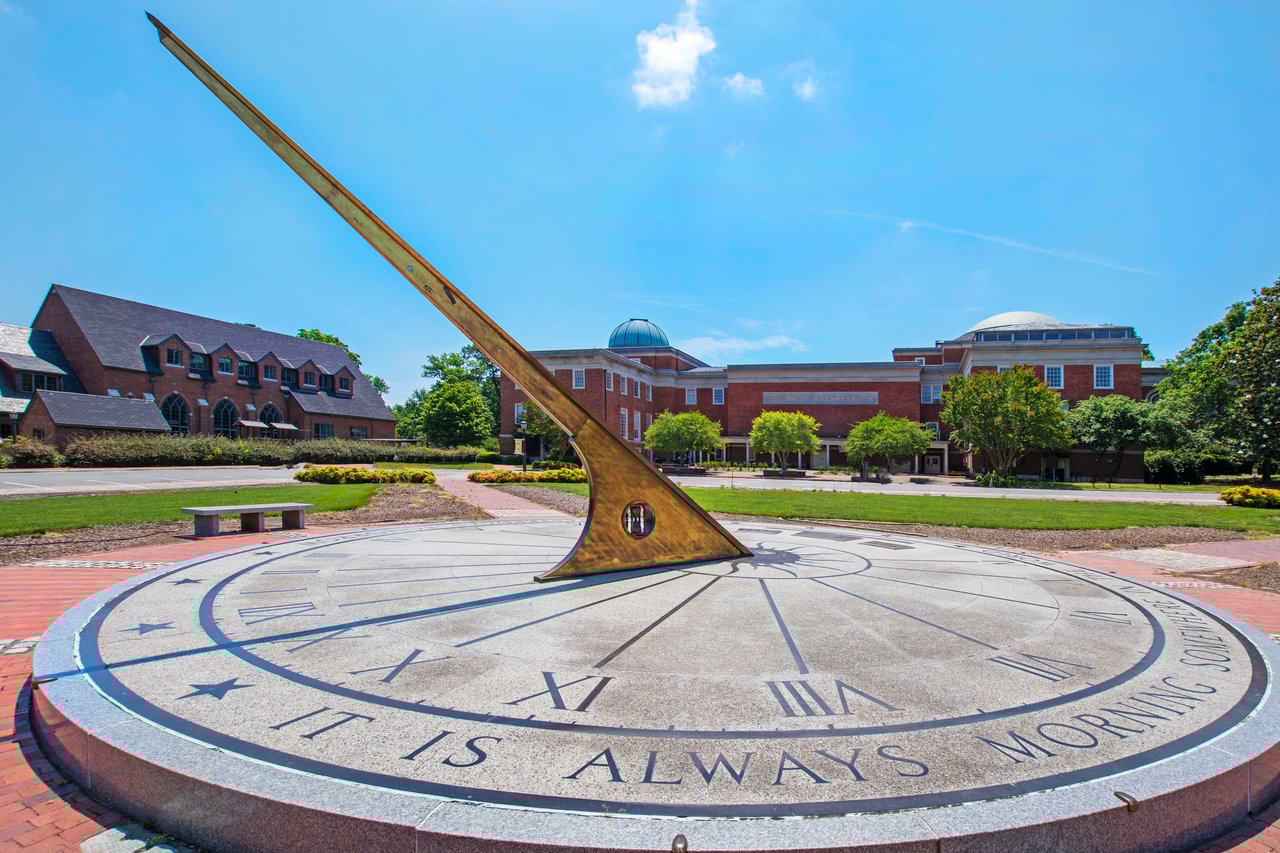
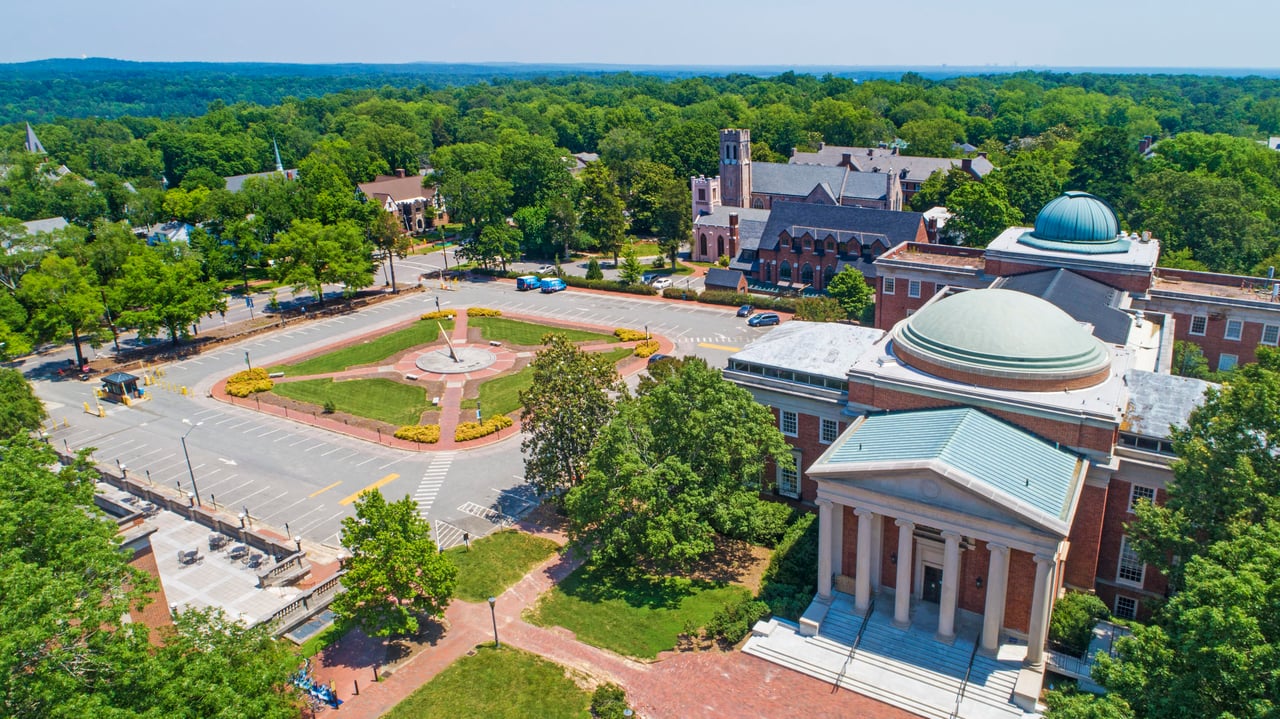
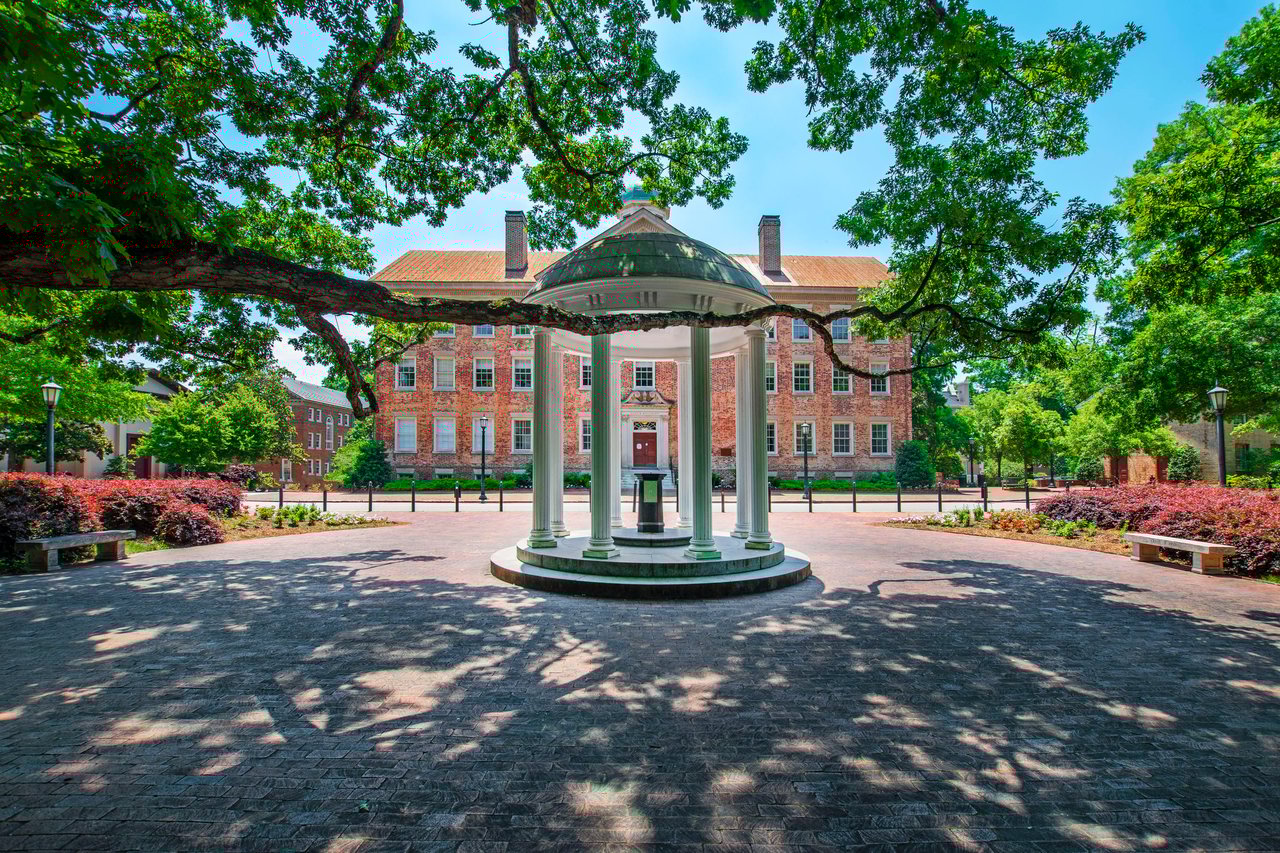
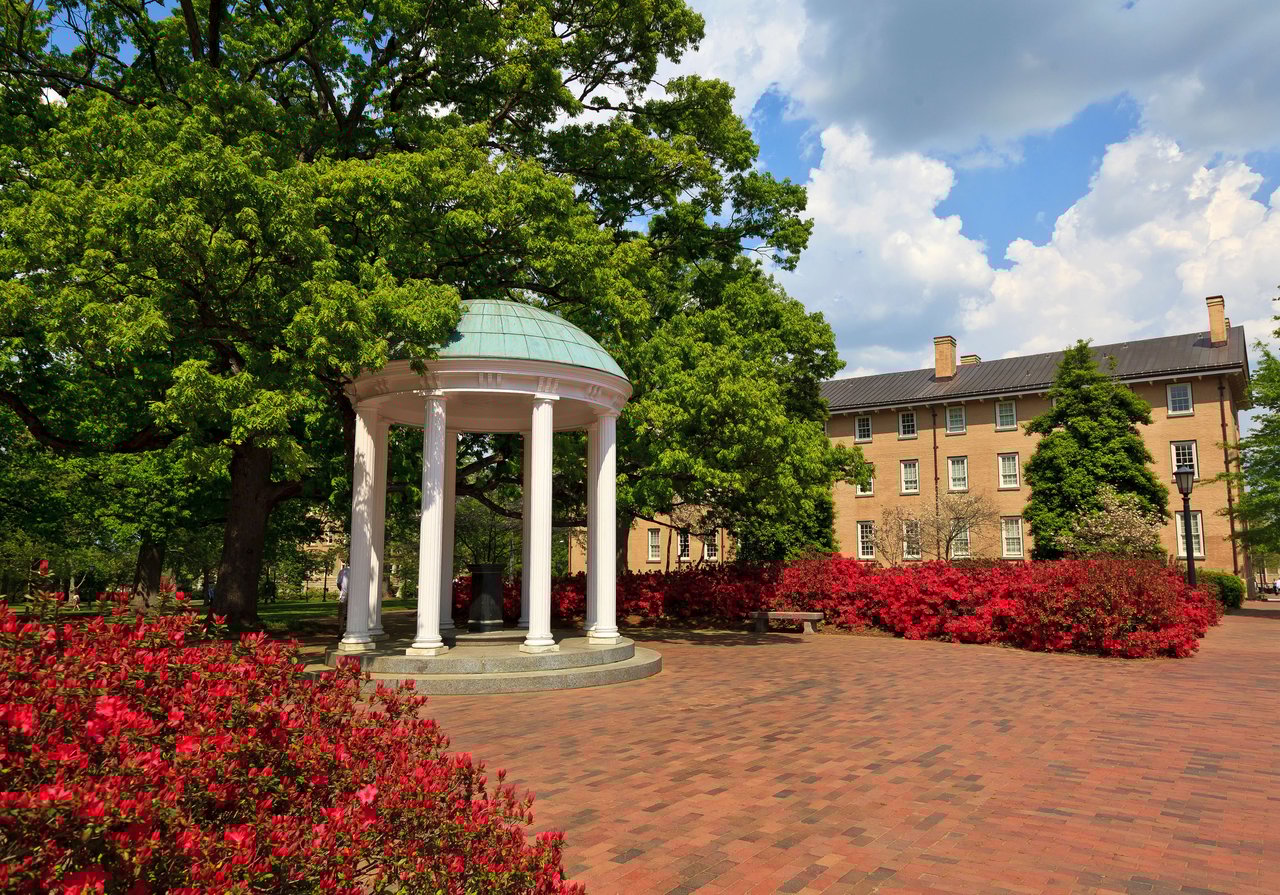
Known as the "Southern Part of Heaven," Chapel Hill blends small-town charm with big intellectual energy. As the home of the University of North Carolina at Chapel Hill and a cornerstone of the Research Triangle (alongside Raleigh and Durham), Chapel Hill offers walkable neighborhoods, nationally ranked schools, and a nationally recognized quality of life. Its mix of historic in-town districts, master-planned villages, and wooded suburban enclaves makes it a top choice for faculty, medical professionals, families, and retirees alike.
Overview of Chapel Hill, NC
Chapel Hill sits in Orange County (with a small portion extending into Durham County) and anchors the western edge of the Research Triangle. Its location along US-15-501 and NC-54, with I-40 access just a few miles north, connects residents to Durham, Research Triangle Park, and Raleigh–Durham International Airport within 20–30 minutes. Home to UNC-Chapel Hill and UNC Health's flagship hospital campus, Chapel Hill consistently ranks among the nation's best college towns and places to live. Neighborhoods range from the historic Franklin-Rosemary and Gimghoul districts near campus to master-planned villages like Southern Village and Meadowmont, each offering a distinct lifestyle and price point.
Key Facts about Chapel Hill, NC | |
|---|---|
Area | Approx. 21 sq miles |
County | Orange County (with a small portion in Durham County) |
Established | 1793 (chartered alongside the founding of UNC-Chapel Hill) |
Population (2026 est.) | ~61,600–65,000 (town); estimates vary by source |
Nearby Parks & Greenways | Umstead Park; Southern Community Park; Carolina North Forest; Jordan Lake State Recreation Area |
Main Roads | US-15-501; NC-54; I-40 (via Hwy 86/Exit 266); MLK Jr. Blvd |
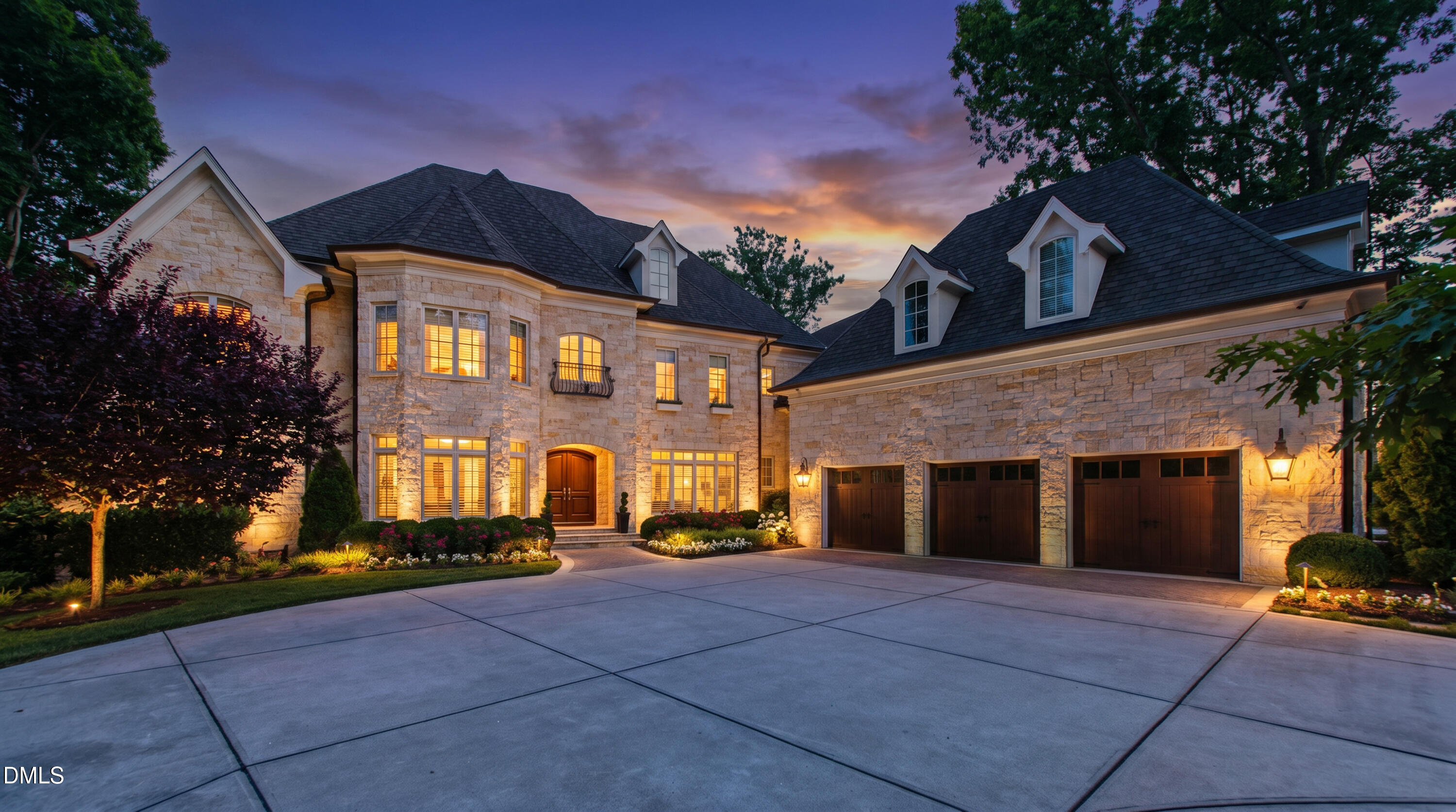
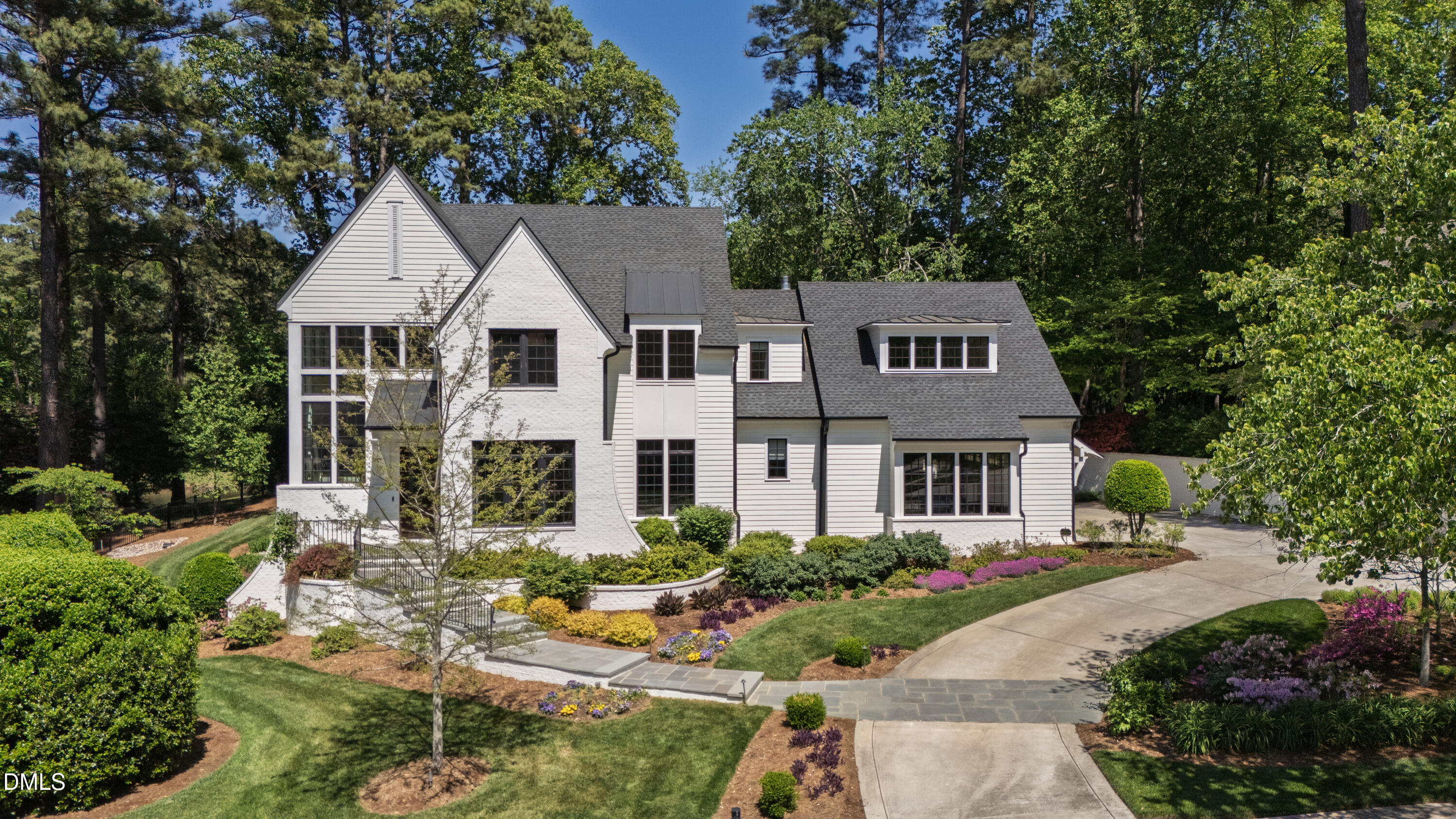
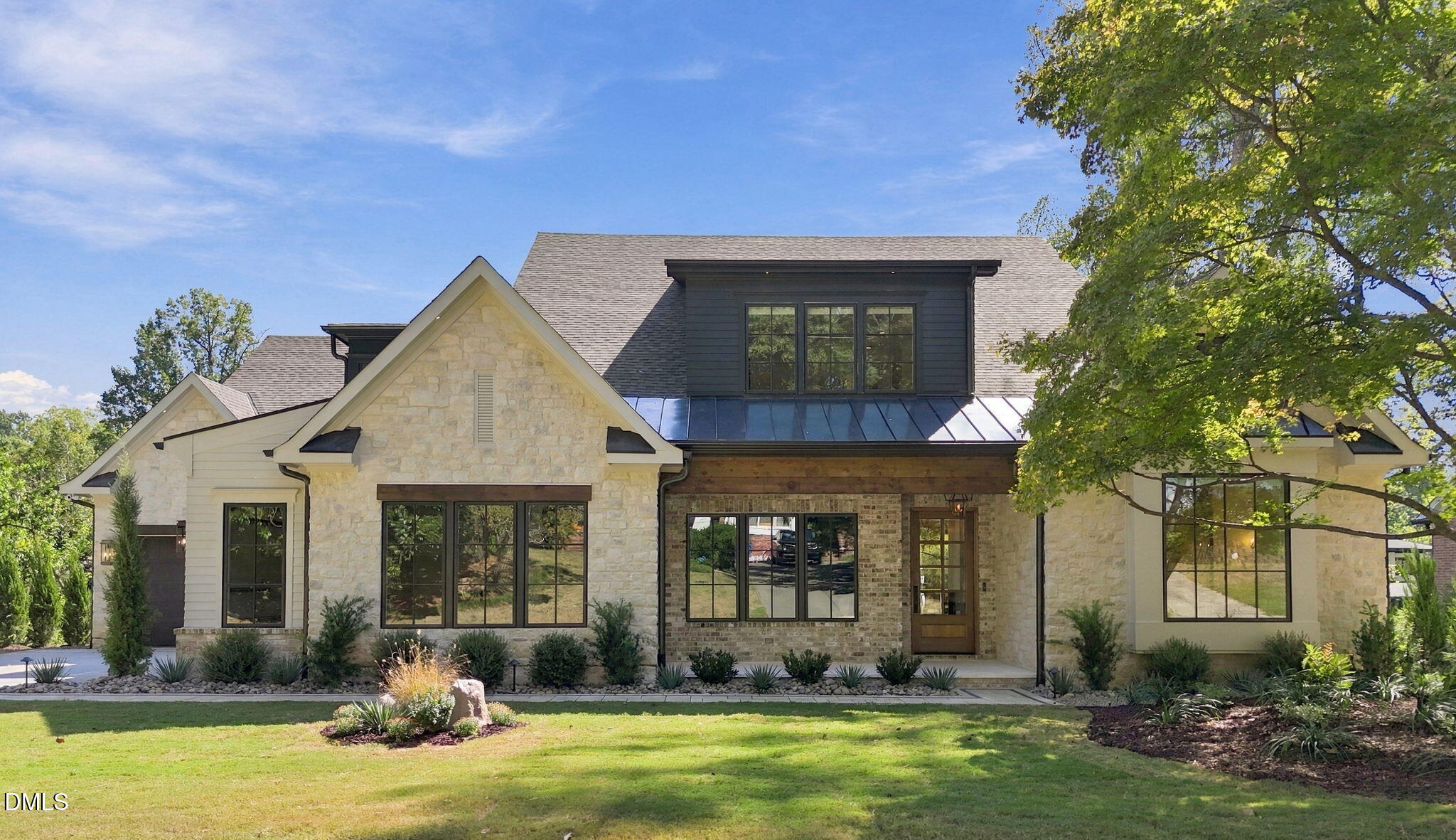
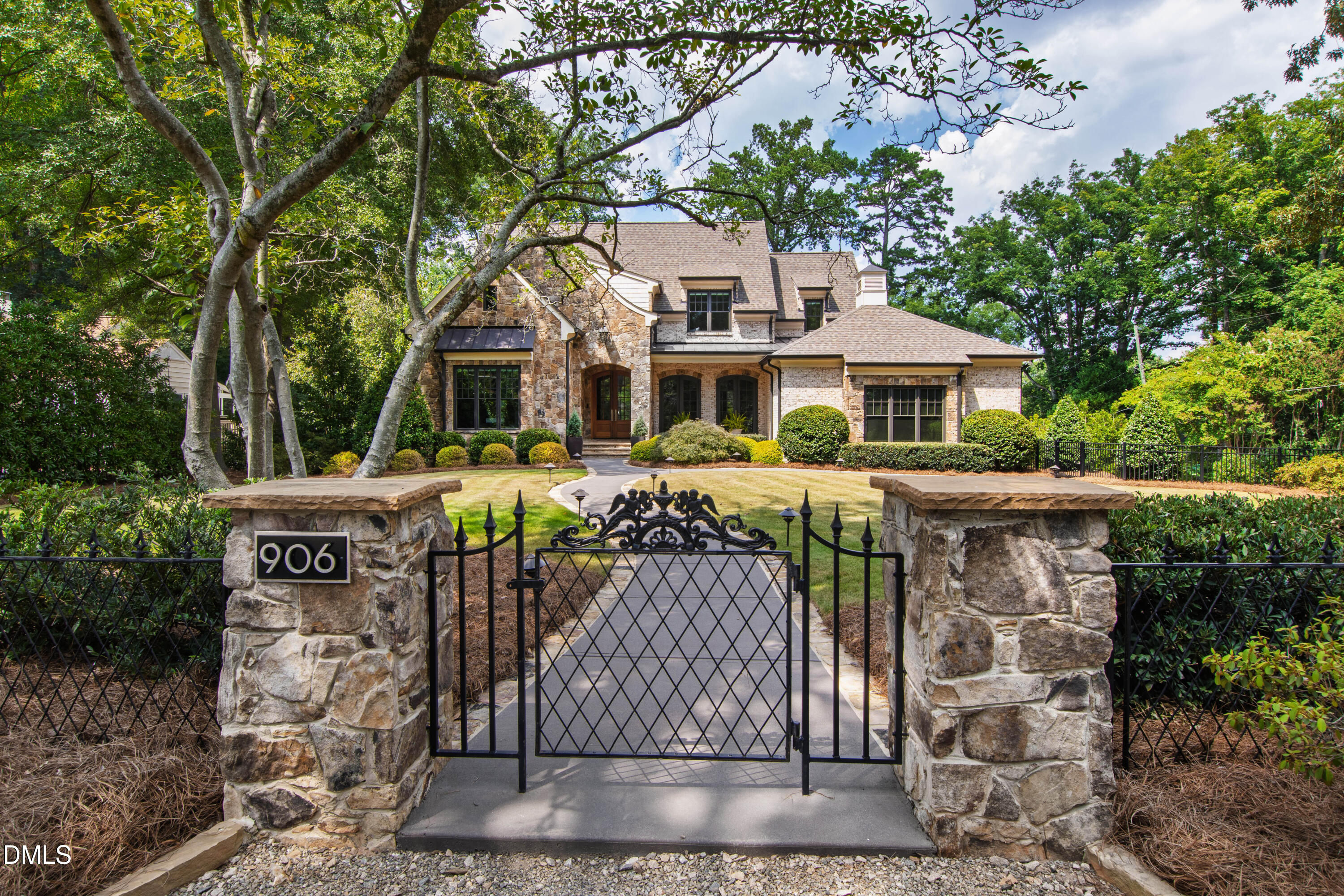
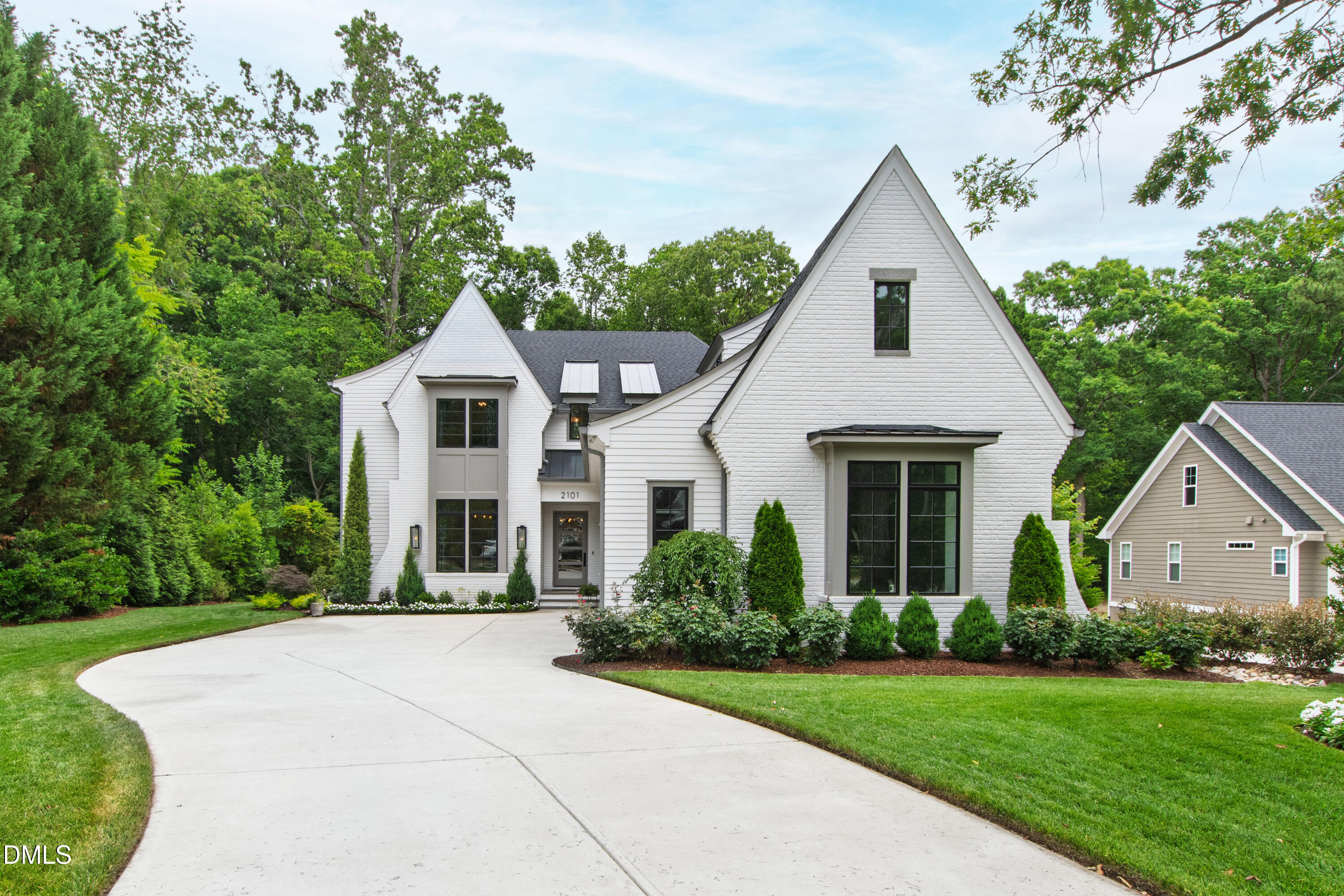
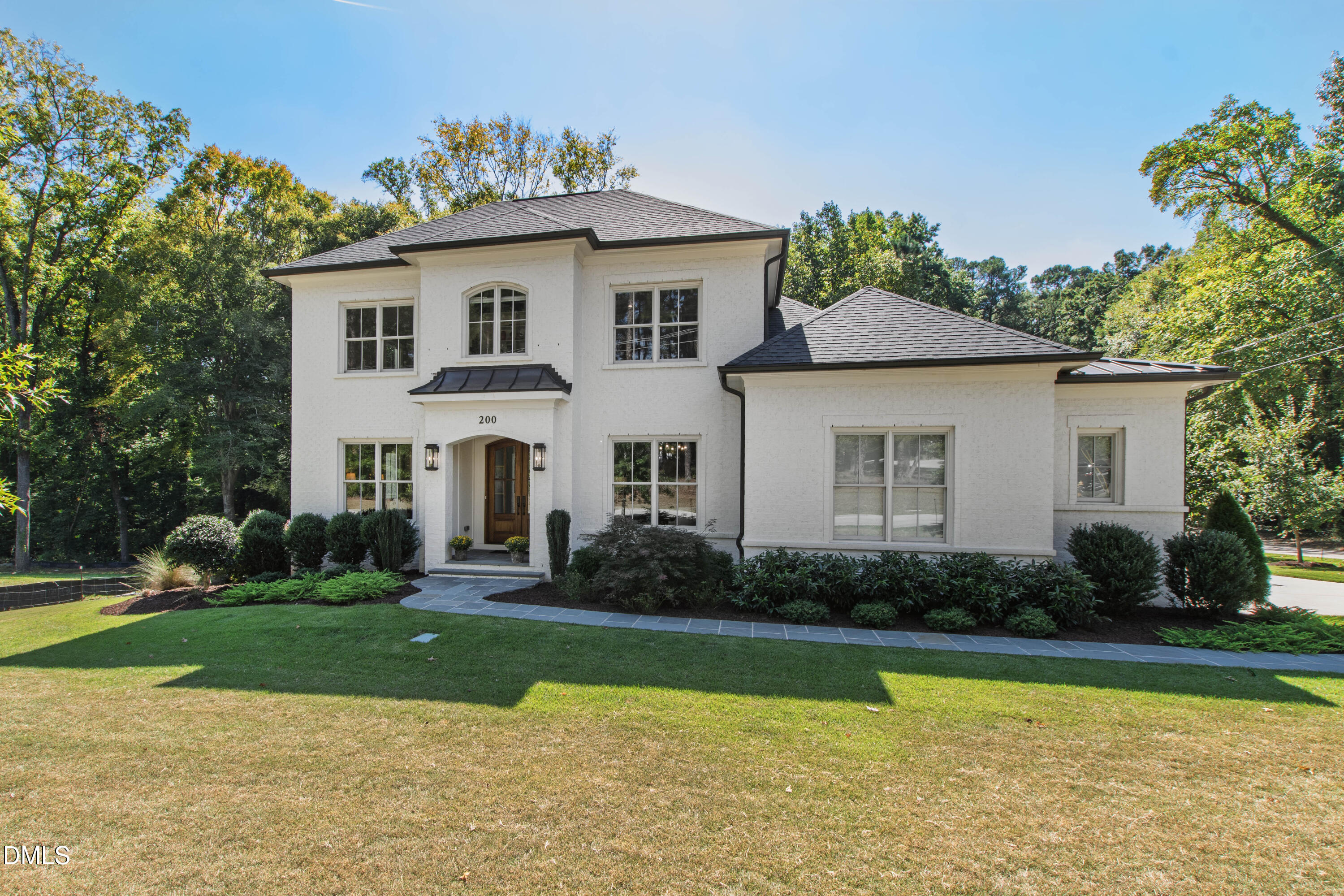
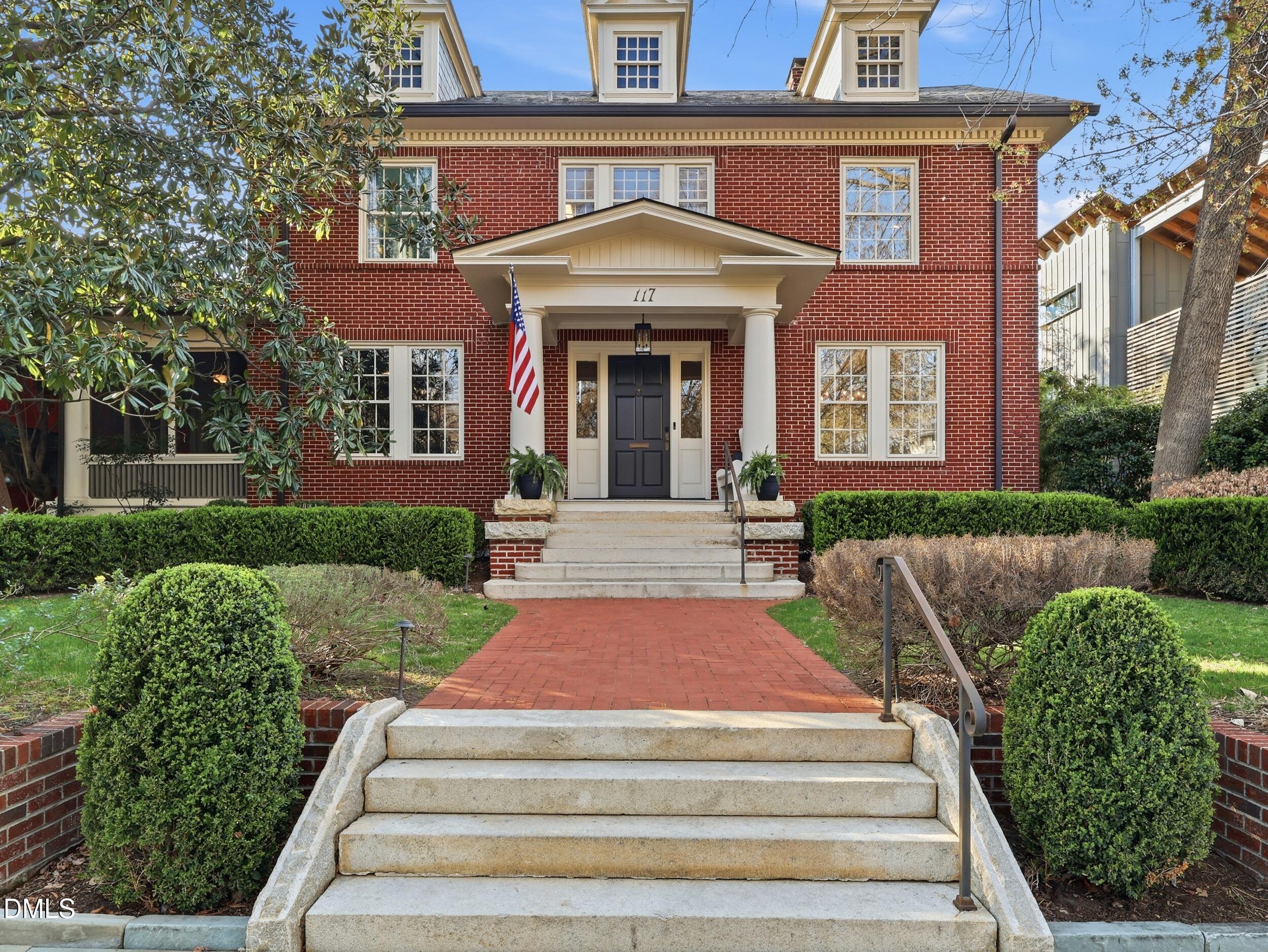
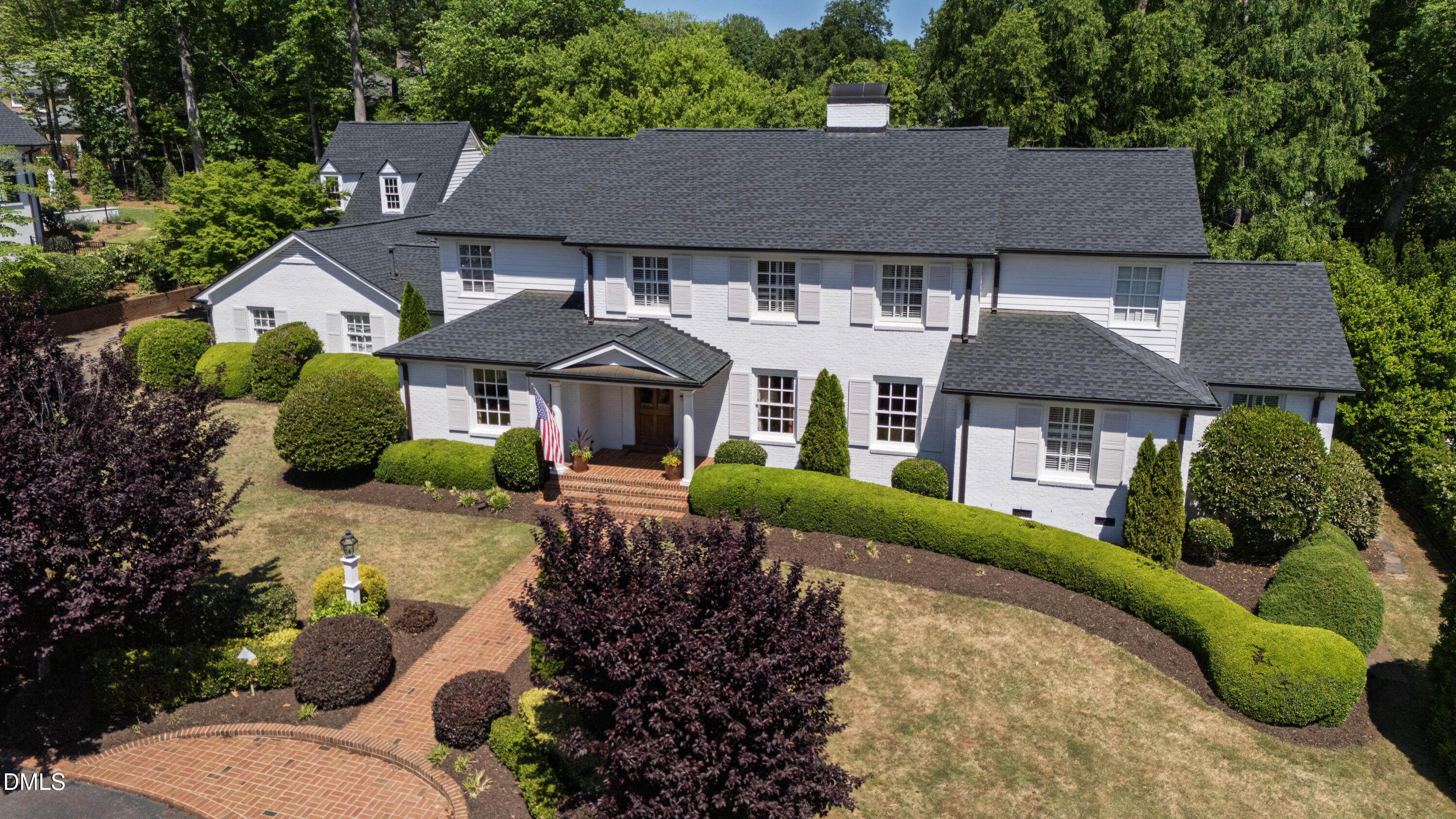
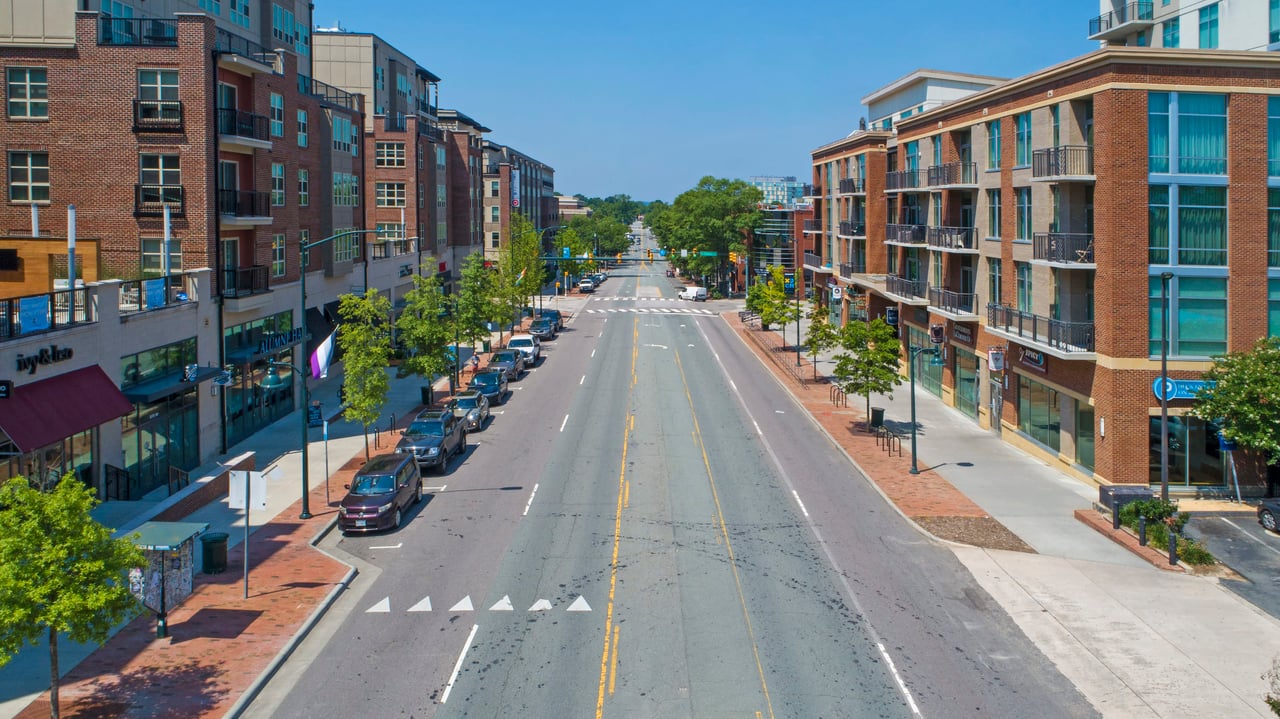
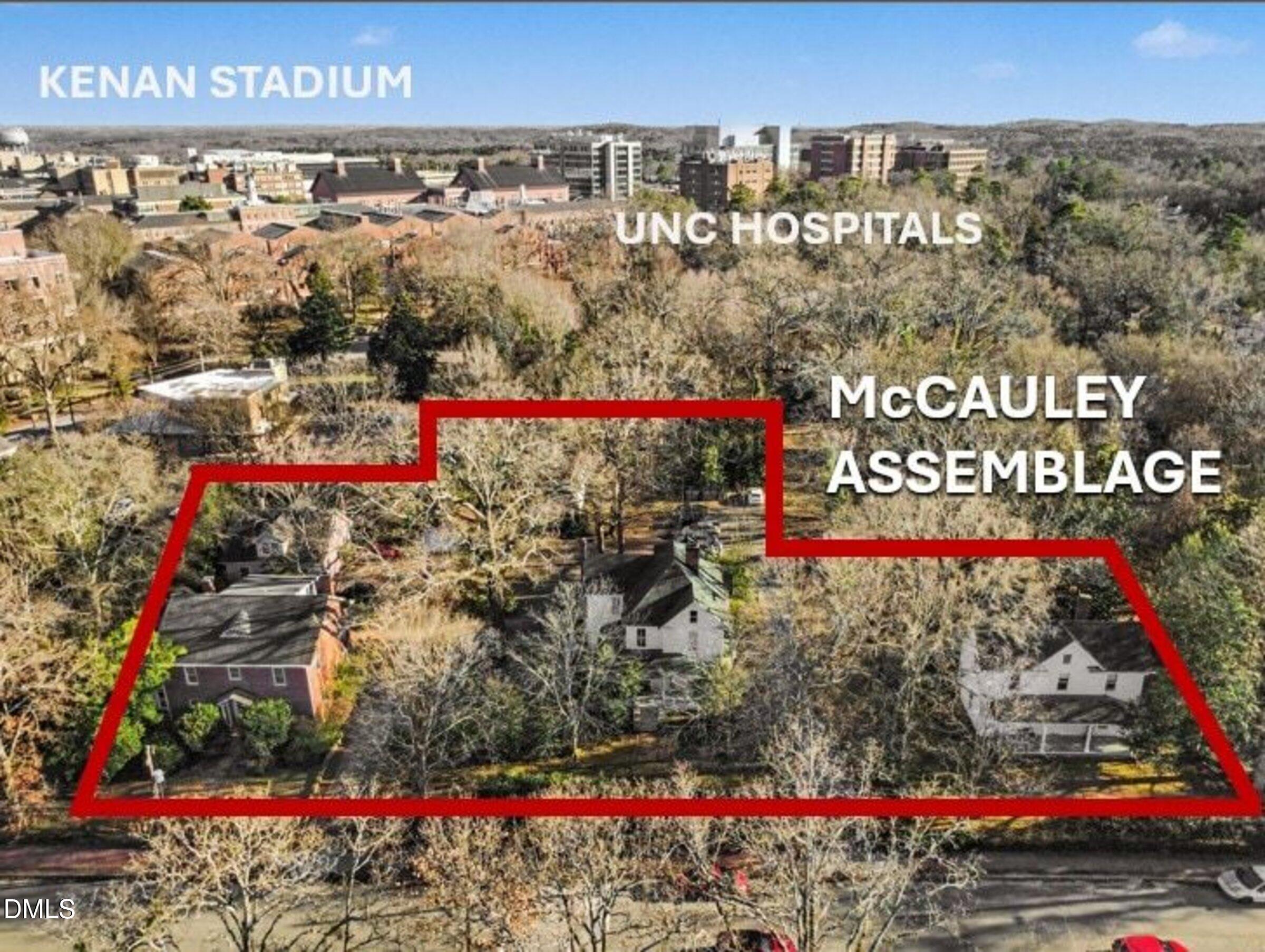
Chapel Hill offers the best of both worlds: a university-and-research-driven economy paired with a walkable, tree-lined lifestyle rooted in independent shops, greenways, and a nationally regarded dining scene. Whether you're seeking a historic bungalow near Franklin Street, a village-style home in Southern Village or Meadowmont, or a wooded estate near UNC Hospitals, Chapel Hill remains one of the Triangle's most resilient and prestigious real estate markets.
Location & Connectivity in Chapel Hill
Chapel Hill anchors the western point of the Research Triangle. Its location offers direct access to Durham (10–15 minutes), Research Triangle Park, and Raleigh–Durham International Airport (RDU), which sits about 17 miles east of downtown. The town's university identity, nationally ranked schools, and academic-medical job base make it one of the most in-demand small housing markets in the Southeast.
Day-to-day mobility in Chapel Hill is supported by a free, fare-less local bus system, an extensive greenway network, and bike lanes along major corridors. Residents can easily commute by car, bike, bus, or foot, while regional and international connections run through RDU Airport.
Connectivity & Transportation — Chapel Hill, NC | |
|---|---|
Location Map & Overview of Chapel Hill | University town in Orange County, anchoring the western edge of the Research Triangle. Close proximity to Durham, RTP, and Carrboro. Served by US-15-501, NC-54, and I-40 (a few miles north of downtown). |
Nearby Areas & Communities around Chapel Hill |
|
Attractions & Points of Interest in Chapel Hill |
|
Public Transport in Chapel Hill |
|
Road Access & Main Highways |
|
Parking in Chapel Hill | Public parking decks and metered street parking downtown, along with permit-based residential parking in neighborhoods near campus. Park-and-ride lots serve commuters and game-day visitors. |
Walking & Cycling in Chapel Hill | Chapel Hill's greenway system covers nearly 18 miles, connecting parks, neighborhoods, and Bolin Creek. Franklin Street and other main roads feature bike lanes, and the town has invested in lighted crosswalks near campus. |
Taxi & Ride Apps | Uber and Lyft widely available; local shuttle and campus transportation services also operate in and around UNC. |
Airport Access in Chapel Hill |
|
Chapel Hill's location at the western edge of the Research Triangle delivers strong connectivity—whether by car, free local transit, bike, or air travel. With a fare-free bus system, extensive greenways, and easy access to RDU, Chapel Hill offers convenience for both daily campus life and global travel.
Chapel Hill Real Estate Market Trends (2026)
Chapel Hill's housing market remains one of the tightest and highest-priced in the Triangle, driven by limited land supply, strict Orange County growth controls, and steady demand from UNC and UNC Health employment. As of Q1 2026, the town's median sale price is about $495K (Redfin, March 2026, up 6.5% year-over-year), with a median price per sq. ft. near $300. Zillow's broader home-value index (which includes surrounding ZIPs) puts the typical home value closer to $605K. Homes are taking longer to sell than in the ultra-tight 2022 market—typically 60–70 days—and the sale-to-list ratio has eased to about 96.5%, signaling a market that favors buyers slightly more than in prior years, even though inventory remains historically thin (well under one month of supply in late 2025). Downtown and campus-adjacent neighborhoods (Franklin-Rosemary, Gimghoul) command significant premiums, while master-planned villages like Southern Village and Meadowmont trend well above the town median. More affordable options exist toward the edges of town and in neighboring Carrboro.
Property Type | Median Price (USD) | Price per Sq.Ft (USD) | Average Rent (USD/month) | Rental Yield |
|---|---|---|---|---|
2BR Condo | $400,000 (est.) | $300 | $1,850 | 5.6% (est.) |
2BR Townhome | $450,000 (est.) | $300 | $2,000 | 5.3% (est.) |
3BR Single-Family Home | $625,000 (est.) | $300 | $2,500 | 4.8% (est.) |
4BR Single-Family Home | $825,000 (est.) | $300 | $3,200 | 4.7% (est.) |
Methodology & notes: Townwide median sale price ($495K, March 2026) and $300/sq.ft. based on Redfin. Zillow's Home Value Index for the broader Chapel Hill area was approximately $605K as of Q2 2026. Medians for property types are estimated using typical floor-area assumptions and should be verified against current MLS data before publishing to clients. Rental values reflect general Chapel Hill-area averages; yields are estimates only. Neighborhood, school zone, and proximity to UNC/UNC Hospitals strongly affect values. Downtown/campus-adjacent listings (e.g., Franklin Street corridor) can run well above these figures, sometimes exceeding $900K–$1M+ median.
Lifestyle in Chapel Hill
Chapel Hill blends a university-driven intellectual energy with oak-canopied historic neighborhoods, walkable village centers, and a nationally recognized dining and arts scene. As home to UNC-Chapel Hill and a cornerstone of the Research Triangle, it offers college-town vibrancy with a quiet, community-first residential feel.
Location in Chapel Hill
Anchors the western edge of the Research Triangle with quick access to Carrboro, Durham, and RTP via US-15-501, NC-54, and I-40. Downtown/Franklin Street anchors university, arts, and business life.
Community in Chapel Hill
Historic in-town districts like Franklin-Rosemary and Gimghoul pair with master-planned villages (Southern Village, Meadowmont, East 54) for a range of lifestyles from student-adjacent to family-suburban.
Dining in Chapel Hill
James Beard Award-winning chefs, Franklin Street eateries and bars, village-center restaurants in Southern Village and Meadowmont, and Weaver Street Market's farm-to-table co-op define a nationally respected food scene.
Education in Chapel Hill
Home to UNC-Chapel Hill; Chapel Hill-Carrboro City Schools consistently ranks among North Carolina's top districts, with strong magnet, IB, and AP pathways.
Housing in Chapel Hill
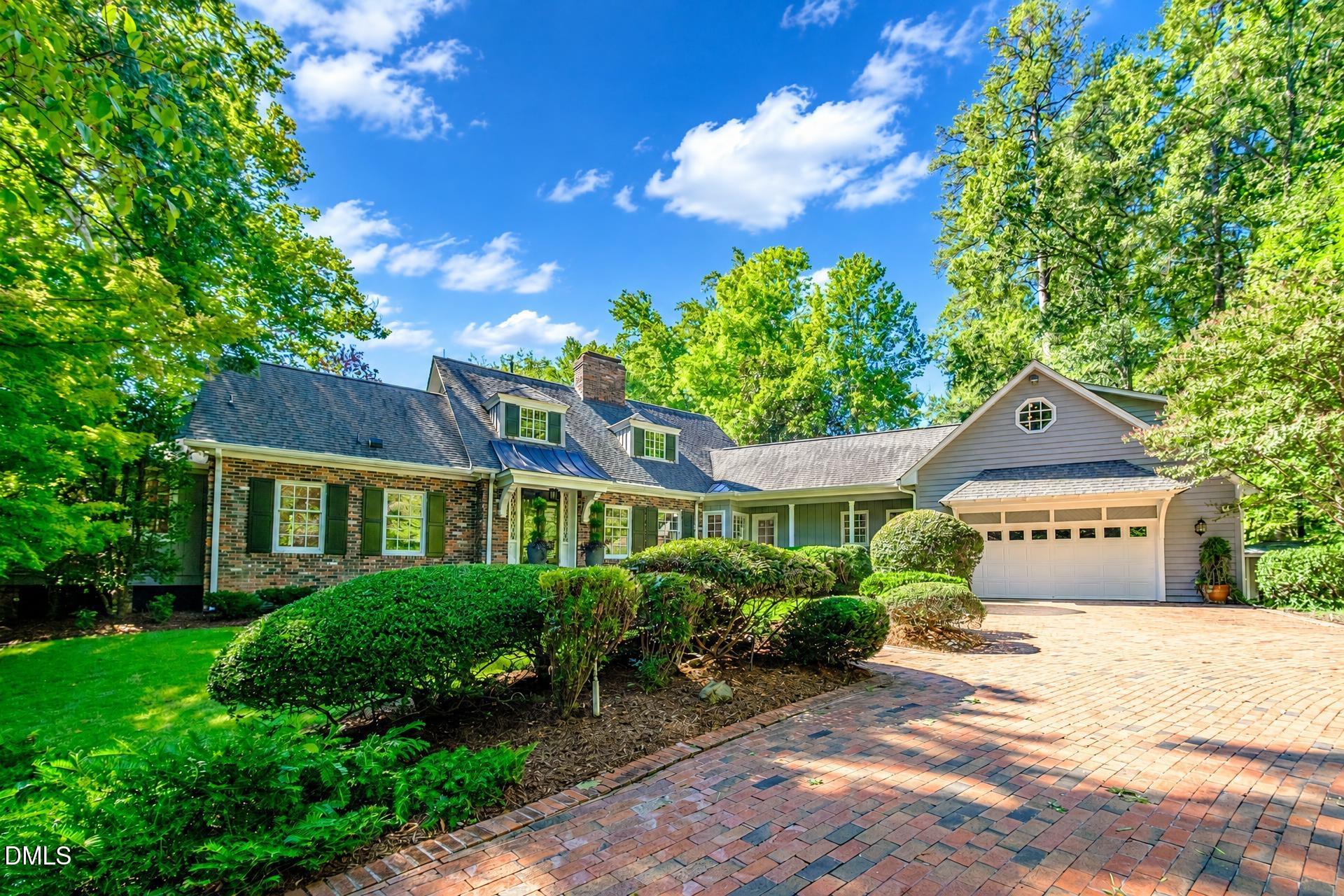
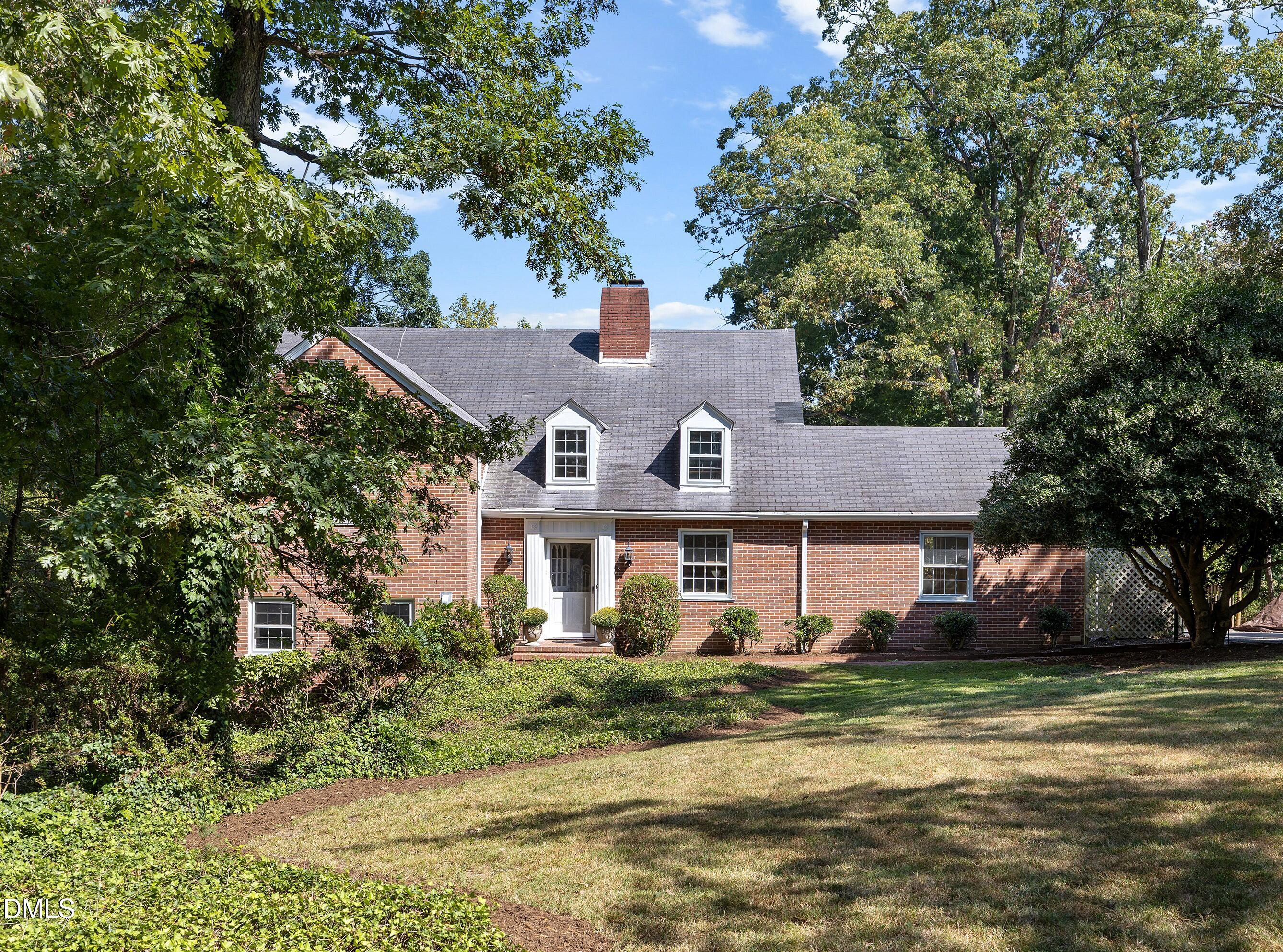
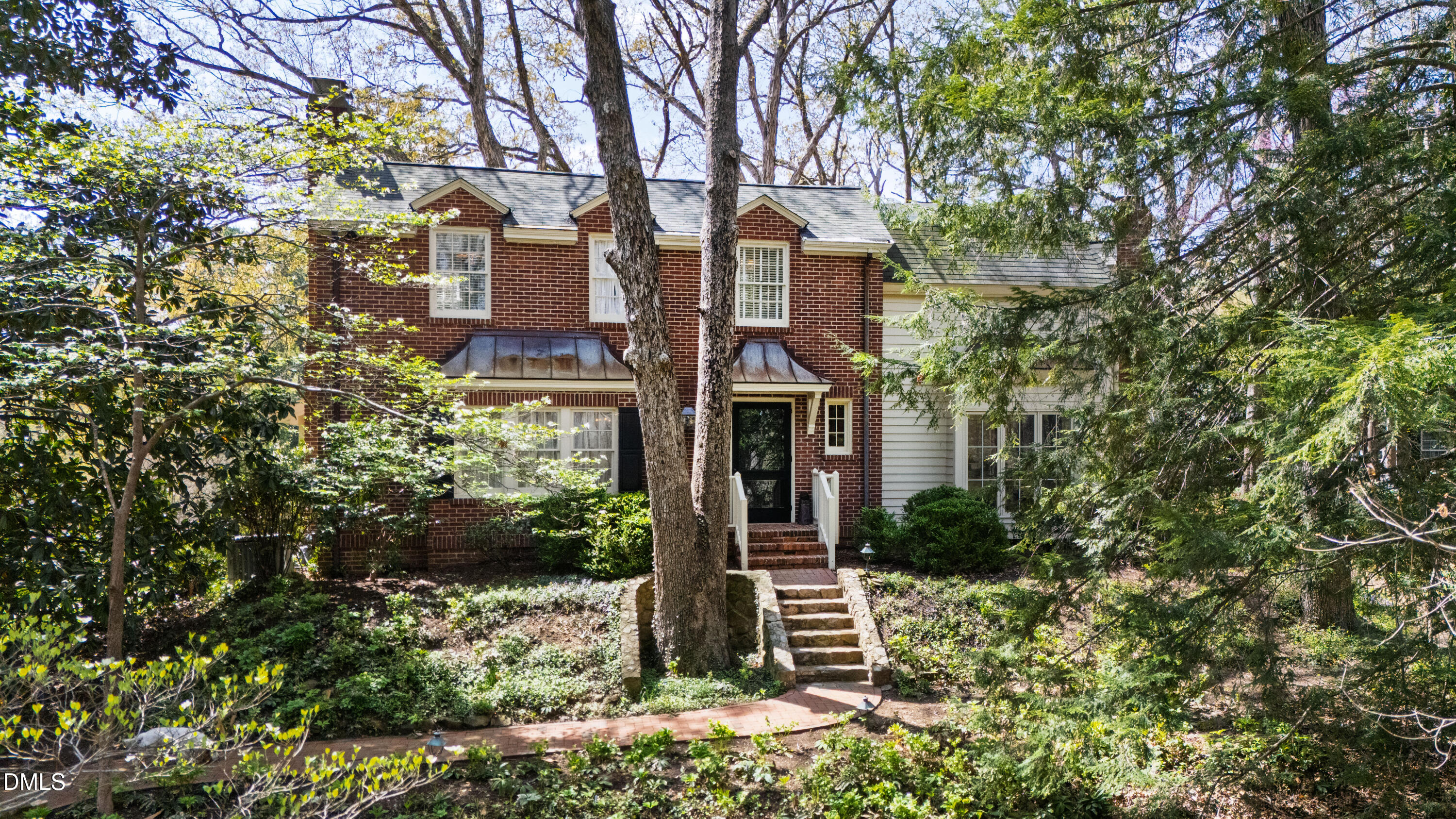
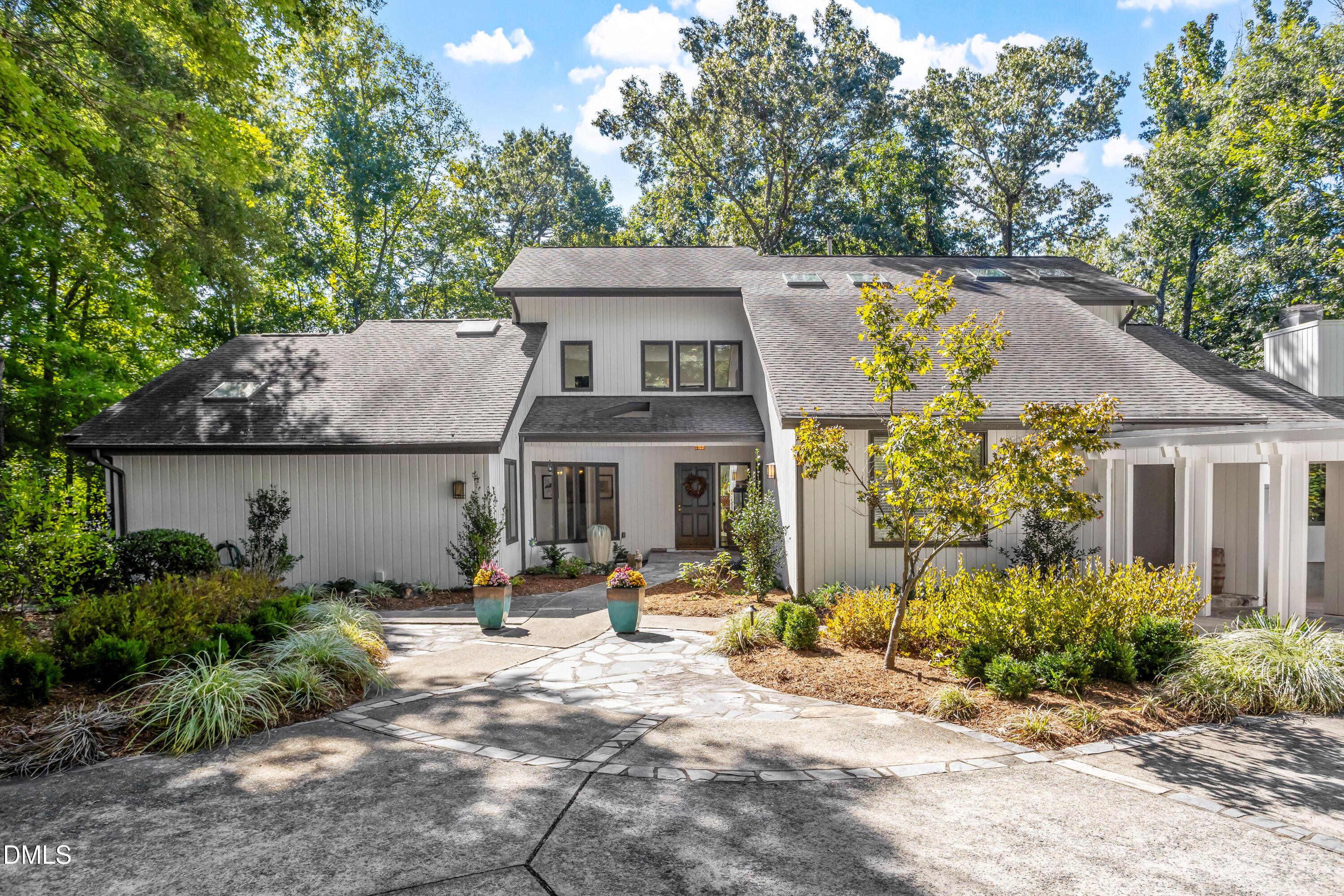
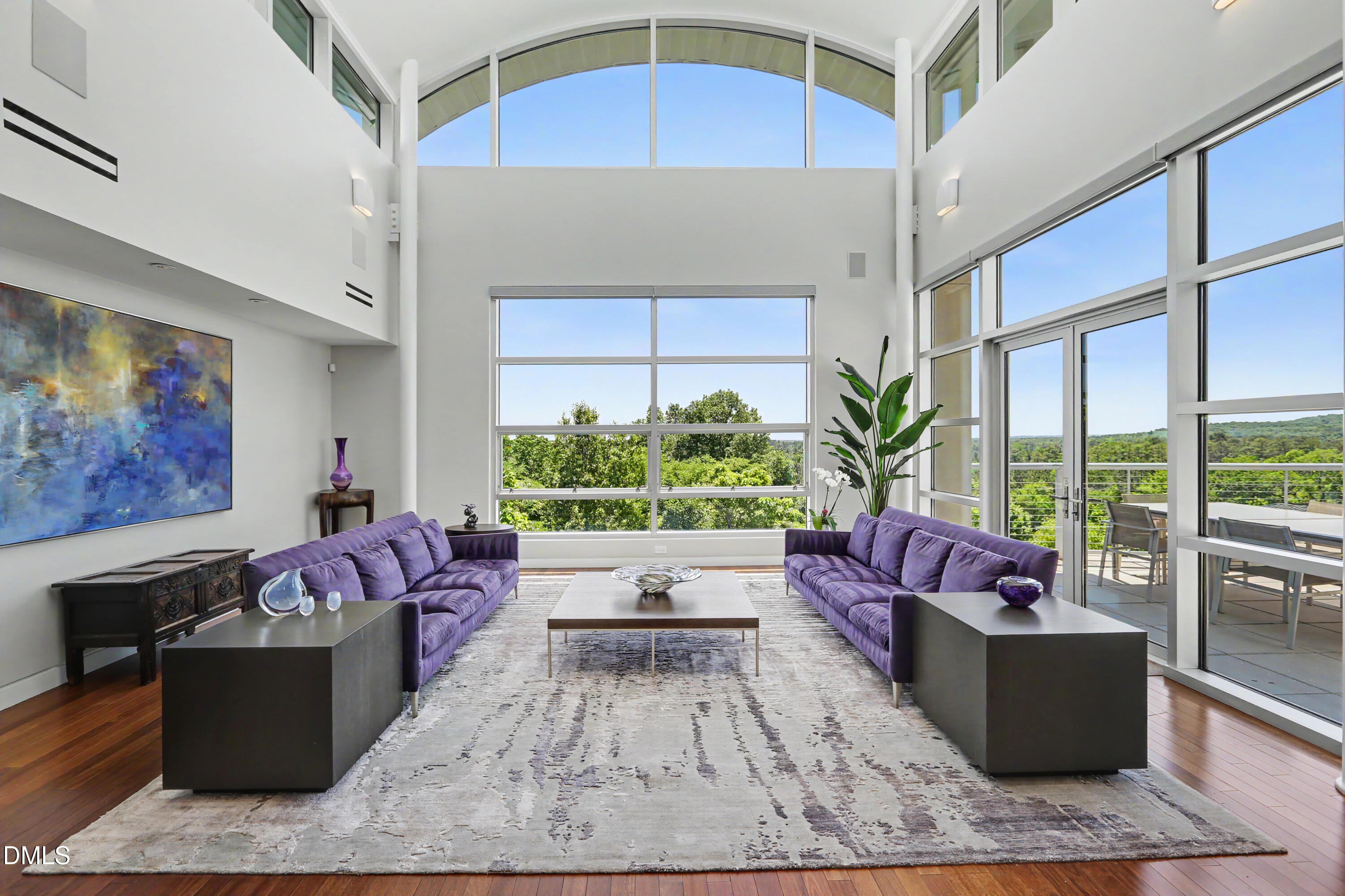
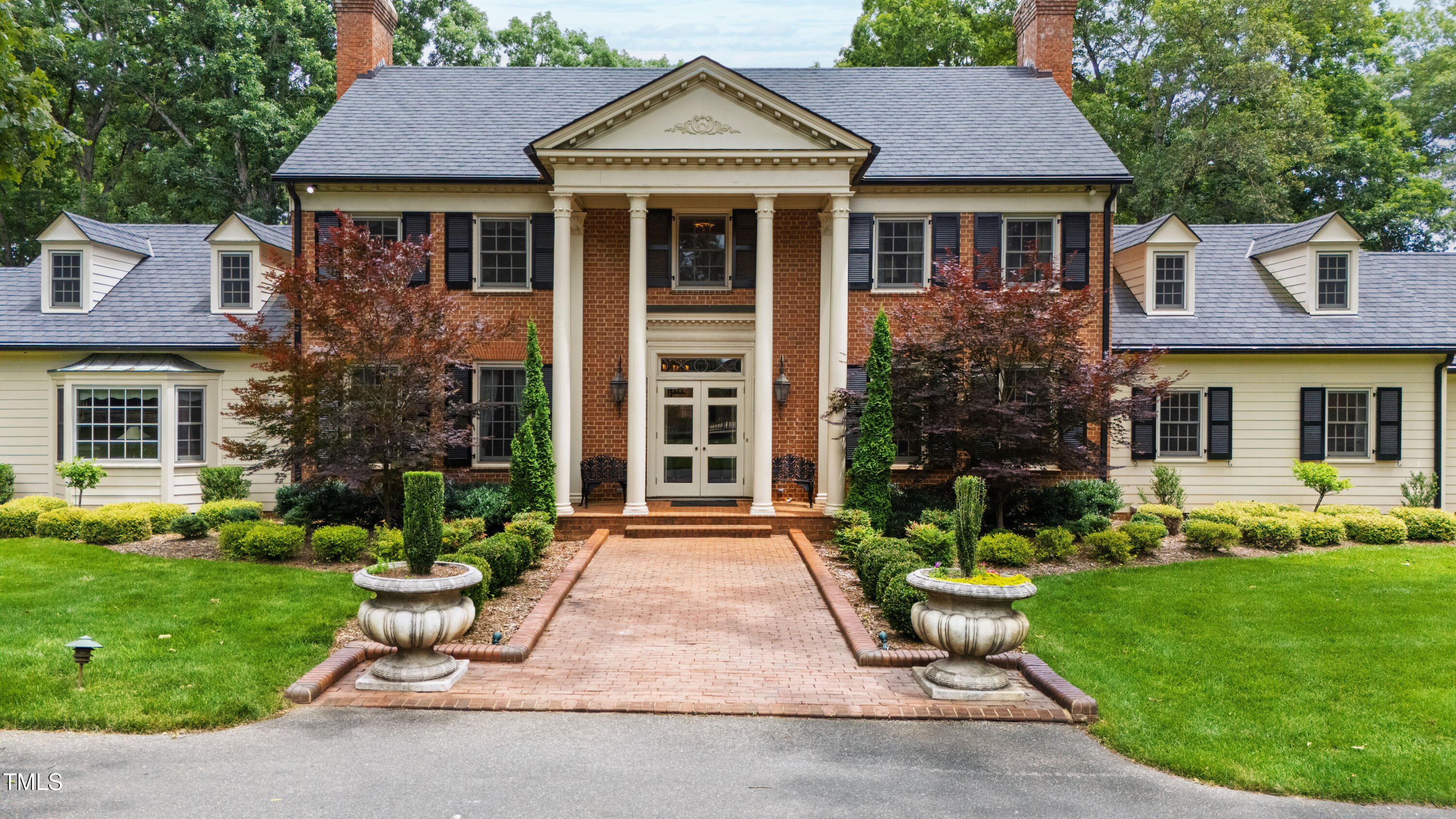
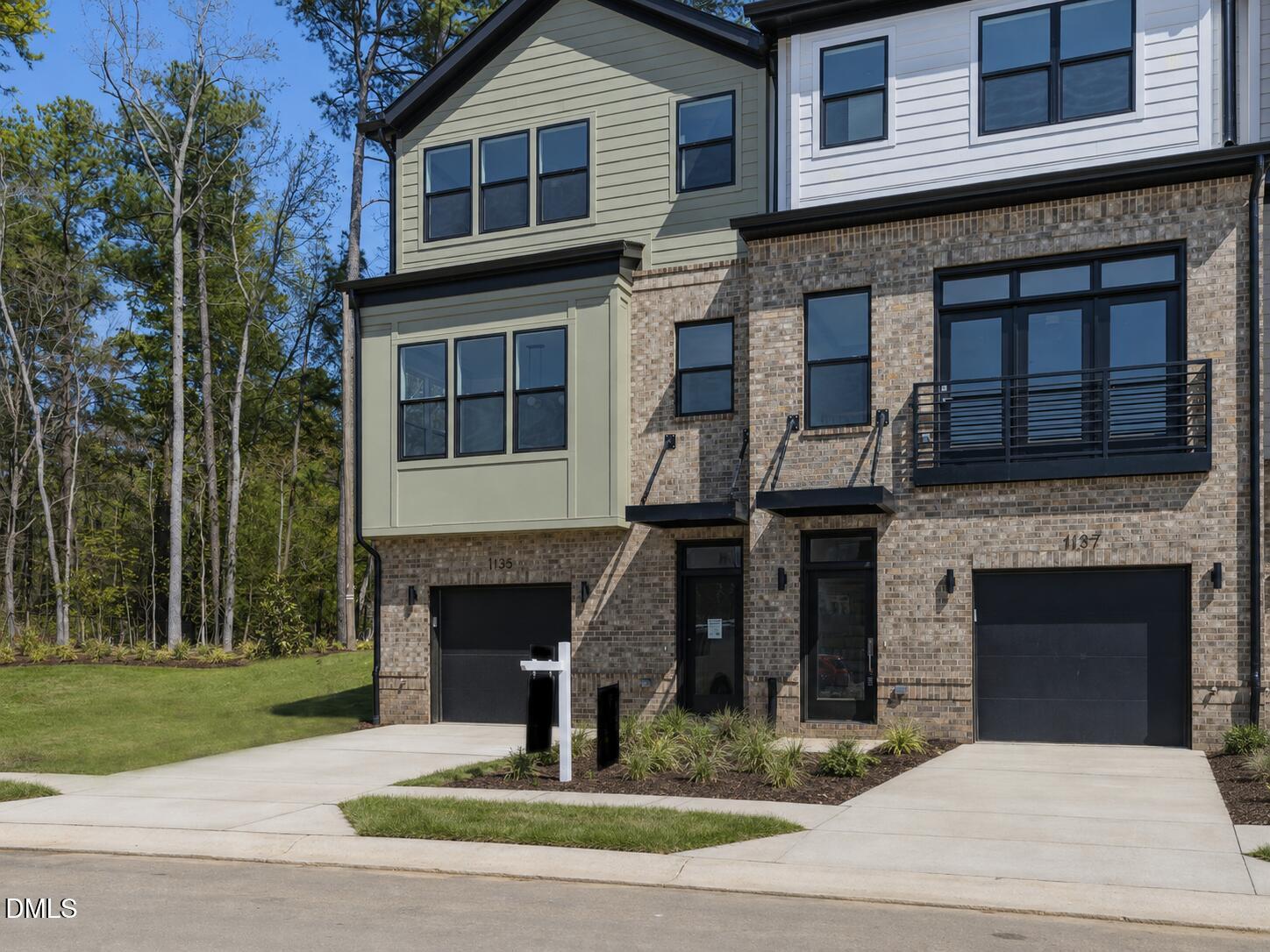
Mix of historic bungalows near campus, village-style condos/townhomes, and wooded single-family homes on larger lots. Premiums for walkability, school zones, and proximity to UNC Hospitals.
Transportation in Chapel Hill
Convenient driving via US-15-501/NC-54/I-40, a free town-wide Chapel Hill Transit bus system, and nearly 18 miles of greenways for biking. RDU Airport about 25–30 minutes from downtown.
Climate in Chapel Hill
Four seasons: mild winters, warm springs, hot humid summers, colorful falls. Outdoor-friendly much of the year with abundant tree cover and shade.
Amenities in Chapel Hill
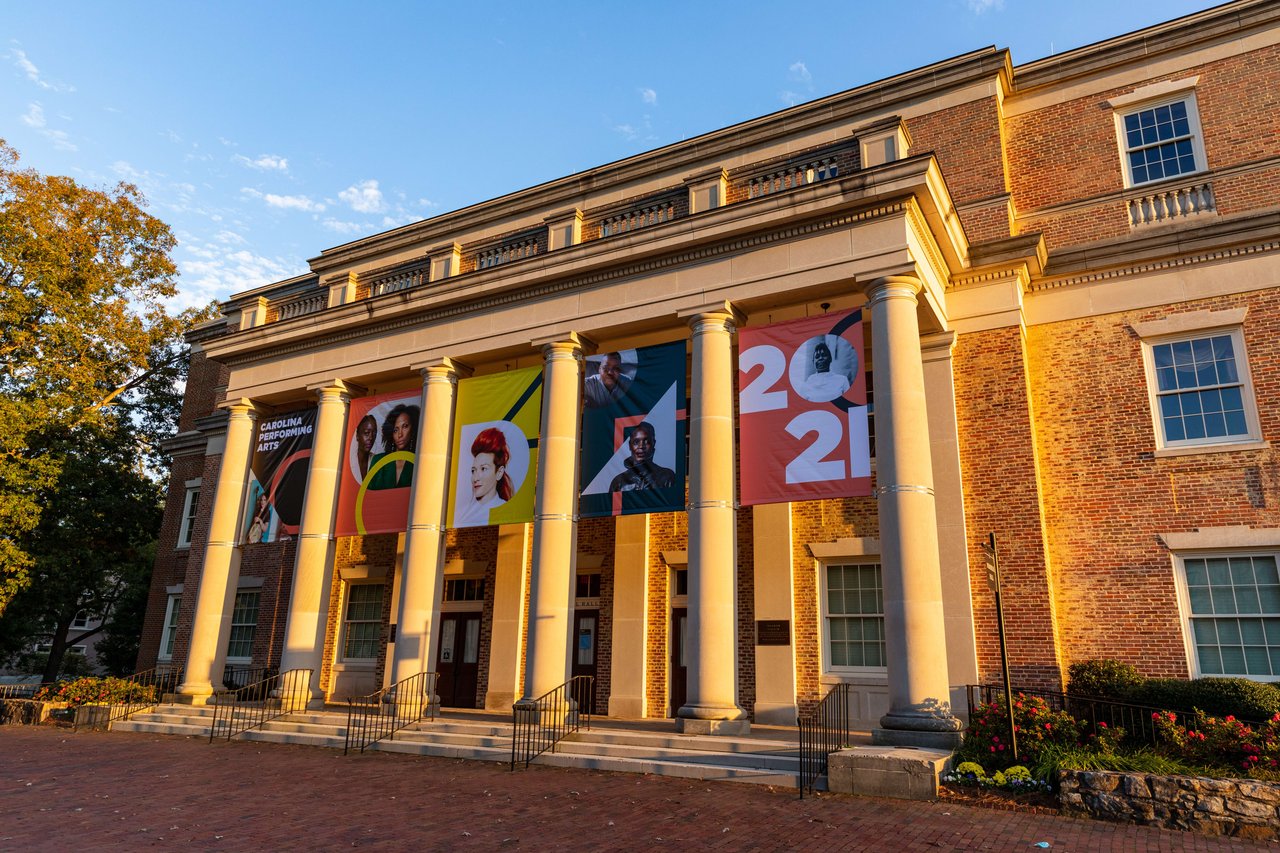
Everyday retail at Eastgate Shopping Center, Southern Village, and Meadowmont Village; museums, botanical gardens, sports venues, and performing arts across campus and town.
Demographics in Chapel Hill
Highly educated, youthful population skewed by UNC's student body, alongside long-time faculty, medical professionals, and families.
Pros in Chapel Hill
Top-ranked schools, walkable village centers, strong home-value retention, abundant greenways, and a nationally respected dining and cultural scene.
Cons in Chapel Hill
Very limited inventory and strict growth controls keep prices high; game-day traffic and student-rental turnover affect some in-town streets.
Outdoor Activities in Chapel Hill
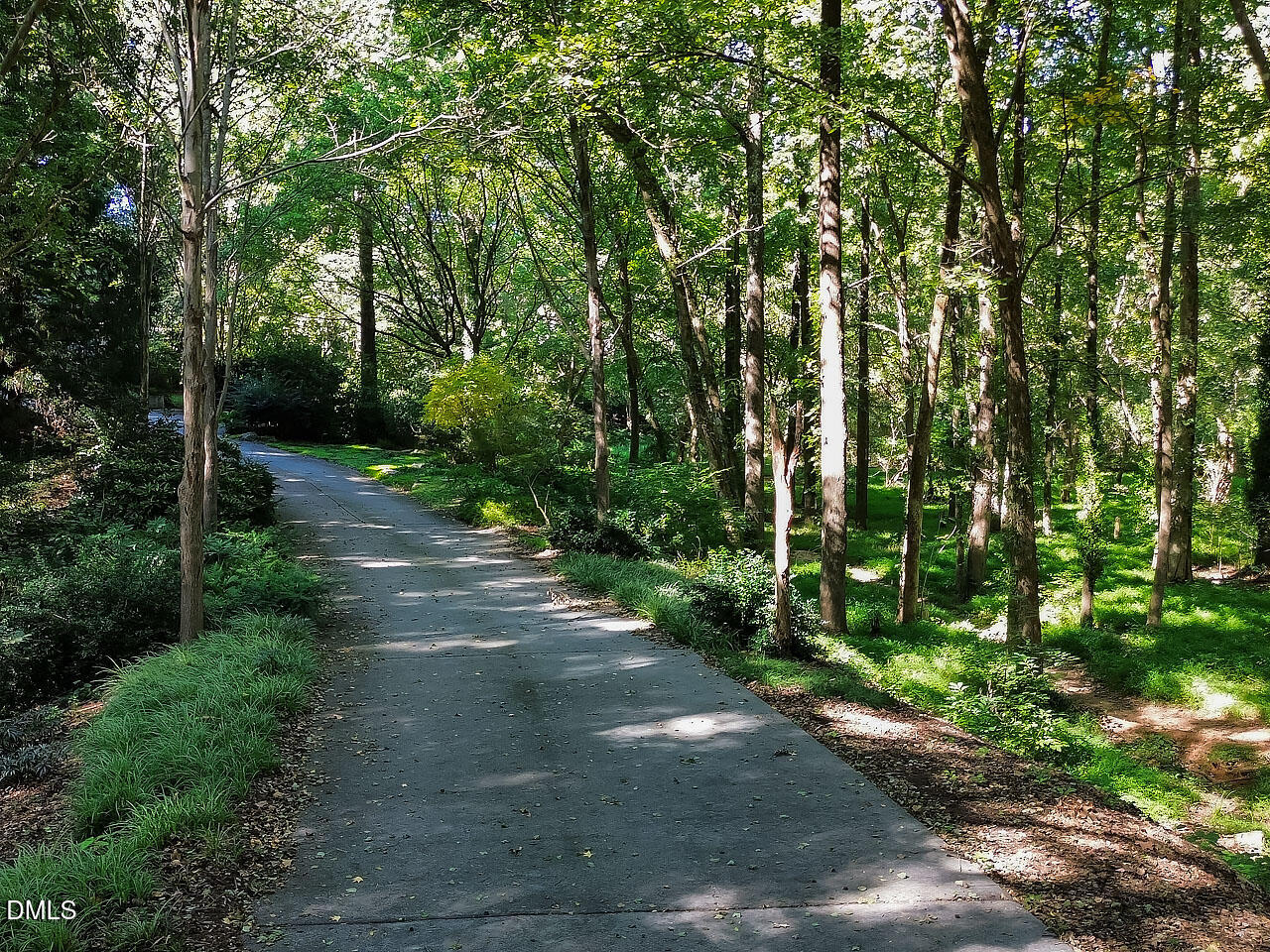
Walking and biking the town's greenway network, hiking Carolina North Forest, boating and fishing at Jordan Lake, and picnics at Umstead Park and Southern Community Park.
Chapel Hill's lifestyle brings together intellectual energy and Southern charm—walkable village centers, destination parks, and a flourishing food and arts culture—ideal for buyers seeking prestige, community, and long-term value retention.
Amenities in Chapel Hill, NC
Chapel Hill offers a full spectrum of amenities—from a nationally ranked academic medical center to everyday retail, fitness, and pet-friendly services. Use the cards below to explore the resources that make the "Southern Part of Heaven" both livable and convenient.
-
Hospitals & Clinics in Chapel Hill
Orange County • UNC CampusChapel Hill is home to an academic medical center and a network of specialty clinics serving the greater Triangle region.- UNC Hospitals (UNC Medical Center) — 101 Manning Dr
- UNC Health specialty and outpatient clinics — multiple campus locations
- Piedmont Health / Urgent care clinics — various locations citywide
-
Supermarkets & Shopping in Chapel Hill
Downtown • Southern Village • Meadowmont • EastgateA mix of national chains, local co-ops, and walkable village centers provide shopping options across town.- Harris Teeter — multiple locations
- Whole Foods, Aldi & Trader Joe's — Eastgate Shopping Center
- Weaver Street Market — local co-op grocery, Southern Village/Carrboro
- Southern Village Market Street — shops, dining, movie theater
- Meadowmont Village Center — shops, dining, fitness
-
Fitness & Recreation in Chapel Hill
Gyms • Greenways • ParksChapel Hill emphasizes outdoor and campus-adjacent recreation, with greenways, gyms, and university athletic facilities throughout town.- UNC Wellness Center — Meadowmont & Meadowlands
- YMCA of the Triangle — local branch
- Town Greenway System — nearly 18 miles of connected trails
- Umstead Park & Southern Community Park — playgrounds, courts, athletic fields
- Kenan Memorial Stadium & Dean E. Smith Center — UNC athletics
-
Pet Services in Chapel Hill
Veterinary • Grooming • Dog ParksChapel Hill is pet-friendly with veterinary clinics, dog daycares, and greenway access ideal for dog walking.- Local veterinary clinics — multiple Chapel Hill/Carrboro locations
- Banfield Pet Hospital — inside PetSmart, citywide
- Chapel Hill/Carrboro area dog parks and greenway trails
Schools & Preschools in Chapel Hill
Families in Chapel Hill benefit from the highly regarded Chapel Hill-Carrboro City Schools (CHCCS) district, which serves roughly 11,000–11,500 students across about 20 schools and consistently ranks in the top tier of North Carolina districts for academic proficiency. The district includes five high schools—East Chapel Hill High and Chapel Hill High are the standout performers—along with strong middle and elementary schools such as Smith Middle, Glenwood Elementary, and Morris Grove Elementary. Chapel Hill also has a strong early-learning network with Montessori and faith-based preschools.
Area schools emphasize academic rigor and AP/IB pathways, with UNC-Chapel Hill's presence enhancing enrichment, dual-enrollment, and cultural opportunities for local students.
School / Preschool | Type | Location | Highlights |
|---|---|---|---|
Glenwood Elementary School | Public (K–5) | Chapel Hill | Top-performing CHCCS elementary school; strong state assessment scores. |
Morris Grove Elementary School | Public (K–5) | Southern Chapel Hill | One of the district's highest-rated elementary schools; convenient to Southern Village. |
Rashkis Elementary School | Public (K–5) | Near Meadowmont | Popular neighborhood school serving the Meadowmont community; walkable via greenway. |
Smith Middle School | Public (6–8) | Chapel Hill | Ranked among the top middle schools in North Carolina, with very high state-assessment proficiency. |
East Chapel Hill High School | Public (9–12) | Weaver Dairy Rd, Chapel Hill | Consistently ranked among the top high schools in North Carolina, with high AP participation and graduation rates. |
Chapel Hill High School | Public (9–12) | Chapel Hill | Strong academic tradition; ranks alongside East Chapel Hill High as one of the district's two flagship high schools. |
Carrboro High School | Public (9–12) | Carrboro (CHCCS district) | Serves Southern Village and southern Chapel Hill/Carrboro; ranked among the state's top high schools. |
Frank Porter Graham Elementary / area charters | Public / Charter | Chapel Hill area | Represents the district's additional public and charter options; confirm current assignment via CHCCS. |
St. Thomas More Catholic School | Private (PreK–8) | Chapel Hill | Faith-based independent school with strong academics and community ties. |
Montessori Community School | Private Preschool–Elementary | Chapel Hill | Independent Montessori education with individualized, play-based early learning. |
- School District: Chapel Hill-Carrboro City Schools (CHCCS)—about 20 schools serving roughly 11,000–11,500 students.
- Notables: East Chapel Hill High and Chapel Hill High rank among North Carolina's top high schools; Smith Middle and several elementary schools rank in the state's top tier.
- Tip: Attendance assignments vary by address and the district periodically adjusts boundaries—always confirm current zoning and any magnet/charter options with CHCCS before purchasing.
Investment Potential in Chapel Hill, NC
As home to UNC-Chapel Hill and UNC Health, and a cornerstone of the Research Triangle, Chapel Hill offers investors strong fundamentals across long-term rental housing, buy-and-hold single-family homes, and student and medical-professional rentals. Consistent demand from students, faculty, and hospital staff—combined with severe land-supply constraints—drives durable price appreciation and rental demand.
Why Chapel Hill? A recession-resistant, university-and-healthcare-anchored economy, top-ranked schools, and decades of restrictive Orange County growth policy have kept supply tight and values well above the state average. New initiatives such as UNC's Carolina North campus expansion and modest zoning reforms are expected to add supply gradually over the next several years, but near-term inventory is likely to remain thin.
- Buy & Hold: 3–4BR homes near UNC Hospitals and top school zones offer reliable appreciation and durable rental demand.
- Rental Market: Student housing near UNC and hospital-staff rentals near UNC Hospitals lease quickly, often at premium rents.
- Value-Add/Flip: Older homes near campus and in historic districts present opportunities with modernized kitchens, baths, and energy upgrades—subject to Neighborhood Conservation District rules where applicable.
- Risk & Underwriting: Very limited inventory, high entry price point, and rising construction costs; verify zoning and any HOA/short-term-rental restrictions before purchasing.
Rental Snapshot (Typical Monthly Ranges)
2BR Apartment/Condo: ~$1,700–$2,100 • 3BR SFR: ~$2,300–$2,900 • 4BR SFR: ~$3,000–$3,800+
What Performs Well
- Updated kitchens, energy-efficient windows, and flexible home-office space.
- Walkable access to Franklin Street, UNC campus, greenways, or a village center.
- Well-maintained homes in top-rated CHCCS elementary zones.
Compliance Checklist
- Confirm any Neighborhood Conservation District or historic-district rules before renovating.
- Review HOA covenants for rental policies and fees (especially in Southern Village, Meadowmont, and similar planned communities).
- Budget for rising property taxes and insurance premiums, and verify current zoning for any rental use.
Whether holding a historic bungalow near campus, a village-style townhome, or a rental serving UNC Hospitals staff, Chapel Hill's constrained supply and university-anchored economy continue to make it one of the Triangle's most resilient and prestigious real estate markets.
Thinking About Moving to Chapel Hill?
Home to the University of North Carolina and known as the "Southern Part of Heaven," Chapel Hill offers a rare blend of college-town energy, top-tier schools, and walkable village living. You'll find distinct districts like Downtown/Franklin Street, Southern Village, Meadowmont, and the historic Franklin-Rosemary neighborhood—plus quick access to Carrboro, Durham, and Research Triangle Park.
Housing includes historic bungalows, village-center condos and townhomes, and wooded single-family homes. Premiums follow proximity to UNC, top school zones, and walkable village centers. Zoning, HOA rules, and Neighborhood Conservation District guidelines vary—always confirm before investing.
Daily life balances academics and outdoor living: nearly 18 miles of town greenways, natural spaces like Carolina North Forest and Jordan Lake, and a nationally recognized dining and arts scene along Franklin Street. Families benefit from Chapel Hill-Carrboro City Schools, UNC's cultural resources, and easy travel via Raleigh–Durham International Airport (RDU).
Frequently Asked Questions about Chapel Hill
How much does it cost to live in Chapel Hill?
- Condos/Townhomes: ~$350K–$650K (higher for new builds near Downtown, Southern Village, or Meadowmont)
- Single-family homes: ~$500K–$1M+ depending on neighborhood, size, and age
- Luxury/downtown estates: $1M+ in Franklin-Rosemary, Gimghoul, and other campus-adjacent historic districts
Is Chapel Hill a good place for investment properties?
Yes—UNC and UNC Health anchor steady, recession-resistant demand, and decades of restrictive growth policy have kept supply tight. Investors find opportunities in buy-and-hold single-family homes, student rentals near UNC, and hospital-staff rentals near UNC Hospitals. Short-term rentals may face HOA or zoning restrictions, so always confirm local rules before purchasing.
What is the rental market like?
- Apartments/Condos: ~$1,700–$2,100 for a 2BR unit
- Single-family rentals: ~$2,300–$3,800 for 3–4BR homes
- Student & hospital-staff housing: Consistently strong near UNC and UNC Hospitals
What types of properties are common?
A mix of historic bungalows and cottages near campus, village-style condos and townhomes in Southern Village and Meadowmont, and wooded single-family homes on larger lots toward the edges of town and in neighboring Carrboro.
What makes Chapel Hill unique compared to other Triangle cities?
Chapel Hill combines university-town energy with a highly educated population, top-ranked public schools, and a nationally recognized food and arts scene—all within a compact, walkable footprint shaped by decades of tree-preservation and growth-management policy.
How do people get around, and which airports serve the area?
Daily travel is primarily by car via US-15-501, NC-54, and I-40. Chapel Hill Transit offers fare-free bus service throughout town, and ride-share apps are widely used. The nearest airport is Raleigh–Durham International (RDU), about 25–30 minutes from downtown, with national and international service.
Which schools serve Chapel Hill?
Chapel Hill is served by Chapel Hill-Carrboro City Schools (CHCCS)—one of North Carolina's top-ranked districts—along with private options like St. Thomas More Catholic School and Montessori programs. The presence of UNC-Chapel Hill strengthens the local higher-education and enrichment landscape.
Chapel Hill blends academic prestige, walkability, and lifestyle—making it a top choice for faculty, medical professionals, families, and investors alike.